

Lighting > Auxiliary Stop Light
Pick your vehicle
Car's auxiliary brake light – why is it important and how to maintain it?
The auxiliary brake light, also known as the third brake light, is an important component of a car's safety. It helps ensure that braking is visible to other drivers, especially in heavy traffic conditions. The auxiliary brake light is usually located at the rear of the car in a higher position than the main brake lights, improving the visibility of braking and reducing the risk of accidents. In this article, we'll explain why an auxiliary brake light is necessary, how it works, and what to do if it doesn't work.
What is an additional brake light and why is it necessary?
An auxiliary brake light is an additional brake light that comes on when the driver presses the brake pedal. Its purpose is to improve the visibility of the car, in particular:
- in heavy traffic: a higher-positioned light is more easily visible from the taillights of cars ahead.
- in poor weather conditions: an additional brake light helps other drivers react faster, especially in fog, rain or snow.
- Collision prevention: Studies have shown that an additional brake light reduces the likelihood of rear-end collisions.
The auxiliary brake light became mandatory in many countries from 1986 and is now standard on all modern vehicles.
How does the auxiliary brake light work?
The auxiliary brake light is connected to the car's brake light system. When the brake pedal is pressed, an electrical signal is sent to all brake lights, including the auxiliary brake light. LED technology is often used in modern cars because it is energy-efficient, durable and provides bright light.
main components:
- Light source: usually LED or incandescent.
- Wiring harness and connectors: provide electrical connection to the brake light system.
- Housing: protects the light and electrical system from dust, moisture and damage.
common auxiliary brake light problems and solutions
1. auxiliary brake light does not come on
- Possible cause: burnt out bulb or LED module.
- Solution: Check and replace the light source if necessary.
2. flickering or inconsistent operation
- Possible cause: wiring or connector problems.
- Solution: Check the connections and wires for corrosion or loose connections.
3. light is always on
- Possible cause: brake sensor failure.
- Solution: Check the brake light switch and replace it if necessary.
auxiliary brake light maintenance
Regular maintenance ensures that the auxiliary brake light works smoothly and helps maintain a high level of car safety.
- Check regularly: make sure the auxiliary brake light comes on when braking.
- Clean the housing: dirt or dust can reduce the visibility of the light.
- Check the wiring: make sure the connectors and cables are intact and free of corrosion.
- Replace bulbs or LED modules as needed: use high-quality spare parts to ensure reliability.
replacement of auxiliary brake light
If the auxiliary brake light is damaged or does not work, it must be replaced. To replace:
- Find the right spare part: check the car's user manual for the appropriate model and type.
- Remove the old light: Follow the instructions related to removing the light housing.
- Install the new light: connect the electrical wires and securely attach the new auxiliary brake light.
If you are not sure how to do this, we recommend contacting a professional mechanic.
summary
The auxiliary brake light is an important safety feature on your car, helping to improve braking visibility and prevent accidents. Its proper operation ensures a safer driving experience for both the driver and other road users. Regular inspections, maintenance and, if necessary, prompt repairs help keep the auxiliary brake light working effectively. If your car's auxiliary brake light is not working, make repairs immediately to ensure safety on the road.

Why do wiper blades spoil quickly? Causes and effective solutions with deep cleaning
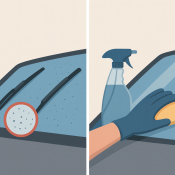 Rapid wear of wiper blades is a problem that can occur even on brand new cars. If new wiper blades start to streak, leave spots on the glass or start to skip after just a few weeks or months, the fault is usually not with the product itself. Most often, the cause is invisible dirt accumulated on the surface of the windshield or the wipers are working at the wrong angle.
Below is an overview of the main causes and solutions.
... More...
Rapid wear of wiper blades is a problem that can occur even on brand new cars. If new wiper blades start to streak, leave spots on the glass or start to skip after just a few weeks or months, the fault is usually not with the product itself. Most often, the cause is invisible dirt accumulated on the surface of the windshield or the wipers are working at the wrong angle.
Below is an overview of the main causes and solutions.
... More...
 The data shown here, especially the complete database of car spare parts, may not be copied. It is strictly prohibited to duplicate the data and database and distribute the same, and/or instruct third parties to engage in such activities, without prior consent from TecAlliance. Any use of content in a manner not expressly authorized constitutes copyright infringement and violators will be prosecuted.