

Lighting > Front Fog Light/Parts
Pick your vehicle
Car Fog Lights: What They Are, How They Work, and Why They Are Important
Car fog lights are one of the most important lighting components when it comes to ensuring the visibility of your vehicle in poor weather conditions such as fog, heavy rain, or snowstorms. Although fog lights may not be used every day, they are essential for safety when visibility is reduced. Unlike regular headlights that illuminate the road further ahead, fog lights are designed to light up the road closer to the vehicle, helping drivers see the road more clearly in challenging conditions.
In this article, we will explore what fog lights are, how they work, when to use them, and how to maintain them so they are always ready when you need them most.
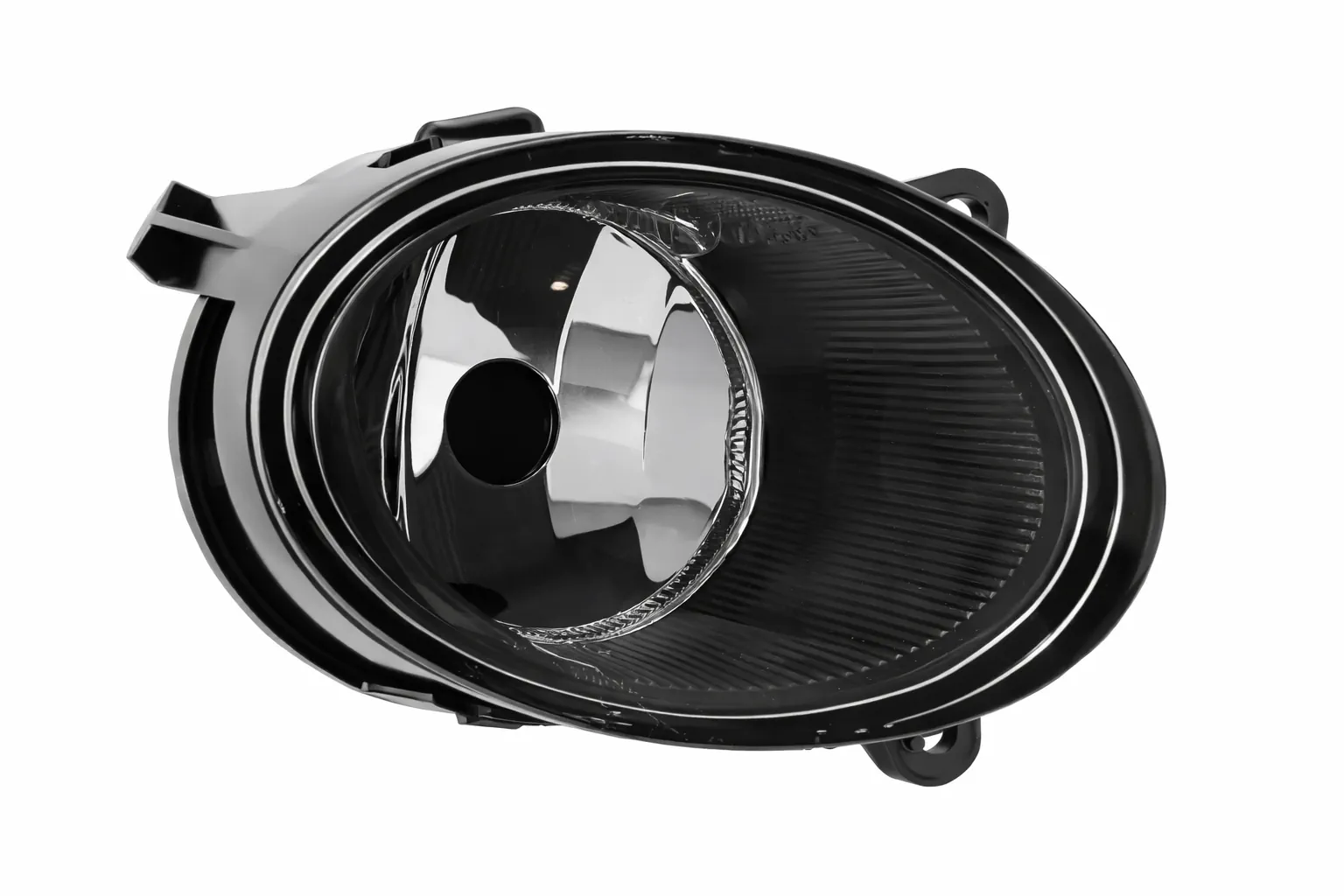
What Are Car Fog Lights?
Car fog lights are specialized lighting devices mounted on the front of a vehicle, designed to illuminate the road directly in front of the vehicle to improve visibility during challenging driving conditions such as fog, heavy rain, or snow. The main purpose of fog lights is to cast light at a lower height to avoid the light reflecting off fog or raindrops, which could cause glare and further reduce visibility.
Fog lights are typically different in design compared to regular headlights. They are wider and lower, aimed toward the ground to prevent the light from reflecting off the fog or rain. Fog lights are used in conjunction with regular headlights to provide additional visibility at a lower level.
How Do Car Fog Lights Work?
Car fog lights are built specifically to shine light close to the road surface in a way that reduces glare. During foggy or heavy rain conditions, regular headlights can cause the light to reflect off the droplets of water or fog, worsening visibility. Fog lights, being directed downward, help to avoid this effect, allowing for clearer visibility on the road.
Fog lights have the following features:
-
Wide Light Beam: Fog lights create a broad, low beam that illuminates the ground to allow the driver to better see the road, obstacles, and any other objects near the surface.
-
Low Mounting Position: Fog lights are typically installed on the lower part of the front bumper or the vehicle’s lower fascia to direct the light toward the ground where it won't reflect off the fog.
-
Special Bulbs and Lenses: Fog lights use specialized bulbs and lenses designed to produce bright, focused light at low temperatures and for challenging weather conditions.
When Should You Use Fog Lights?
Fog lights are not meant for everyday driving. They are designed for situations where visibility is severely limited. Here are some common situations where fog lights are especially useful:
-
Fog: Fog can dramatically reduce visibility, as water droplets in the air can scatter the light from regular headlights. Fog lights direct light at the ground, reducing reflection and providing clearer visibility.
-
Heavy Rain: During heavy rain or intense downpours, visibility is often impaired. Fog lights can help illuminate the road surface more effectively, enabling the driver to better see obstacles and the path ahead.
-
Snowstorms: In snowstorms, fog lights are crucial because they help reduce the glare caused by light reflecting off snowflakes and blowing snow. They provide a low, focused beam that helps improve visibility of the road and any potential hazards.
-
Night Driving in Poorly Lit Areas: When driving at night in areas without streetlights, fog lights can help illuminate the road better by providing additional light close to the ground, especially when streetlights are few or far between.
Important Note: Fog lights should not be used in clear weather or when visibility is good, as their improper use can blind or confuse other drivers on the road.
Differences Between Fog Lights and Regular Headlights
While both fog lights and regular headlights serve the same primary purpose – to illuminate the road ahead – there are key differences:
-
Placement and Direction of Light: Fog lights are mounted lower on the vehicle and aimed downward, while regular headlights are positioned higher and directed forward and upward.
-
Beam Pattern: Fog lights produce a wider, lower beam that illuminates the road surface, while headlights have a more concentrated, distant beam aimed at farther objects.
-
Usage Purpose: Fog lights are intended for use in poor weather conditions, such as fog, rain, or snowstorms, whereas regular headlights are used for everyday driving and to illuminate objects farther away.
How to Maintain Fog Lights?
Proper maintenance of fog lights is essential to ensure they function properly when visibility is low. Here are some tips for maintaining your fog lights:
-
Check the Bulbs: The bulbs in your fog lights are among the most frequently replaced components. Check regularly to ensure the bulbs are working, and replace them if they are burned out.
-
Clean the Lenses: Over time, the lenses of the fog lights can accumulate dirt, grime, or debris, which can reduce the light output. Regularly clean the lenses to ensure optimal illumination.
-
Inspect Wiring and Switches: If your fog lights are not working correctly, the issue may lie with the wiring, switches, or connections. Ensure all connections are intact and free of corrosion.
-
Avoid Overuse: Only use fog lights when visibility is significantly reduced. Using them improperly in clear weather can cause glare for other drivers, reducing overall road safety.
How to Prevent Damage to Fog Lights?
To extend the lifespan of your fog lights and prevent damage, follow these recommendations:
-
Proper Installation: Ensure that your fog lights are correctly installed and aimed in the proper direction. Improper installation can result in inadequate performance or even damage.
-
Regular Maintenance: Incorporate fog light inspections into your regular vehicle maintenance schedule. Look for signs of wear, damage, or dirt buildup, and address any issues promptly.
-
Use the Right Bulbs: Always use the manufacturer-recommended bulbs for your fog lights. Incorrect bulbs can lead to overheating or damage to the housing.
-
Check for Leaks: Ensure the fog light housings are sealed properly. Any water leaks into the housing could cause the lights to malfunction or corrode.
Conclusion
Car fog lights are an important safety feature designed to improve visibility during challenging weather conditions such as fog, heavy rain, and snowstorms. Their unique design helps to direct light low to the ground, reducing glare and improving the driver's ability to see the road clearly. Proper use and maintenance of fog lights can prevent accidents and make driving safer in low-visibility conditions. Regular inspections, cleaning, and timely bulb replacements are essential to keep fog lights functioning at their best. When used correctly, fog lights can significantly enhance road safety, ensuring that both the driver and others on the road have better visibility during adverse weather conditions.

Why do wiper blades spoil quickly? Causes and effective solutions with deep cleaning
 Rapid wear of wiper blades is a problem that can occur even on brand new cars. If new wiper blades start to streak, leave spots on the glass or start to skip after just a few weeks or months, the fault is usually not with the product itself. Most often, the cause is invisible dirt accumulated on the surface of the windshield or the wipers are working at the wrong angle.
Below is an overview of the main causes and solutions.
... More...
Rapid wear of wiper blades is a problem that can occur even on brand new cars. If new wiper blades start to streak, leave spots on the glass or start to skip after just a few weeks or months, the fault is usually not with the product itself. Most often, the cause is invisible dirt accumulated on the surface of the windshield or the wipers are working at the wrong angle.
Below is an overview of the main causes and solutions.
... More...
 The data shown here, especially the complete database of car spare parts, may not be copied. It is strictly prohibited to duplicate the data and database and distribute the same, and/or instruct third parties to engage in such activities, without prior consent from TecAlliance. Any use of content in a manner not expressly authorized constitutes copyright infringement and violators will be prosecuted.