What is a Car Alternator (serpentine ) Belt?
The car alternator belt, also known as the serpentine belt or ribbed belt, is a crucial component in the engine’s power transmission system. Its function is to transfer the engine’s torque to various auxiliary components, ensuring their smooth operation. The alternator belt is a critical part of the vehicle's electrical system as it powers the alternator, which in turn charges the battery and supplies electricity to the entire vehicle.
... More...
When you open the hood of your car, you're faced with a complex maze of hoses, wires, and belts. To many car owners, these black rubber bands are just "some belts," but in reality, they play a critical role in the operation of your engine.
Without these belts, your car wouldn't run, your battery wouldn't charge, and your steering wheel would be as heavy as a rock. In this article, we'll explain the difference between the main types of belts – timing belts and V-ribbed belts – and why replacing them on time is cheaper than repairing your engine.
There are several different belts under the hood, each with its own function.
1. Timing belt – the heart of the engine
The timing belt is arguably the most important belt in your car. It's hidden under the engine covers and you don't usually see it when you open the hood.
What is its function?
The timing belt synchronizes the operation of the engine's crankshaft and camshaft. Simply put, it ensures that the engine's valves open and close at exactly the right moment as the pistons move up and down. The inside of the belt has "teeth" that mesh with the gears to prevent slipping.
The "teeth" of the timing belt are critical to maintaining accurate engine timing.
What happens if the timing belt breaks?
... More...
V-belt vs. V-ribbed: what's the difference and why is it important for your car?
Introduction: The power plant under the hood that we often forget
When you turn the ignition key and the engine comes to life, a symphony of moving parts begins to play under the hood. Most car owners know that there is oil and fuel in the engine, but less often they pay attention to those black rubber "worms" that wind around various pulleys at the front of the engine. These are the accessory drive belts - critical components without which your car's modern conveniences and even basic functions would stop working in a matter of minutes.
The most common questions that car owners have when a mechanic mentions belt replacement are: "What belt do I need?" and "What's the difference between a V-belt and a V-belt?" Although they are often colloquially referred to as "fan belts" or "generator belts," technically they are two completely different designs that serve different eras and purposes in automotive history.
In this comprehensive guide, we'll break down the anatomy of a V-belt and a serpentine belt/poly-V belt, explain their differences, talk about typical problems in popular car models, and look at which manufacturers to trust.
... More...
The data shown here, especially the complete database of car spare parts, may not be copied. It is strictly prohibited to duplicate the data and database and distribute the same, and/or instruct third parties to engage in such activities, without prior consent from TecAlliance. Any use of content in a manner not expressly authorized constitutes copyright infringement and violators will be prosecuted.


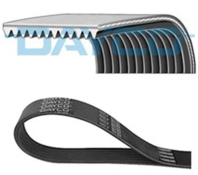 What is a Car Alternator (serpentine ) Belt?
The car alternator belt, also known as the serpentine belt or ribbed belt, is a crucial component in the engine’s power transmission system. Its function is to transfer the engine’s torque to various auxiliary components, ensuring their smooth operation. The alternator belt is a critical part of the vehicle's electrical system as it powers the alternator, which in turn charges the battery and supplies electricity to the entire vehicle.
... More...
What is a Car Alternator (serpentine ) Belt?
The car alternator belt, also known as the serpentine belt or ribbed belt, is a crucial component in the engine’s power transmission system. Its function is to transfer the engine’s torque to various auxiliary components, ensuring their smooth operation. The alternator belt is a critical part of the vehicle's electrical system as it powers the alternator, which in turn charges the battery and supplies electricity to the entire vehicle.
... More...
 When you open the hood of your car, you're faced with a complex maze of hoses, wires, and belts. To many car owners, these black rubber bands are just "some belts," but in reality, they play a critical role in the operation of your engine.
Without these belts, your car wouldn't run, your battery wouldn't charge, and your steering wheel would be as heavy as a rock. In this article, we'll explain the difference between the main types of belts – timing belts and V-ribbed belts – and why replacing them on time is cheaper than repairing your engine.
There are several different belts under the hood, each with its own function.
1. Timing belt – the heart of the engine
The timing belt is arguably the most important belt in your car. It's hidden under the engine covers and you don't usually see it when you open the hood.
What is its function?
The timing belt synchronizes the operation of the engine's crankshaft and camshaft. Simply put, it ensures that the engine's valves open and close at exactly the right moment as the pistons move up and down. The inside of the belt has "teeth" that mesh with the gears to prevent slipping.
The "teeth" of the timing belt are critical to maintaining accurate engine timing.
What happens if the timing belt breaks?
... More...
When you open the hood of your car, you're faced with a complex maze of hoses, wires, and belts. To many car owners, these black rubber bands are just "some belts," but in reality, they play a critical role in the operation of your engine.
Without these belts, your car wouldn't run, your battery wouldn't charge, and your steering wheel would be as heavy as a rock. In this article, we'll explain the difference between the main types of belts – timing belts and V-ribbed belts – and why replacing them on time is cheaper than repairing your engine.
There are several different belts under the hood, each with its own function.
1. Timing belt – the heart of the engine
The timing belt is arguably the most important belt in your car. It's hidden under the engine covers and you don't usually see it when you open the hood.
What is its function?
The timing belt synchronizes the operation of the engine's crankshaft and camshaft. Simply put, it ensures that the engine's valves open and close at exactly the right moment as the pistons move up and down. The inside of the belt has "teeth" that mesh with the gears to prevent slipping.
The "teeth" of the timing belt are critical to maintaining accurate engine timing.
What happens if the timing belt breaks?
... More...
 V-belt vs. V-ribbed: what's the difference and why is it important for your car?
Introduction: The power plant under the hood that we often forget
When you turn the ignition key and the engine comes to life, a symphony of moving parts begins to play under the hood. Most car owners know that there is oil and fuel in the engine, but less often they pay attention to those black rubber "worms" that wind around various pulleys at the front of the engine. These are the accessory drive belts - critical components without which your car's modern conveniences and even basic functions would stop working in a matter of minutes.
The most common questions that car owners have when a mechanic mentions belt replacement are: "What belt do I need?" and "What's the difference between a V-belt and a V-belt?" Although they are often colloquially referred to as "fan belts" or "generator belts," technically they are two completely different designs that serve different eras and purposes in automotive history.
In this comprehensive guide, we'll break down the anatomy of a V-belt and a serpentine belt/poly-V belt, explain their differences, talk about typical problems in popular car models, and look at which manufacturers to trust.
... More...
V-belt vs. V-ribbed: what's the difference and why is it important for your car?
Introduction: The power plant under the hood that we often forget
When you turn the ignition key and the engine comes to life, a symphony of moving parts begins to play under the hood. Most car owners know that there is oil and fuel in the engine, but less often they pay attention to those black rubber "worms" that wind around various pulleys at the front of the engine. These are the accessory drive belts - critical components without which your car's modern conveniences and even basic functions would stop working in a matter of minutes.
The most common questions that car owners have when a mechanic mentions belt replacement are: "What belt do I need?" and "What's the difference between a V-belt and a V-belt?" Although they are often colloquially referred to as "fan belts" or "generator belts," technically they are two completely different designs that serve different eras and purposes in automotive history.
In this comprehensive guide, we'll break down the anatomy of a V-belt and a serpentine belt/poly-V belt, explain their differences, talk about typical problems in popular car models, and look at which manufacturers to trust.
... More...
 The data shown here, especially the complete database of car spare parts, may not be copied. It is strictly prohibited to duplicate the data and database and distribute the same, and/or instruct third parties to engage in such activities, without prior consent from TecAlliance. Any use of content in a manner not expressly authorized constitutes copyright infringement and violators will be prosecuted.