

Window Cleaning > Steering Column Switch wipers / lighting / Relay
Pick your vehicle
Understanding Car Light and Wiper Switches: Essential Controls for Safety and Comfort
When driving a car, visibility is crucial for both the driver’s safety and that of other road users. To ensure proper visibility in various weather conditions and times of day, modern vehicles are equipped with a range of light and wiper systems. These systems are controlled through switches located on the steering column or dashboard. While these may seem like simple components, the switches for lights and wipers are key to maintaining safety, comfort, and legal compliance while driving.
This article will explain the purpose and functionality of light and wiper switches in cars, their various types, common issues, and maintenance tips.
What Are Car Light and Wiper Switches?
Car light and wiper switches are controls that enable the driver to operate essential visibility systems such as headlights, tail lights, windshield wipers, and washers. These switches are typically located on the steering column, or less commonly, on the dashboard, allowing the driver to activate and adjust the relevant systems without taking their hands off the steering wheel.
Light Switches: Illuminating the Path Ahead
Light switches control various lighting systems within the vehicle, ensuring visibility in low-light conditions, at night, and during inclement weather. These systems include headlights, tail lights, parking lights, turn signals, and hazard lights. Proper operation of these lights is essential not only for the driver’s visibility but also for signaling intentions to other road users.
-
Headlights: The primary function of headlights is to illuminate the road ahead during nighttime driving or in low-light conditions, such as rain or fog. Headlight switches allow the driver to turn on low beams (standard driving mode) or high beams (for greater visibility at long distances).
- Low Beams: These are used for regular driving at night, providing a wide and low light that doesn’t blind other drivers.
- High Beams: These are used to light up a broader, more distant area. High beams should only be used when no other vehicles are around, as they can blind other drivers.
-
Parking Lights: Parking lights are smaller lights that are typically used when a car is parked on the side of the road. These lights increase the vehicle’s visibility to prevent accidents, particularly in low-light environments.
-
Turn Signals: Also known as blinkers or indicators, turn signals are used to communicate the driver’s intentions to other road users. These lights flash on the left or right side of the vehicle to indicate when the driver is turning or changing lanes.
-
Hazard Lights: Activated by a separate switch, hazard lights cause all four turn signal lights to flash simultaneously. These lights are used to alert other drivers that the vehicle is stopped or moving slowly due to an emergency or mechanical issue.
-
Daytime Running Lights (DRLs): Many modern vehicles come equipped with daytime running lights, which are automatically activated when the engine is running. These lights are designed to increase the car’s visibility during the day.
Wiper and Washer Switches: Clearing the View
Windshield wipers and washers are essential for maintaining a clear view of the road, especially during adverse weather conditions such as rain, snow, or dirt. The wiper switch controls the wiper's speed and operation, while the washer switch activates a cleaning fluid spray to clear debris from the windshield.
-
Wiper Speed Control: Most wiper switches allow the driver to adjust the speed of the wipers based on the intensity of the rain or snow. The typical settings include:
- Intermittent Mode: The wipers move at a variable speed, depending on the weather conditions. This mode is useful in light rain or drizzle.
- Low Speed: The wipers move at a slow, constant speed for heavier rain.
- High Speed: This setting is used when there is intense rainfall or snow, ensuring that the wipers can clear the windshield effectively.
-
Washer Fluid: When the windshield is dirty, the driver can activate the washer fluid through the wiper switch. This releases a spray of cleaning fluid onto the windshield, which the wipers then sweep away. This helps to remove dirt, grime, and other obstructions to visibility.
-
Rear Wipers: In addition to front wipers, many cars are equipped with rear wipers, which function in the same way as the front wipers but are used to clear the rear windshield. The rear wiper switch is often integrated into the main wiper control stalk or may be located separately.
-
Washer Fluid Reservoir: The washer system relies on a fluid reservoir that needs to be checked and refilled regularly. If the washer fluid runs out, the system won't function properly, affecting visibility.
Common Types of Light and Wiper Switches
The layout and functionality of light and wiper switches vary between vehicles, but they generally adhere to certain designs to ensure ease of use. Below are the common types:
-
Stalk Controls: In most modern vehicles, light and wiper switches are integrated into a stalk (or lever) on the steering column. The driver can push, pull, or twist the stalk to operate the wipers or lights. These controls are convenient because they allow the driver to keep their hands on the wheel while adjusting visibility systems.
- Left Stalk: Typically controls the turn signals and headlights.
- Right Stalk: Often controls the windshield wipers and washer system, including rear wipers in some models.
-
Rotary Controls: Some vehicles use rotary knobs or dials, typically located on the dashboard, to control lights. These knobs can be rotated to turn headlights on or off, adjust brightness, or switch between different light modes.
-
Touchscreen Controls: In newer vehicles with advanced infotainment systems, the control of lights and wipers may be integrated into the touchscreen interface. This allows the driver to adjust these settings with a few taps on the display. However, this feature is typically secondary to physical controls for safety reasons.
Common Issues and Troubleshooting
Like any car component, light and wiper switches can experience issues over time. Common problems include:
-
Malfunctioning Lights: If one or more lights aren’t working, the issue could be a blown bulb, a faulty switch, or an electrical problem. Checking the fuses and replacing any damaged bulbs is a good starting point.
-
Wiper Speed Issues: If the wipers aren't functioning at the correct speed, the wiper motor or the switch could be faulty. In some cases, the wiper linkage may also be damaged or disconnected.
-
Washer Fluid Not Dispensing: If the washer fluid doesn’t spray onto the windshield, the issue could be a clogged nozzle, an empty fluid reservoir, or a malfunctioning pump.
-
Electrical Failures: Problems with the electrical connections or fuses controlling the light or wiper switches can cause them to stop working altogether. It’s important to check the vehicle’s electrical system or take it to a mechanic for a thorough inspection.
Maintenance Tips for Light and Wiper Switches
To keep your light and wiper systems in optimal working condition, follow these maintenance tips:
-
Check Bulbs Regularly: Inspect your car’s headlights, brake lights, and turn signals periodically to ensure they are functioning properly. Replace any bulbs that are dim or burnt out immediately.
-
Use Proper Washer Fluid: Always use the recommended washer fluid for your vehicle. This helps prevent damage to the windshield and wiper system.
-
Clean Wiper Blades: Wiper blades can accumulate dirt and grime, which can damage the windshield. Clean the blades regularly, and replace them if they leave streaks or make noise during operation.
-
Monitor Wiper Fluid Levels: Make sure the windshield washer fluid reservoir is filled regularly. Running out of washer fluid can severely affect visibility during adverse weather.
-
Inspect Electrical Connections: Periodically check for any electrical issues or blown fuses related to the lighting or wiper systems. A faulty fuse or wire can prevent the switches from working properly.
Conclusion
Car light and wiper switches are essential for maintaining safe driving conditions, especially in poor visibility or adverse weather. These simple yet important controls ensure that you can adjust your vehicle's lighting and clear your windshield with ease. By understanding their functionality, maintaining them properly, and addressing any issues promptly, you can ensure that your car remains reliable and safe to drive in all conditions.
Installing windshield wipers, various adapters
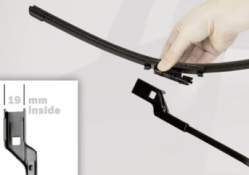 Universal wiper blades come with various adapters that allow you to install the wiper blade on your car. Often, buyers have trouble finding the right adapter, or simply don't know how to install the wiper blade on their car.
... More...
Universal wiper blades come with various adapters that allow you to install the wiper blade on your car. Often, buyers have trouble finding the right adapter, or simply don't know how to install the wiper blade on their car.
... More...

Why do wiper blades spoil quickly? Causes and effective solutions with deep cleaning
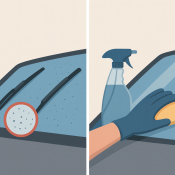 Rapid wear of wiper blades is a problem that can occur even on brand new cars. If new wiper blades start to streak, leave spots on the glass or start to skip after just a few weeks or months, the fault is usually not with the product itself. Most often, the cause is invisible dirt accumulated on the surface of the windshield or the wipers are working at the wrong angle.
Below is an overview of the main causes and solutions.
... More...
Rapid wear of wiper blades is a problem that can occur even on brand new cars. If new wiper blades start to streak, leave spots on the glass or start to skip after just a few weeks or months, the fault is usually not with the product itself. Most often, the cause is invisible dirt accumulated on the surface of the windshield or the wipers are working at the wrong angle.
Below is an overview of the main causes and solutions.
... More...
 The data shown here, especially the complete database of car spare parts, may not be copied. It is strictly prohibited to duplicate the data and database and distribute the same, and/or instruct third parties to engage in such activities, without prior consent from TecAlliance. Any use of content in a manner not expressly authorized constitutes copyright infringement and violators will be prosecuted.