

Lighting > Tail Light
Pick your vehicle
Car Taillights: A Key Element for Safety and Visibility
Car taillights are essential components of a vehicle's lighting system, serving as a critical safety feature for both the driver and other road users. These lights, located at the rear of the vehicle, provide important visual signals to indicate the presence, movement, and intentions of a vehicle, particularly in low-visibility conditions such as nighttime or inclement weather. In this article, we’ll explore the importance of taillights, how they work, common issues that may arise, and tips for maintenance.

What Are Car Taillights?
Car taillights are the lights mounted on the rear of a vehicle. They serve multiple purposes, including ensuring visibility and communicating the driver’s actions to other drivers. A typical taillight system consists of several different lights:
-
Tail Lights (Position Lights): These are the standard rear lights that are always on when the vehicle is running. They emit a dim red light, helping to make the car visible from behind, especially at night.
-
Brake Lights: These lights illuminate brightly when the driver applies the brakes. The bright red brake lights alert drivers behind the vehicle that it is slowing down or stopping, helping to prevent rear-end collisions.
-
Turn Signal Lights (Indicators): These lights flash in a specific direction (left or right) when the driver signals a turn or lane change. Turn signals are typically amber or orange in color and are essential for communicating the driver's intent to other road users.
-
Reverse Lights: These white lights are activated when the car is put in reverse gear. They illuminate the area behind the vehicle and signal to others that the vehicle is backing up.
-
Fog Lights: Some cars are equipped with rear fog lights that provide extra visibility during poor weather conditions such as fog, rain, or snow. These lights are bright and typically red or orange.
How Do Car Taillights Work?
Car taillights are powered by the vehicle's electrical system, with most modern cars using LED technology for improved energy efficiency and longer lifespan. Here's how they work:
-
Electric Current: When the ignition is on, electricity flows from the car's battery to the taillights. The taillights are connected to a circuit that controls different lights depending on the vehicle’s current action.
-
Lighting Types:
- Standard Taillights: The vehicle’s rear lights are dimly lit when the vehicle is in operation, creating enough visibility to let other drivers know the vehicle is present.
- Brake Lights: When the brake pedal is pressed, a switch activates the brake lights, causing them to glow brighter and alerting other drivers of the vehicle's slowing or stopping action.
- Turn Signal Lights: When the driver activates the turn signal, the turn signal lights blink in the direction of the intended turn, informing other drivers of the vehicle’s intended movement.
-
Reverse Lights: When the transmission is in reverse, a sensor or switch turns on the reverse lights to illuminate the area behind the vehicle, helping the driver to see and warning others that the car is backing up.
-
Fog Lights: These lights are typically controlled by a separate switch and are activated in conditions where visibility is poor. Rear fog lights are brighter and more focused, helping to enhance the car's visibility to others.
Why Are Car Taillights Important?
Taillights play a critical role in vehicle safety and visibility, making them essential for safe driving. Here are some reasons why taillights are so important:
-
Visibility in Low-Light Conditions: Taillights help make vehicles visible to other drivers, especially during nighttime or in adverse weather conditions like fog, rain, or snow. Without functional taillights, a vehicle could be difficult to see, increasing the risk of collisions.
-
Brake Signal: The brake lights serve as an essential warning system, alerting drivers behind you when you are slowing down or coming to a stop. This is crucial for preventing rear-end collisions, which can occur if the driver behind doesn’t notice the car is stopping.
-
Turn Indication: Turn signal lights are vital for communicating your intentions to other road users, reducing the likelihood of accidents caused by sudden lane changes or turns that other drivers weren't expecting.
-
Reverse Warning: Reverse lights help prevent accidents by alerting pedestrians and other vehicles when a car is backing up. This is particularly important in parking lots, driveways, or crowded areas.
-
Legal Requirements: Taillights are regulated by law in many countries to ensure that vehicles are visible and that drivers can communicate their actions clearly. Non-functioning taillights can lead to fines or other penalties, as they compromise road safety.
Common Issues with Car Taillights
While taillights are designed to last for many years, they can experience issues that affect their functionality. Some common problems include:
-
Burnt-Out Bulbs: The most frequent issue with taillights is burnt-out bulbs. Over time, the filament inside incandescent bulbs can break, causing the light to go out. Modern cars with LED taillights can also experience issues if the LED elements fail.
-
Damaged Wiring or Fuses: If the wiring that connects the taillights to the vehicle’s electrical system is damaged, it can cause the lights to malfunction. Similarly, a blown fuse can disrupt the power supply to the lights.
-
Corrosion: Exposure to moisture, dirt, and road salt can cause the taillight housing or wiring to corrode. This can lead to poor connections and cause the lights to malfunction.
-
Foggy or Cracked Lenses: Over time, the lenses of taillights can become foggy or cracked due to exposure to the elements. This can reduce the brightness of the lights and affect their visibility.
-
Electrical Problems: In some cases, electrical problems such as malfunctioning switches, short circuits, or problems with the car’s alternator can affect the taillights' performance.
Maintaining Car Taillights
To ensure that your car taillights remain in good working order, regular maintenance and inspections are essential. Here are some maintenance tips:
-
Check for Burnt-Out Bulbs: Regularly inspect your taillights to ensure all bulbs are working. Replace any burnt-out bulbs immediately to ensure your vehicle is fully visible.
-
Clean the Lenses: Over time, dirt, dust, and grime can accumulate on the taillight lenses, reducing their brightness. Clean the lenses with a soft cloth and appropriate cleaning solution to maintain optimal light output.
-
Inspect for Cracks and Damage: Check the taillight housings for cracks or damage. A cracked lens can allow moisture to enter, leading to electrical issues or foggy lights. If damaged, replace the taillight housing.
-
Test Functionality Regularly: Periodically test your brake lights, turn signals, and reverse lights to ensure they are functioning correctly. It’s always a good idea to ask someone to observe from behind while you activate the different lights.
-
Check the Electrical System: If you experience problems with your taillights, such as dim lighting or flickering, it may be an issue with the vehicle’s wiring or fuse box. Have the electrical system inspected by a professional mechanic to address any underlying issues.
Conclusion
Car taillights are a critical part of a vehicle's lighting system, ensuring safety and visibility for both the driver and others on the road. Whether they’re indicating the vehicle’s position, signaling turns, or alerting others to braking or reversing, taillights play an integral role in preventing accidents. Regular maintenance, timely repairs, and proper care will ensure that your taillights remain in optimal condition, enhancing your safety and the safety of others on the road. Always remember that functional taillights are not only vital for visibility but also legally required, making it essential to keep them in good working order.

Why do wiper blades spoil quickly? Causes and effective solutions with deep cleaning
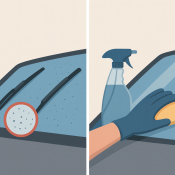 Rapid wear of wiper blades is a problem that can occur even on brand new cars. If new wiper blades start to streak, leave spots on the glass or start to skip after just a few weeks or months, the fault is usually not with the product itself. Most often, the cause is invisible dirt accumulated on the surface of the windshield or the wipers are working at the wrong angle.
Below is an overview of the main causes and solutions.
... More...
Rapid wear of wiper blades is a problem that can occur even on brand new cars. If new wiper blades start to streak, leave spots on the glass or start to skip after just a few weeks or months, the fault is usually not with the product itself. Most often, the cause is invisible dirt accumulated on the surface of the windshield or the wipers are working at the wrong angle.
Below is an overview of the main causes and solutions.
... More...
 The data shown here, especially the complete database of car spare parts, may not be copied. It is strictly prohibited to duplicate the data and database and distribute the same, and/or instruct third parties to engage in such activities, without prior consent from TecAlliance. Any use of content in a manner not expressly authorized constitutes copyright infringement and violators will be prosecuted.