

automatic transmission oil change at home in the garage - step-by-step guide
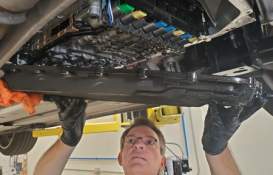
The automatic transmission is often considered one of the most complex and “untouchable” parts of a car. There is a common belief that changing the oil in an automatic transmission is only possible at a dealership or a specialized workshop. In reality, changing the oil in an automatic transmission in your home garage is completely possible if you do it calmly, correctly, and following the manufacturer’s instructions.
This article is a very comprehensive and step-by-step guide that will help you understand:
-
Why is automatic transmission oil so important?
-
when and why to change it
-
What are the different types of automatic transmissions?
-
How to safely do an oil change yourself at home
-
What mistakes should you definitely avoid?
The article is written in clear and understandable language and is also suitable for someone who has never done automatic transmission maintenance themselves before.
What is the role of automatic transmission oil?
Automatic transmission oil is not just a lubricant. It has significantly more functions than manual transmission oil.
automatic transmission oil:
-
transmits hydraulic pressure , which is used to change gears
-
lubricates gears, bearings and clutches
-
cools the internal components of the gearbox
-
cleans and carries dirt into the filter
-
allows smooth and shock-free gear shifting
if this oil loses its properties, the entire gearbox will start to malfunction.
Why does automatic transmission oil wear out?
It is often said that automatic transmission oil is “for life”. In practice, this usually means the life until the end of the warranty period , not the actual life of the car.
Causes of oil wear:
-
high operating temperature
-
wear of clutch packs
-
formation of metal particles
-
accumulation of moisture and dirt
-
degradation of additives
The longer the oil is left without being changed, the greater the internal wear of the gearbox.
When to change automatic transmission oil?
general recommended replacement intervals
-
usually every 40,000–80,000 km
-
even more tightly in difficult conditions
-
more often when towing a trailer or driving in the city
The most accurate information is always in the car manufacturer's service manual .
signs that automatic transmission oil needs changing
The automatic transmission gives early warning of problems:
-
Gear shifting is jerky.
-
gears shift with a delay
-
the car "floats" before going into gear
-
the gearbox works worse when the car is cold
-
there is a humming or vibrating sound
When such symptoms occur, an oil change is often the first and most sensible step.
automatic transmission types and differences
Before changing the oil, it is important to know what type of automatic transmission your car has.
classic automatic (at)
-
uses a torque converter
-
very sensitive to oil quality
-
mostly replaceable filter
dsg / dual clutch gearbox
-
works with clutch packs
-
requires a very specific type of oil
-
the wrong oil can cause serious damage
CVT gearbox
-
belt or chain and cones
-
special oil, not regular ATF
-
very sensitive to improper care
What automatic transmission oil should I use?
Automatic transmission oil should not be chosen based on assumptions .
it is important:
-
manufacturer's specification
-
gearbox type
-
oil grade and additives
The wrong oil can cause:
-
slipping
-
valve block failures
-
damage to clutch packs
-
complete gearbox failure
necessary tools and preparation
tools
-
jack and support legs
-
work gloves and safety glasses
-
matching keys
-
oil pan for old oil
-
new automatic transmission oil
-
new oil filter (if replaceable)
-
new gasket or gasket compound
-
funnel or filling pump
The car must be on a level surface and firmly supported .

step-by-step guide: automatic transmission oil change
1. warming up the car
Drive for 10-15 minutes to warm up the oil. Warm oil flows out better and carries more dirt with it.
2. car lifting and safety
Raise the car and always use jack stands.
The car must be horizontal , as the automatic transmission oil level is very sensitive.
3. Removing the lower protection
Many cars have engine protection or underbody protection that must be removed before starting work.
4. Draining old oil
unscrew the drain plug or remove the oil pan.
Let the oil drain completely and monitor its condition:
-
light reddish → better condition
-
dark or desert smell → change was essential

5. oil filter replacement
if the filter is accessible:
-
remove the old filter
-
clean the contact surface
-
install a new filter
This step is very important because the filter collects all the dirt.

6. cleaning the oil pan
Clean the oil pan thoroughly:
-
remove metal particles
-
clean magnets
-
use a new gasket
7. oil pan installation
Reinstall the bathtub with even pressure.
Excessive force may cause leaks or damage to the threads.
8. adding new oil
Add the amount of new oil specified by the manufacturer.
Some gearboxes require oil to be added:
-
with the engine running
-
at a certain temperature
-
by shifting gears in a specific order
This stage requires precision and patience .
9. oil level check
The correct oil level is critical:
-
too little → slipping and wear
-
too much → foaming and pressure problems
check according to the manufacturer's instructions.
10. test drive and follow-up inspection
Take a leisurely test drive:
-
track gear changes
-
listen to the sounds
-
check for leaks
After the ride, check under the car again.
common mistakes when changing automatic transmission oil
The following mistakes are often made at home:
-
using the wrong oil
-
incorrect oil level
-
filter skipping
-
recycling old gasket
-
the car is not horizontal
these errors can cause very expensive breakdowns.
partial or complete replacement of the automatic transmission?
At home, a partial oil change is usually performed, where 40–60% of the oil is changed.
Complete flushing requires special equipment and experience.
also partial exchange:
-
improves oil properties
-
reduces wear and tear
-
extends the life of the gearbox
How often should you check the automatic transmission oil?
even if the exchange is not yet here:
-
monitor the operation of the gearbox
-
check for leaks
-
listen for changes in gear shifting
Early response saves money and nerves.
summary
Changing the oil in an automatic transmission in your home garage is a job that requires calmness, precision, and following the manufacturer's instructions. The right oil, correct oil level, and a clean filter are the foundation for a long automatic transmission life.
When done carefully, the result is smoother gear changes, less wear and tear, and a more confident feel behind the wheel. Automatic transmission maintenance is not a place to rush – it’s a place to do everything right.
 The data shown here, especially the complete database of car spare parts, may not be copied. It is strictly prohibited to duplicate the data and database and distribute the same, and/or instruct third parties to engage in such activities, without prior consent from TecAlliance. Any use of content in a manner not expressly authorized constitutes copyright infringement and violators will be prosecuted.