

Flushing the car engine before changing the oil
 One of the most important aspects of engine maintenance is engine flushing. It keeps the engine running smoothly by removing harmful deposits from it. This, in turn, can extend the life of the engine and minimize the risk of expensive repairs. In addition, a clean engine works more efficiently, which leads to better fuel economy and a noticeable reduction in emissions. So, what is an engine flush? What are its advantages? How is this done? This short guide will answer these questions.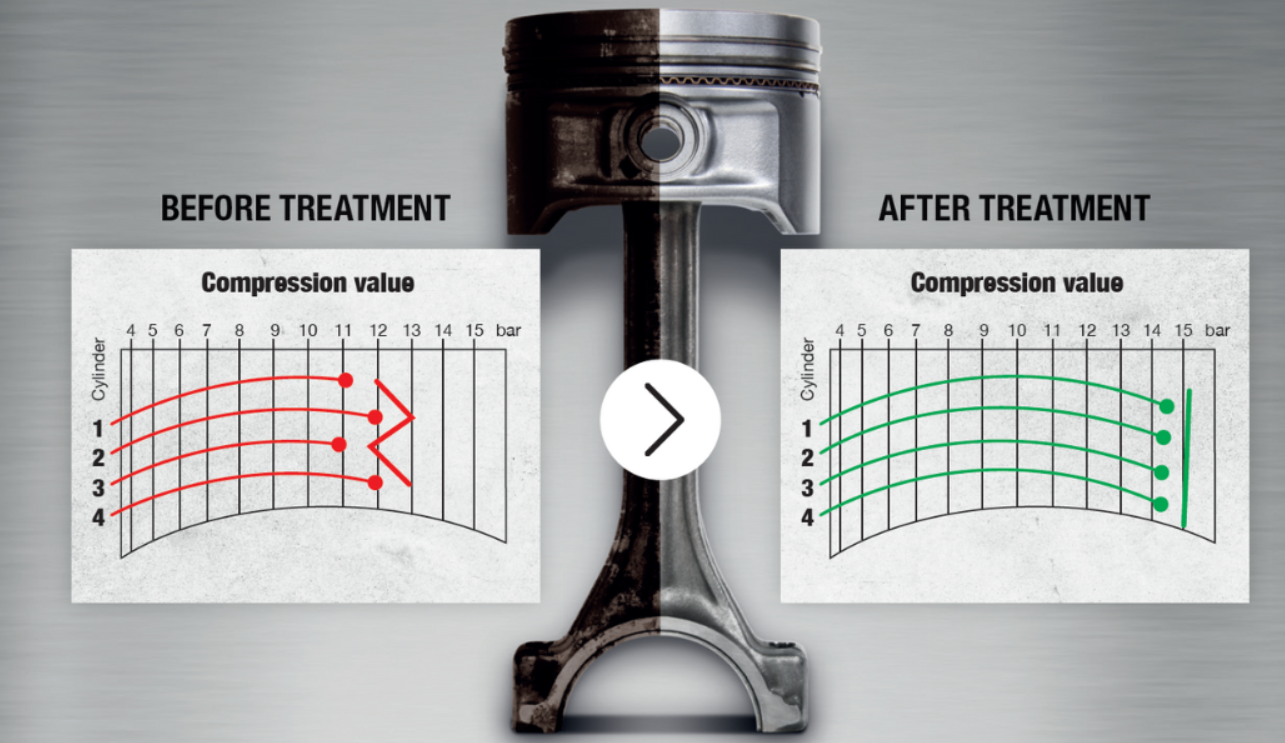
Over time, dirt, deposits and a number of other pollutants accumulate in the engine, which damage its efficiency and put additional stress on its parts. Ignoring these issues and the importance of engine cleaning and maintenance can lead to a number of performance issues, including reduced power, reduced fuel economy, and worse, costly engine failures.
One of the most important aspects of engine maintenance is engine flushing. It keeps the engine running smoothly by removing harmful deposits from it. This, in turn, can extend the life of the engine and minimize the risk of expensive repairs. In addition, a clean engine works more efficiently, which leads to better fuel economy and a noticeable reduction in emissions.
So, what is an engine flush? What are its advantages? How is this done? This short guide will answer these questions.
WHAT IS AN ENGINE FLUSH?
Engine flushing is the process of cleaning the inside of the engine. This involves removing the old oil along with deposits and dirt that have accumulated in the engine. This improves the operation and performance of the engine.The engine is usually flushed with a cleaning agent. This is added to the old engine oil and then the engine is allowed to run for a while to remove the deposits through the engine. For example, Valvoline Engine Oil System Cleaner is the ultimate cleaning product formulated with the highest quality ingredients. It removes pollutants and disperses sludge and soluble dirt in both diesel and gasoline engines. Some of its key features are low viscosity, exceptional cleaning properties and, above all, universal use. It promises optimal engine performance at every oil change.
The contaminated oil is then drained and the engine is refilled with fresh oil and a new oil filter is installed.
ENGINE FLUSHING PROCESS
Flushing the engine is a complex process that consists of the following stages:
1.Preparing the vehicle
First, make sure the vehicle is on a level surface. The engine should be cool. Next, find the engine oil drain plug and prepare a suitable container to store the old oil.Addition of oil system cleaner : Depending on the product, the cleaning solution can be added directly to the engine oil or inserted through the oil filler cap while the engine is running.

2.Circulating the oil system cleaner
Once the cleaning solution has been added, start the engine and let it run for up to 15 minutes. This allows the cleaner to flow throughout the engine and dissolve deposits.
3.Draining contaminated oil
After circulating the cleaning solution, turn off the engine and drain the old oil. Invest time and effort in properly disposing of used oil in accordance with local waste regulations.

4.Filling with fresh oil
After draining the old oil, refill the engine with fresh oil. Make sure you are using the correct type of oil as recommended by the manufacturer.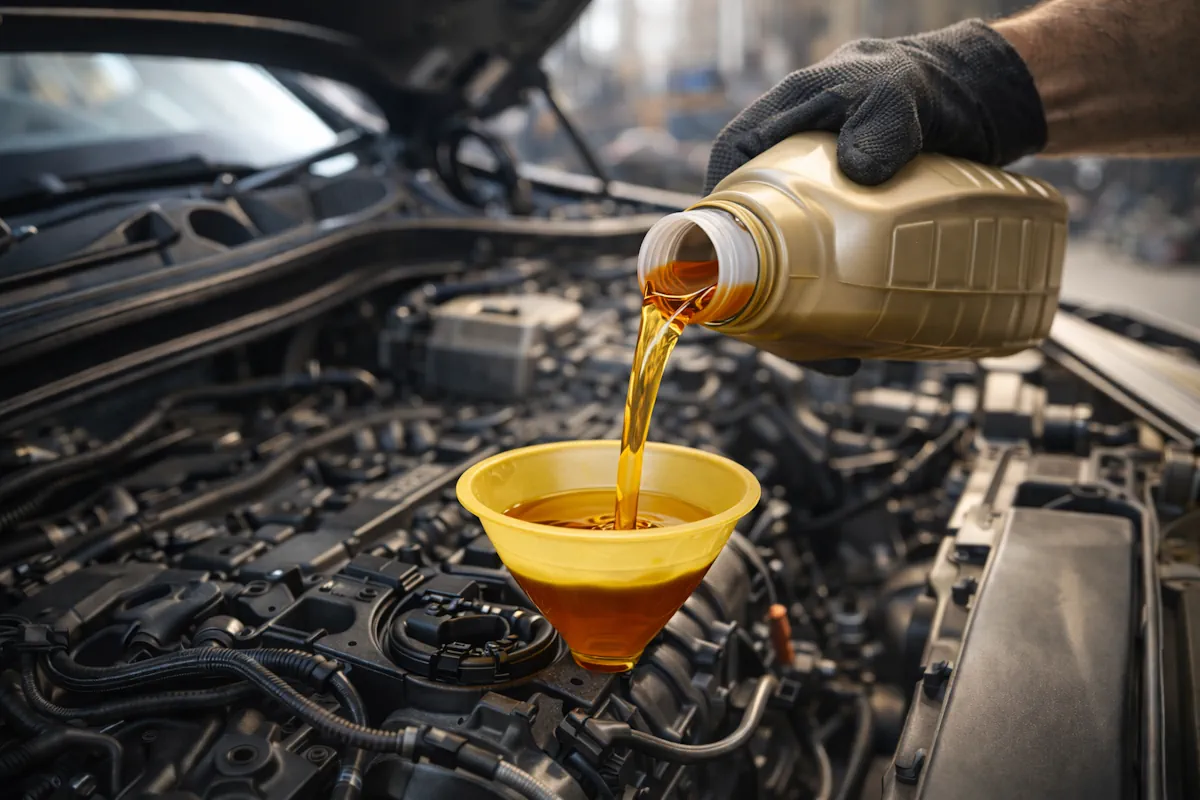
Checking for leaks : First start the engine and make sure the oil level is at the correct level. Next, let the engine run for a few minutes so that fresh oil circulates and there are no problems.
When flushing the engine, be sure to follow the manufacturer's recommendations. Start by choosing a reliable, high-performance oil system cleaner recommended for your engine type. If you are still not sure how to do this, consult a professional mechanic.
BENEFITS OF ENGINE FLUSHING
Engine flushing has several benefits and some of them are:
- Improved engine performance : Engine flushing removes accumulated contaminants in the engine and thus improves overall engine performance.
- Better fuel efficiency : A clean engine runs more efficiently and contributes to the vehicle's fuel efficiency.
- Extended engine life : Deposits and contaminants can cause engine components to wear. Consequently, it causes serious performance problems and even engine failure. Regular engine flushing allows you to remove these deposits, minimizing the risk of engine breakdown.
- Reduced emissions : A clean engine runs more efficiently, which reduces emissions. This is good for the environment and can also help vehicle owners meet emission standards.
- Extended engine oil life : By removing contaminants from the engine, you extend the life of the oil and reduce the need for frequent oil changes.
- Enhanced Engine Lubrication : When the engine is free of deposits, engine oil can flow freely, ensuring that all engine parts are properly lubricated.
You can buy a new oil filter for your car here.
Here you’ll find a wide selection of engine oils at great prices!

 The data shown here, especially the complete database of car spare parts, may not be copied. It is strictly prohibited to duplicate the data and database and distribute the same, and/or instruct third parties to engage in such activities, without prior consent from TecAlliance. Any use of content in a manner not expressly authorized constitutes copyright infringement and violators will be prosecuted.