

Primers – a comprehensive overview in car repair, construction and finishing
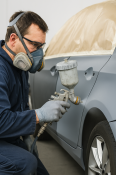
Primer is the most important layer of any paint job. A properly selected primer ensures:
with strong adhesion to the substrate
uniform final coating
rust protection and moisture resistance
better coverage and lower paint consumption
longer durability
Different primers are suitable for different substrates and should only be coated with compatible paint systems . The guide below lists all important primer types along with their areas of use, compatibility and substrate requirements.
Types of primers – detailed explanation
Below are detailed descriptions for each plot type on your list.
1. acrylic primer
Universal primer based on acrylic resin.
suitable for substrates:
✔ metal
✔ putty (acrylic, universal, fiberglass and fine putty)
✔ old paint surface
✔ plastic (with plastic primer)
✖ not suitable for bare aluminum or rust.
compatible topcoats:
acrylic paint
acrylic varnish (2k and 1k)
enamel paint
decorative paints
2. acrylic resin-based primer
version of acrylic primer, better adhesion and more elastic.
suitable for substrates:
✔ putty
✔ metal (primed or with at least primer protection)
✔ plastic (under the plastic frame)
✖ not suitable for rust or bare aluminum.
compatible topcoats:
acrylic paint
acrylic varnish
universal color
3. activator
not a primer for painting – used to increase adhesion to surfaces (fiberglass, plastic, polycarbonate).
suitable for substrates:
✔ plastic parts
✔ polycarbonate
✔ rubber parts
compatible topcoats:
plastic primers
paints and varnishes according to the detail
4. aluminum primer
special primer for non-ferrous metals.
suitable for substrates:
✔ aluminum
✔ zinc, galvanized surfaces
✔ light alloy metal
✖ not suitable for putty or iron.
compatible topcoats:
acrylic paint
industrial enamels
2k paint systems
5. epoxy primer
The most durable 2k primer with the best rust protection.
suitable for substrates:
✔ bare metal
✔ steel
✔ aluminum
✔ stainless steel
✔ fiberglass, composite
✔ putty
✔ sandblasted surface
compatible topcoats:
2k acrylic paint
acrylic primer + varnish
industrial paints
epoxy systems
✖ not recommended directly under 1k nitro paints (solvent risk).
6. Phthalate resin-based primer
traditional synthetic primer, good weather resistance.
suitable for substrates:
✔ metal
✔ wood
✔ old paint
✖ not suitable for modern 2k systems (risk of reaction).
compatible topcoats:
alkyd paint
enamel paint
synthetic dyes
7. etch primer
a phosphate primer that chemically corrodes metal.
suitable for substrates:
✔ bare metal
✔ aluminum
✔ zinc
✖ must not be put under putty!
✖ wood or plastic are not suitable.
compatible topcoats:
epoxy primer
backfill
acrylic paint system
8. insulator plot
prevents old paint from being painted over and improves adhesion.
suitable for substrates:
✔ old paint
✔ putty
✔ problematic surfaces (penetrating paint, nitro paint)
✖ not intended for bare metal.
compatible topcoats:
all 1k and 2k colors
enamel paints
9. control color
not a primer – used to control sanding.
suitable for substrates:
✔ primer
✔ backfill
✔ putty
compatible topcoats:
all colors (always sanded down).
10. corrosion protection primer
anti-rust protection for all types of metal.
suitable for substrates:
✔ steel
✔ stain
✔ machines, trailers
✖ not suitable for aluminum (requires aluminum primer).
compatible topcoats:
acrylic paint
enamel paint
2k colors
11. chalk primer
for filling porous surfaces of walls and ceilings.
suitable for substrates:
✔ plaster
✔ plaster
✔ concrete
✖ not suitable for metal or car surfaces.
compatible topcoats:
interior colors
decorative paints
12. primer
thick layer to fill small irregularities.
suitable for substrates:
✔ putty
✔ old paint
✔ light metal work
✖ not suitable for bare metal or plastic.
compatible topcoats:
backfill
acrylic paint
13. hardener
Hardener component for 2k primers, varnishes and paints.
14. plastic primer
adhesion promoter for plastic surfaces.
suitable for substrates:
✔ pp, abs, pe, pa, pvc
✔ bumpers, spoilers
✖ not suitable for metal.
compatible topcoats:
acrylic paint
car polish
enamel paint
15. polystyrene primer
a primer that protects polystyrene against solvent damage.
suitable for substrates:
✔ eps, xps
✔ decorative details
compatible topcoats:
water-based paints
solvent-free systems
16. timber plot
to balance absorbency and improve adhesion.
suitable for substrates:
✔ natural wood
✔ veneer
✔ MDF
✖ not suitable for metal.
compatible topcoats:
enamel paint
varnish
wood stain
17. jet plot
similar to acid primer – chemically activated.
suitable for substrates:
✔ bare metal
✔ aluminum
✔ zinc
✖ not suitable for putty, wood.
compatible topcoats:
epoxy primer
backfill
18. rust primer
chemically binds rust.
suitable for substrates:
✔ superficial rust
✔ cleaned metal
✖ not suitable for aluminum.
compatible topcoats:
enamel paint
acrylic paint
19. zinc primer
cathodic protection of metal – such as cold galvanizing.
suitable for substrates:
✔ steel
✔ welds
✔ trailers, frames
compatible topcoats:
epoxy primer
acrylic paint
enamel paint
20. backfill
the main sanding primer in the painting process.
suitable for substrates:
✔ putty
✔ old paint
✔ on top of epoxy primer
✖ not suitable for bare metal without an acid or epoxy primer.
compatible topcoats:
acrylic paint
car polish
2k color system
21. universal primer
Multipurpose – suitable for almost any surface.
suitable for substrates:
✔ metal
✔ wood
✔ putty
✔ plastic (under the plastic base)
compatible topcoats:
acrylic paint
emails
industrial paints
comparison table: primer types and their compatibility with substrates
| plot | metal | aluminum | rust | putty | plastic | wood |
|---|---|---|---|---|---|---|
| acrylic primer | ✔ | ✖ | ✖ | ✔ | ✔* | ✖ |
| epoxy primer | ✔ | ✔ | ✔ | ✔ | ✖ | ✖ |
| acid primer | ✔ | ✔ | ✖ | ✖ | ✖ | ✖ |
| plastic primer | ✖ | ✖ | ✖ | ✖ | ✔ | ✖ |
| rust primer | ✖ | ✖ | ✔ | ✖ | ✖ | ✖ |
| zinc primer | ✔ | ✖ | ✔ | ✖ | ✖ | ✖ |
| backfill | ✖ | ✖ | ✖ | ✔ | ✖ | ✖ |
| universal primer | ✔ | ✔ | ✖ | ✔ | ✔ | ✔ |
| timber plot | ✖ | ✖ | ✖ | ✖ | ✖ | ✔ |
* for plastic only with plastic primer
comparison table: which paint can be used to cover which primer
| plot | 1k color | 2k color | acrylic | epoxy | |
|---|---|---|---|---|---|
| acrylic primer | ✔ | ✔ | ✔ | ✔ | ✖ |
| epoxy primer | ✔ | ✔ | ✔ | ✔ | ✔ |
| acid primer | ✖ | ✔ | ✔ (via fill primer) | ✔ | ✔ |
| plastic primer | ✔ | ✔ | ✔ | ✔ | ✔ |
| rust primer | ✔ | ✔ | ✔ | ✔ | ✖ |
| zinc | ✔ | ✔ | ✔ | ✔ | ✔ (if allowed by the manufacturer) |
| backfill | ✔ | ✔ | ✔ | ✔ | ✖ |
 The data shown here, especially the complete database of car spare parts, may not be copied. It is strictly prohibited to duplicate the data and database and distribute the same, and/or instruct third parties to engage in such activities, without prior consent from TecAlliance. Any use of content in a manner not expressly authorized constitutes copyright infringement and violators will be prosecuted.