
Car primers and their use
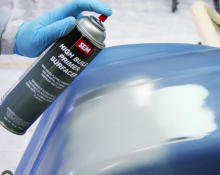
Primer (Primer in English). It is a base color that is an essential part of most painting processes, and this is no exception in the world of car paint. Whether you're painting your vehicle or just doing touch-ups, most professionals recommend sanding the surface and then applying a primer before proceeding with the final top coat.
What is primer?
In the automotive world, the term primer generally refers to a paint-like substance that is usually applied to freshly sanded metal before a top coat. Similar to paint, different types of car primer can be applied from an aerosol bottle, spray gun or brush and allowed to dry properly between coats. Although it may seem like an unnecessary step, the use of automotive primer when refinishing your car's body is important for several reasons.
Why use primer?
First of all, car primer helps paint adhere to bare metal. Without the use of a primer, a shiny metal surface, whether old or new, will not bond well with the topcoat. This causes peeling, flaking and eventually rusting. Car primer acts as a binder, which helps the paint adhere more strongly to the vehicle body.Importantly, car primer also helps prevent rust and moisture damage to your vehicle by adding an extra layer of protection.
The filler primer is also a filler for sanding marks and small scratches on your car's body, eliminating the need for caulking or longer-term repairs.
How to use primer?
If you're doing any type of bodywork, repair, or paint refresh, you'll need to use a primer at some point. This is especially true if you are painting your car at home and sanding down to bare metal or removing rust. Some auto body primers are available in "two-part" form, meaning that the primer and activator must be mixed before use. Just follow the instructions provided and modify as needed. Other primer fabrics are available as an aerosol ready for quick and easy application.If you have a primer, before priming any part of your vehicle, you need to make sure that you have completed a few preparatory steps first:
- Remove rust completely by hand or machine grinding.
- Fill any large dents, scratches, or dings on your vehicle with caulk.
- Sand any inconsistencies before priming and especially after filling or using putty.
How you apply the primer depends on the scope and size of your project. If you're just doing small touch-ups, hand-brushing or spray-on primer will definitely work. If you are going to paint the entire vehicle or repaint larger parts of the car, using a spray gun is your best bet. Always start with a clean spray gun and have solvent on hand to soak parts of the spray gun immediately after finishing to prevent build-up on the equipment.
Once you have applied the primer, the curing time will vary depending on the type of primer, so be sure to read the instructions for use. A primer that hasn't dried properly will result in a poor quality paint job, so be careful if you're not sure the primer is completely dry and allow extra time if necessary.
The number of layers of primer is also important. For large areas and works covering the entire car body, the rule is two coats. This allows for maximum coverage and rust prevention and provides the best base for paint adhesion. Use your best judgment for minor repairs. Only one good coat may be necessary.
Different types of car primers
The type of primer you end up using will depend on the needs of your project. With a good primer base, you can ensure a durable and high-quality car paint job and additional rust protection. Different types of automotive primers also tolerate sanding differently, and depending on your project, you may want to consider this.Epoxy primer or epoxy primer
Epoxy primer is considered a good standard base when it comes to ensuring adhesion of car paint to metal and provides a high-quality paint finish. It is specially formulated to prevent corrosion, however automotive epoxy primer does not sand as well as other automotive primers.
Universal primer
It is always a good choice when the underlying material cannot be identified beyond doubt or when moderate environmental factors prevail. If the best possible results are desired, or if difficult substrates such as zinc require a special primer, a suitable product should be used.
Primer putty or spray putty
Spray putty, as the name suggests, is a putty-based material that is ideal for larger surfaces where traditional putty application would be cumbersome. It has a high filling capacity that effectively smooths out dents, scratches and imperfections.
Filling plot
For example Motip 1K Product ID: 382539
Ideal corrosion protection and adhesion and filling properties. Suitable for all metal surfaces and common plastics used in the automotive industry. It dries quickly and, depending on the thickness of the layer, can be used both as a primer and as a filler.
Anti-rust primer
Primer for car anti-corrosion protection.
Acrylic primer
It is very popular for use with acrylic paints.
Aluminum primer
Special primer for aluminum parts
What color primer to choose?
Primers are available in different colors. Although light gray is the most common, darker colors can be helpful in blocking, as darker shades show the straightness of the vehicle's lines more clearly (ie black shows imperfections more easily than light colors). In addition, the primer can affect the final color of the applied paint. Similar to the problems that arise when painting a room where a lighter color is applied to a dark base color and vice versa, more coats of top color may be needed to achieve the desired shade.When to use primer and when not to
Whenever you are dealing with bare metal, old or new, you need to use a primer before covering the area with automotive paint. If you're doing minor bodywork and need to sand or sand away the stain, it's important to protect the area and make sure the paint bonds to the surface to prevent further damage from rust or peeling.The only time you don't need to use a primer is if you don't remove the top layers of the metal surface before painting. If you just polish the top coat, you can skip the primer. This also applies to all plastic parts. If you are not removing the paint down to the substrate (metal or other material), no primer is necessary.
So... What primer should I use?
If you need the best all-around primer that offers some corrosion protection and allows for maximum paint adhesion, these are some of your best bets: Epoxy PrimerDeciding which type of car primer to use doesn't have to be overwhelming or confusing. Start by determining which needs are most important when it comes to repairing or repainting your vehicle – do you need additional rust protection? Is strong paint adhesion a priority?
 The data shown here, especially the complete database of car spare parts, may not be copied. It is strictly prohibited to duplicate the data and database and distribute the same, and/or instruct third parties to engage in such activities, without prior consent from TecAlliance. Any use of content in a manner not expressly authorized constitutes copyright infringement and violators will be prosecuted.