

Car radiator – what is it and why does the engine need it?
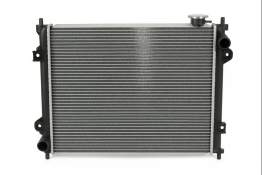 A car radiator is the heart of the engine's cooling system .
When the engine is running, it gets very hot. The radiator helps to safely dissipate heat so that the engine does not overheat.
simply put:
The radiator is the car's "cooling cabinet" that keeps the engine at the right temperature. 
How does a car radiator work?
the engine heats the coolant (antifreeze).
hot liquid moves through the radiator.
The thin tubes and fins of the radiator cool the liquid - this is helped by:
front air flow of the car,
radiator fan.
The cooled liquid moves back into the engine and the cycle repeats.
this way the engine runs at a comfortable temperature at all times.
What happens if the radiator doesn't work?
If a radiator becomes clogged, leaks, or is broken, the following things can happen:
the engine overheats ,
the engine loses power,
no warm air comes into the cabin,
the car is leaking coolant,
The temperature warning light comes on in the instrument panel.
An engine that is too hot can damage the cylinder head, gaskets, and even the entire engine – so the health of the radiator is very important.
main radiator problems
most common mistakes:
leaks (stones, rust, age),
blockages in pipes,
broken fan switch ,
broken thermostat (does not allow coolant to move),
damaged radiator cap valve (does not hold pressure).
How to maintain a radiator?
very simple steps:
Check the coolant level regularly.
always use the correct antifreeze .
Do not mix different liquids.
Change the coolant at the manufacturer's recommended intervals.
keep the front of the radiator clean (insects, leaves, dirt).
all this helps the radiator last a long time.
When does the radiator need to be replaced?
usually when:
the radiator is leaking,
the radiator is heavily clogged,
the radiator is physically bent or broken,
the car constantly overheats, even though other parts are fine.
The radiator is not an expensive part, but its operation is vital to the engine.
short summary
The radiator keeps the engine at the right temperature.
it runs hot coolant through thin tubes and cools it down.
Overheating can seriously damage the engine.
Regular maintenance and the right coolant will extend the life.
A faulty radiator should be replaced quickly.
Typical faults and problems of the car engine radiator: why does the car overheat?
A car's cooling system is as critical to keeping a vehicle alive as blood circulation is to a person. The central component of this system is the radiator , which is responsible for dissipating the enormous heat generated by the engine's operation. Unfortunately, the radiator is often one of those parts that car owners only pay attention to when steam rises from under the hood or the temperature gauge has entered the red zone.
Today's cars are built to be efficient, but the choice of materials (a combination of plastic and aluminum) makes radiators susceptible to leaks and cracks over time. In this article, we take an in-depth look at common radiator faults in different car brands and which manufacturers are worth replacing.
How do you know if the radiator is broken?
Before moving on to model-specific errors, it is important to recognize the general warning signs:
- Sweet smell around the car: Coolant (antifreeze) has a specific sweet smell. If you smell it in the nose of the car after driving, this is the first sign of a leak.
- Puddles under the car: Green, red or yellow fluid under the front of the car is a clear indication of a leaking system.
- Engine overheating: This is the most dangerous symptom. If the coolant level has dropped or the radiator fins are clogged, the system is unable to cool the engine.
typical radiator faults by car model
Although the operating principle of a radiator is universal, different car manufacturers have developed specific weaknesses.
BMW (E46, E39, E60, E90 series)
BMW owners encounter cooling system problems more often than many others. The Bavarian automaker uses a lot of plastic in its cooling system, which becomes brittle over time and heat.
main fault: cracking of the plastic side trays of the radiator. bmw radiators have an aluminium core with plastic ends pressed onto it. years of heating and cooling cycles make the plastic brittle and it cracks at the joints. the expansion tank on the side of the radiator, which is integrated into the radiator housing on many models, also often breaks.
Mercedes-Benz (W211, W203 and models with automatic transmission)
Mercedes has historically had a very specific and costly radiator-related problem with automatic transmissions.
Main fault: on many models the automatic transmission radiator is integrated into the engine radiator. radiators of certain years (especially Valeo production) developed an internal leak where the coolant mixed with the transmission oil. This mixture is fatal to the transmission friction discs, often leading to the need to replace the entire transmission, not just the radiator.
volkswagen and audi (vag group)
On VAG Group cars, problems are often related to the connections rather than the radiator core itself, although the latter also occurs.
The main fault: radiator corners and quick connectors. Volkswagens and Audis use plastic quick connectors to attach hoses, the seals of which become fatigued. In addition, the lower corners of radiators tend to rust through ("rot") due to the accumulation of salt and moisture, especially in northern conditions, where chemicals are sprayed on the roads in abundance.
Japanese cars (Toyota, Honda, Mazda)
Japanese cars are known for their reliability and their radiators (often made by Denso) last a long time. However, they don't last forever.
Main fault: cracking of the upper part of the radiator. Most Japanese cars have the upper part of the radiator made of plastic. Since the hot coolant enters the radiator from the top, this part receives the greatest thermal load. On older Toyotas and Hondas, a hairline crack often develops in the upper plastic radiator that only opens under pressure (with a hot engine), making it difficult to detect a leak with a cold engine.
Opel and Ford
A common problem with these brands is corrosion and leaks in the thermostat housing, which can give the impression of a radiator fault.
Main fault: fin separation and corrosion. In original Ford and Opel radiators, the cooling fins (those thin strips between the tubes) tend to fall off due to corrosion. This drastically reduces cooling capacity, even if the radiator itself is not leaking. The result is an increase in engine temperature in traffic jams or when driving slowly.
Why do radiators break?
In addition to natural wear and tear, there are often two main reasons behind the shortened life of a radiator:
- Old coolant: Over time, coolant loses its anti-corrosion properties and can become acidic. This starts to "eat" the radiator from the inside (electrolysis), making the metal thin and brittle.
- External damage: Stones flying through the grille can cause a hole in the radiator. Mud and leaves also accumulate between the radiator and the air conditioning condenser, which retains moisture and promotes rot.
which manufacturer to choose?
When a radiator needs replacing, the car owner is faced with a wide range of choices. The cheapest "Chinese" radiator may seem attractive, but its cooling capacity and durability are often lower (thinner cell, fewer fins).
To be on the safe side, it is worth giving preference to well-known brands that also produce parts for car factories:
- Nissens: Danish manufacturer, extremely popular in Europe. Known for its excellent price-quality ratio. Their radiators are often reinforced in construction to prevent type defects.
- Valeo: French giant, which is the original manufacturer (OEM) of many European cars (including VAG, PSA). Top quality.
- Denso: Japanese manufacturer, the best choice for Toyota, Honda and other Asian cars. Synonymous with reliability.
- nrf: a company with a Dutch background that offers a wide range and good quality, specializing in cooling systems.
- Mahle / Behr: German quality, often an original spare part for BMW and Mercedes.
summary
The engine radiator is not a part that you should skimp on. A high-quality radiator ensures a stable temperature, saves fuel and prevents the engine from catastrophic overheating. If you notice a leak or temperature fluctuations, check the system immediately and choose a reliable replacement part.
 The data shown here, especially the complete database of car spare parts, may not be copied. It is strictly prohibited to duplicate the data and database and distribute the same, and/or instruct third parties to engage in such activities, without prior consent from TecAlliance. Any use of content in a manner not expressly authorized constitutes copyright infringement and violators will be prosecuted.