

Understanding the Car Engine Camshaft: Key Components and Their Functions
 Understanding the Car Engine Camshaft: Key Components and Their Functions
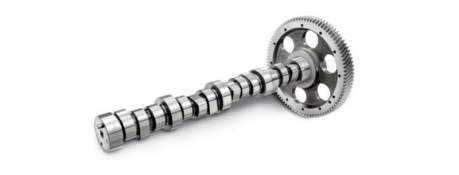
The camshaft is a crucial part of an internal combustion engine. It plays a key role in controlling the timing of the opening and closing of the engine's intake and exhaust valves. A well-functioning camshaft ensures the engine runs efficiently, maximizing power output and fuel efficiency. In this article, we will explore the camshaft and its essential components, including the camshaft adjuster, sensor, bearing gear/sprocket, and camshaft seal.
A camshaft is a rotating shaft with specialized lobes that control the opening and closing of the engine's intake and exhaust valves. As the camshaft turns, the lobes push against valve lifters, which in turn move the valves either upward (to open) or allow them to return to a closed position. The timing of these actions is essential for the engine’s performance, affecting power output, fuel efficiency, and overall engine responsiveness.
Camshafts can be designed in various configurations, including:
- Overhead Camshaft (OHC): In this design, the camshaft is located above the cylinder head, directly operating the valves.
- Dual Overhead Camshaft (DOHC): This setup includes two camshafts per cylinder bank—one for intake valves and one for exhaust valves, allowing for more precise valve timing and better engine performance.
- Pushrod or Overhead Valve (OHV): In this configuration, the camshaft is located in the engine block, and it operates the valves through pushrods.
The camshaft's profile, which includes the shape of the lobes, affects the timing (how long the valves remain open) and the lift (how far the valves move). These characteristics are crucial for optimizing engine performance across various RPM ranges. A camshaft designed for high performance may allow for greater airflow at higher RPMs but may sacrifice low-end torque.
The camshaft adjuster, often used in conjunction with variable valve timing (VVT) systems, is a component that allows for the adjustment of the camshaft timing. It enables the camshaft to rotate slightly to advance or retard valve timing. This feature allows engines to adapt to different driving conditions, optimizing performance, fuel efficiency, and emissions.
Types of Camshaft Adjusters:
- Oil-Driven Adjusters: Most common in modern engines, these adjusters use engine oil pressure to make precise adjustments to the camshaft position. The oil pressure moves a piston inside the adjuster, rotating the camshaft to the desired position.
- Electronic Adjusters: In advanced systems, the camshaft adjuster can be controlled electronically, allowing for more precise adjustments based on real-time data received from the engine control unit (ECU).
- Mechanical Adjusters: Some older or simpler designs use mechanical means, such as springs and levers, to adjust the camshaft position, but these are less common in modern vehicles.
The use of camshaft adjusters has several advantages:
- Enhanced Performance: By optimizing valve timing, camshaft adjusters improve engine performance across various RPM ranges, providing better acceleration and responsiveness.
- Improved Fuel Efficiency: Efficient valve timing can enhance fuel combustion, resulting in better mileage and lower emissions.
- Reduced Emissions: By optimizing the combustion process, engines with camshaft adjusters typically produce fewer harmful emissions, helping manufacturers meet stringent environmental regulations.
The camshaft position sensor plays an important role in modern engines, especially with sophisticated systems like VVT or engine control units (ECU). This sensor provides the ECU with information about the position of the camshaft, allowing the engine to adjust the timing of fuel injection and ignition.
Function:
The camshaft position sensor monitors the rotation and position of the camshaft and sends signals to the ECU. The ECU uses this data to ensure that fuel injection, valve timing, and spark are precisely coordinated with the engine’s overall performance requirements.
Types of Camshaft Sensors:
- Magnetic Inductive Sensor: Detects the movement of a toothed wheel attached to the camshaft.
- Hall Effect Sensor: Uses a magnetic field to detect the position of a rotating camshaft.
The camshaft sensor helps maintain engine performance by ensuring accurate valve timing, spark timing, and fuel delivery. If the sensor fails or malfunctions, it can lead to poor engine performance, misfires, or even engine stalling.
The camshaft bearing gear or sprocket is the component that connects the camshaft to the timing chain or belt. This gear/sprocket is responsible for transmitting the rotational force from the crankshaft to the camshaft.
Function:
The sprocket ensures that the camshaft rotates in synchronization with the crankshaft, ensuring that the camshaft’s valve timing is aligned with the crankshaft’s rotation. The gear is typically driven by a timing belt or chain that connects it to the crankshaft sprocket. The sprocket’s teeth mesh with the timing chain or belt, ensuring the camshaft rotates correctly.
Importance in Timing and Performance:
The accuracy of the camshaft bearing gear/sprocket system is vital for maintaining the correct valve timing. If this component becomes worn, misaligned, or damaged, it can lead to incorrect valve timing, resulting in poor engine performance, increased emissions, or even engine damage.
The camshaft seal is a critical component that prevents oil from leaking out of the camshaft area, ensuring that the engine remains properly lubricated.
Function:
The camshaft seal is located at the front or rear of the camshaft, where it passes through the engine block or cylinder head. Its primary role is to seal the gap between the camshaft and the engine to prevent oil from leaking out and contaminants from entering. A properly functioning camshaft seal helps maintain the pressure inside the engine’s lubrication system.
Importance in Engine Durability:
If the camshaft seal wears out or becomes damaged, it can cause oil leaks, leading to low oil levels, poor lubrication, and potential engine damage. It is also important to replace the camshaft seal when replacing the camshaft itself, as an old seal can lead to future oil leakage.
The camshaft is an integral component of an engine's valve timing system. By understanding the various parts that make up the camshaft assembly—such as the camshaft adjuster, sensor, bearing gear/sprocket, and seal—you can gain a deeper appreciation for the precision and complexity required to keep an engine running smoothly. Each of these components plays a role in optimizing engine performance, fuel efficiency, and longevity. Proper maintenance of these parts is essential for maintaining optimal engine operation and preventing costly repairs in the future.
 The data shown here, especially the complete database of car spare parts, may not be copied. It is strictly prohibited to duplicate the data and database and distribute the same, and/or instruct third parties to engage in such activities, without prior consent from TecAlliance. Any use of content in a manner not expressly authorized constitutes copyright infringement and violators will be prosecuted.