

EGR Valve Replacement and Cleaning – How to Maintain an EGR Valve?
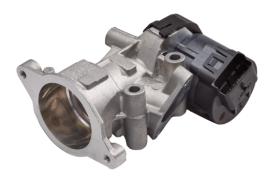
The EGR valve (Exhaust Gas Recirculation) is a crucial component in modern internal combustion engines, helping to reduce NOx emissions and improve engine efficiency. Proper operation of this component ensures lower fuel consumption and a longer engine lifespan. However, over time, the EGR valve can become clogged and require cleaning or even replacement. In this article, we explain what the EGR valve does, how it works, common failures, and how to clean or replace the EGR valve if necessary.
What Does the EGR Valve Do?
The EGR valve directs a portion of exhaust gases back into the intake manifold, mixing them with fresh air. This lowers combustion temperatures, thereby reducing NOx emissions. When the EGR valve is functioning properly, it helps reduce emissions and save fuel. However, a clogged or faulty EGR valve can cause a drop in engine performance, unstable idling, and increased fuel consumption.
Figure 1 illustrates a cooled high-pressure EGR system used in Euro IV applications. A portion of the exhaust gas is directed through the EGR control valve and into the EGR cooler. From the cooler, it flows into the EGR throttle assembly, where it mixes with filtered high-pressure fresh intake air that has been cooled by the intercooler. The air and EGR mixture is then directed through the intake manifold into the engine. If the engine is equipped with a variable geometry turbocharger (VTG), which can create a higher exhaust manifold pressure than intake pressure to control EGR flow, the EGR intake throttle is used under certain conditions where the VTG alone cannot create sufficient pressure differential.

1. EGR Throttle (EGR intake Throttle)
2. EGR Cooler
3. Diesel Engine
4. EGR Valve
5. Turbocharger
6. Intake
7. Turbo Intercooler
Figure 1: EGR System
EGR Throttle Valve / Shut-off Valve (Throttle Body / Intake Flap)
What it controls:
Regulates clean intake air (coming from the intercooler).
Function (on diesel engines):
Assisting the EGR system:
- When the EGR valve opens, the throttle valve partially closes. This creates a vacuum in the intake manifold, helping exhaust gases flow more effectively from the EGR system into the engine.
-
Engine shutdown:
When the ignition is switched off, the valve closes completely for a moment, cutting off the air supply. This allows the diesel engine to shut down smoothly without shaking or shuddering (hence the name shut-off valve). - DPF regeneration: Helps increase exhaust temperature for diesel particulate filter regeneration.

Figure 2. EGR Throttle Valve
EGR Valve
What it controls:
Regulates exhaust gases (soot/black smoke).
Function:
Its job is to open and close to allow a portion of exhaust gases to be routed back into the engine in order to lower the combustion temperature.
Location:
Connects the exhaust manifold (or EGR cooler) to the intake system.

Figure 3. EGR Valve
The EGR valve and the EGR throttle valve look very similar.
They are two completely different components, even though they are often located right next to each other on the engine (essentially bolted together) and work in close cooperation.
In short:
One deals with “dirty air” (the EGR valve), and the other deals with “clean air” (the throttle valve), but they must operate in sync for the engine to run properly.
EGR Valve and EGR Module
In many modern vehicles, the EGR valve is no longer a standalone component but part of an integrated EGR module. The EGR module includes not only the valve but also a cooling system and sensors that ensure more precise control and optimal reliability. If the EGR module encounters a problem, it can affect the entire engine management system and trigger diagnostic error messages. Therefore, regular maintenance of both the EGR valve and the entire module is essential to prevent failures and ensure smooth engine operation.
Common EGR Valve Failures
Over time, the EGR valve can become clogged with soot, oil, and other residues, causing it to seize. Common issues include:
- Clogged EGR Valve – leads to reduced engine power and increased fuel consumption.
- Faulty EGR Valve Sensor – can cause the engine control unit to display error messages and switch to limp mode.
- Leaking or Stuck Open Valve – results in incorrect exhaust gas mixtures, affecting engine performance.
- Mechanical Wear of the EGR Valve – may cause the valve to get stuck in an open or closed position.
If issues arise, cleaning the EGR valve should be attempted first, but in severe cases, replacement may be necessary.
Cleaning the EGR Valve
Cleaning the EGR valve is often the first step in maintaining its functionality and restoring engine performance. The process can be done using a chemical cleaner or manually by removing the valve.
How to Clean the EGR Valve?
- Locate the EGR valve – usually found between the intake manifold and the exhaust system.
- Remove the EGR valve – if needed, detach the mounting bolts and electrical connections.
- Use an EGR valve cleaner – special cleaning agents help remove soot and carbon buildup.
- Let it dry and clean again if necessary.
- Reinstall the valve and test its operation.
Regular cleaning can extend the lifespan of the EGR valve and reduce the need for replacement.
Removing and Replacing the EGR Valve
If cleaning does not help or the valve is mechanically damaged, replacing the EGR valve should be considered. The process involves removing the old valve and installing a new one according to the manufacturer's instructions.
Some vehicle owners consider completely removing the EGR valve and sealing the system, but this can affect engine performance and violate environmental regulations.
Conclusion
The EGR valve is a critical component in the engine’s emission control system, and regular maintenance can extend engine life and reduce fuel consumption. Cleaning the EGR valve is often enough to resolve issues, but in severe cases, replacement may be required. By using the right cleaning products and following maintenance recommendations, major problems can be avoided, and the engine can be kept running optimally. Additionally, attention should be given to the EGR module, as proper maintenance helps prevent more extensive system failures.
 The data shown here, especially the complete database of car spare parts, may not be copied. It is strictly prohibited to duplicate the data and database and distribute the same, and/or instruct third parties to engage in such activities, without prior consent from TecAlliance. Any use of content in a manner not expressly authorized constitutes copyright infringement and violators will be prosecuted.