

What is car Oil Pressure Switch
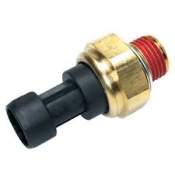
How the Oil Pressure Switch Works
-
Senses Oil Pressure:
- The switch is installed in the engine's lubrication system, typically near the oil filter or oil pump.
- It detects the pressure of the oil circulating through the engine.
-
Signal Transmission:
- When the oil pressure is within a safe range, the switch allows the electrical circuit to remain open or closed, depending on the design.
- If the oil pressure falls below the safe threshold, the switch changes its state (open or closed) and sends a signal to the vehicle's dashboard or control system.
-
Driver Alert:
- The signal usually illuminates an oil pressure warning light on the dashboard or triggers a warning message.
- In some vehicles, it may also activate a buzzer or limit engine performance to prevent further damage.
Types of Oil Pressure Switches
-
Single-Function Switch:
- Simply turns the oil pressure warning light on or off based on pressure levels.
-
Pressure-Sensing Switch:
- Provides variable resistance to send more detailed oil pressure information to the car's computer or gauge.
-
Dual-Function Switch:
- Combines both the on/off functionality for the warning light and a pressure-sensing element for accurate readings.
Importance of the Oil Pressure Switch
- Engine Protection: Alerts the driver if oil pressure drops too low, which could cause severe engine damage due to insufficient lubrication.
- Diagnostics: Helps in diagnosing issues related to oil levels, pump failure, or blockages in the lubrication system.
- Monitoring: Provides real-time feedback for advanced systems or gauges, enabling better monitoring of engine health.
Symptoms of a Faulty Oil Pressure Switch
- Oil Pressure Warning Light Stays On:
- May indicate low oil pressure or a faulty switch.
- Intermittent Warning Light:
- The light flickers on and off without any changes in engine behavior, often caused by a failing switch.
- Oil Pressure Gauge Malfunction:
- The gauge shows erratic or incorrect readings.
- Oil Leaks:
- A damaged or leaking oil pressure switch can cause oil to seep out.
Common Causes of Oil Pressure Switch Failure
- Wear and Tear: Over time, the switch's internal components may degrade.
- Oil Contamination: Dirty or contaminated oil can clog the switch or damage its internal parts.
- Electrical Issues: Wiring faults or corrosion in the connectors can cause signal problems.
- Excessive Heat or Vibration: Prolonged exposure to extreme conditions can reduce the switch's lifespan.
Replacing an Oil Pressure Switch
-
Locate the Switch:
- Refer to the vehicle's manual to find the oil pressure switch. It's often near the oil filter or on the engine block.
-
Disconnect Battery:
- To prevent electrical issues, disconnect the vehicle's battery before starting.
-
Remove the Switch:
- Unplug the electrical connector and unscrew the switch using the appropriate wrench or socket.
-
Install the New Switch:
- Screw in the new switch and tighten it to the manufacturer's specified torque. Reconnect the electrical connector.
-
Test the System:
- Reconnect the battery, start the engine, and check if the oil pressure warning light functions correctly.
Final Thoughts
The oil pressure switch is a small but essential component of a vehicle's engine monitoring system. Regular maintenance, such as timely oil changes and inspections, helps ensure its proper functioning. If you notice a persistent oil pressure warning light, it's crucial to address the issue promptly to avoid potential engine damage.
 The data shown here, especially the complete database of car spare parts, may not be copied. It is strictly prohibited to duplicate the data and database and distribute the same, and/or instruct third parties to engage in such activities, without prior consent from TecAlliance. Any use of content in a manner not expressly authorized constitutes copyright infringement and violators will be prosecuted.