Machetes
Machetes: indispensable tools in nature and in the household
The machete has proven itself over time as one of the most versatile and durable tools a person needs for active activities. Whether the goal is to cut down dense brush, make a path in the forest, prepare a campsite, or remove stubborn weeds and branches in the garden - a quality machete can do the job where a regular knife is too short and an axe is too heavy or cumbersome.
How to choose the right shape of a machete?
Machetes come in a variety of shapes and sizes, depending on their original purpose and origin. Choosing the right model will make the job much easier and less tiring:
- Classic (Latin) style: a machete with a long and relatively straight blade, ideal for cutting softer vegetation, hay, and finer branches. The weight is evenly distributed, making it easier to swing for long periods of time.
- Kukri and Bolo style: These blades are wider and heavier at the front. The forward center of gravity provides greater inertia when striking, making these models ideal for cutting stronger, thicker branches or splitting wood.
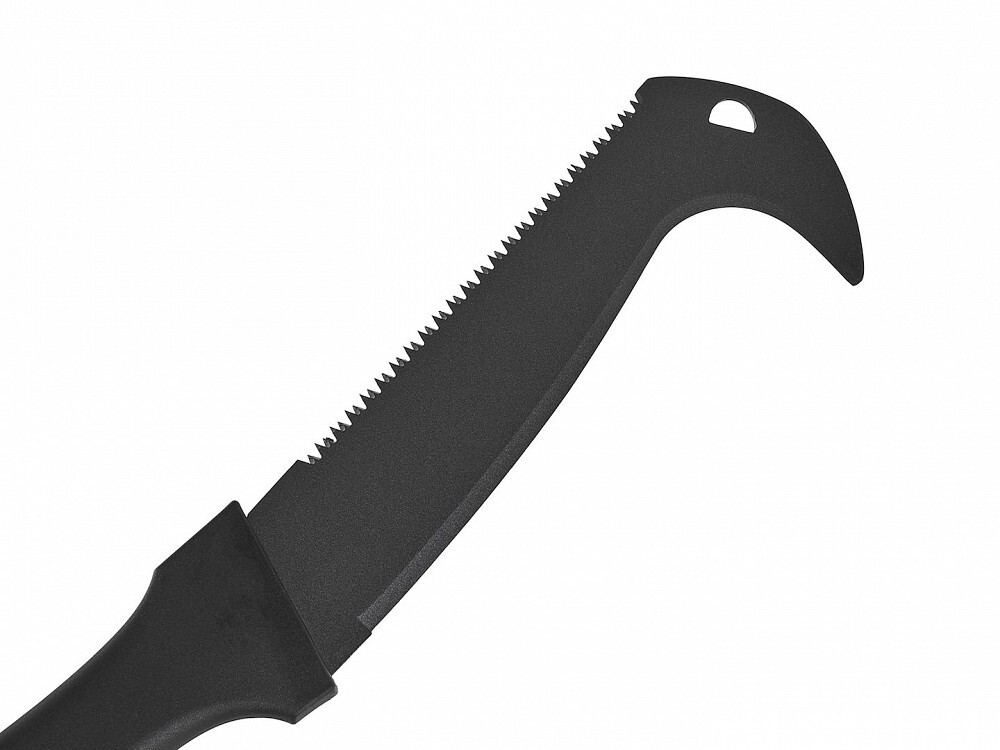
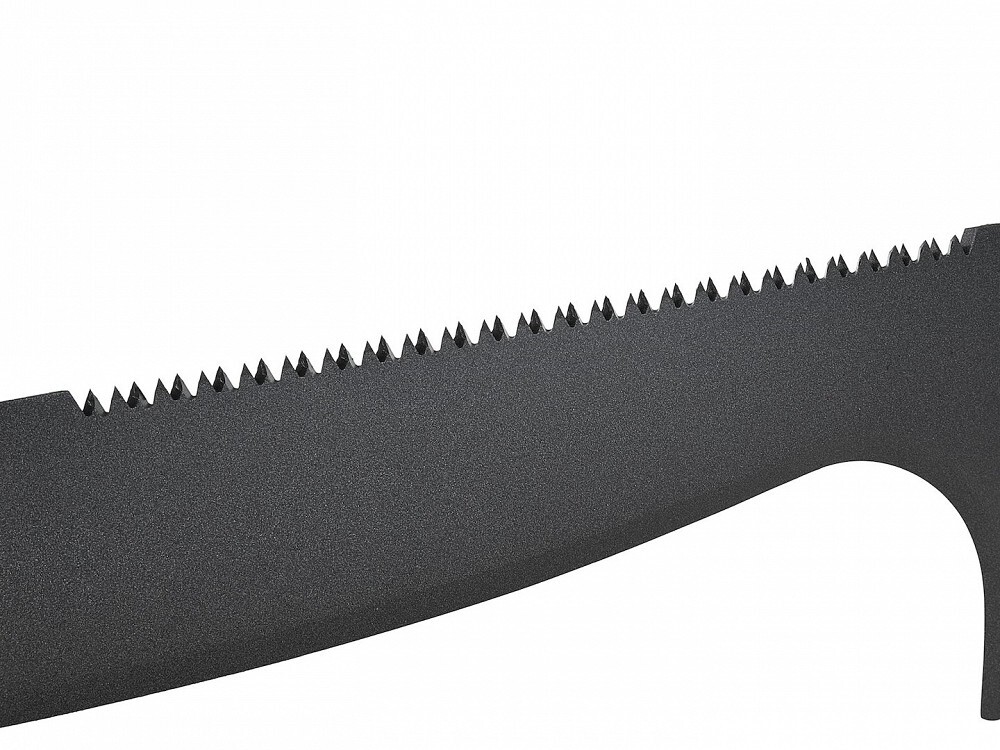
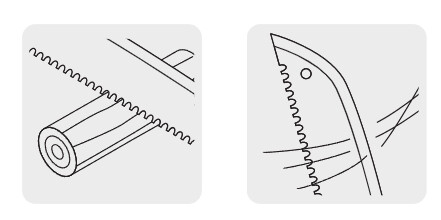
- Saw-backed machetes: multifunctional models with saw teeth milled into the back of the blade. A great choice for a hiker who wants to both chop and saw through thicker wood with one tool.
Materials: Carbon Steel versus Stainless Steel
The material of the blade largely determines the cutting properties and maintenance requirements of the tool. Carbon steel machetes are extremely strong, hold their sharpness well and are relatively easy to re-sharpen in the wild with a stone. Their main disadvantage is their susceptibility to rust, which is why they need to be dried and lightly oiled after use. Stainless steel models, on the other hand, are more resistant to moisture and are almost maintenance-free, making them an excellent choice for working in very wet conditions.
Just as important as the blade is the handle of your machete. We recommend choosing an ergonomically shaped handle made of rubber, textured polymer, or sturdy wood that provides a firm, non-slip grip even when your hands are wet or you are wearing work gloves.
safety and proper maintenance
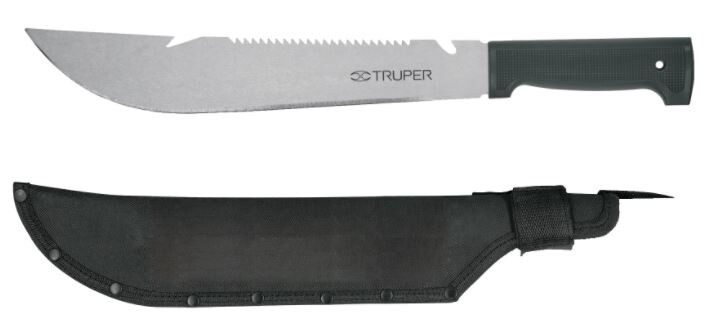
Safety is paramount when working with such a large bladed tool. Always ensure that there is sufficient clearance around you and use proper striking techniques, always pointing the blade away from your body and legs. To ensure the longevity and safety of your tool, always keep the blade sharp – a dull machete requires excessive force when working, which tires your hand and increases the risk of dangerous kickback. Always use a high-quality, durable sheath for storage and transport, which will protect both you and the blade of the tool.




 The data shown here, especially the complete database of car spare parts, may not be copied. It is strictly prohibited to duplicate the data and database and distribute the same, and/or instruct third parties to engage in such activities, without prior consent from TecAlliance. Any use of content in a manner not expressly authorized constitutes copyright infringement and violators will be prosecuted.