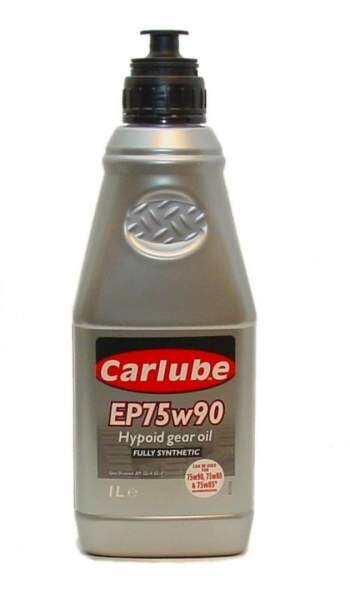
Axle oils
Car axle oils and differential oils: why is the GL-5 standard vital?
Axle oil , often referred to as **differential oil**, is one of the critical fluids in a vehicle's transmission system. It plays a key role in lubricating and protecting the gears of the rear axle, front axle and transfer case. Since differentials are exposed to extreme loads, high temperatures and sliding friction, choosing the right oil is essential to ensure the longevity and smooth operation of your vehicle.
Why is axle oil different from regular transmission oil?
**hypoid gears** are located inside the differential. These gears are designed to operate with sliding friction, with the contact points of the teeth moving relative to each other at high speed and under high pressure. Regular gear oil would not be able to adequately protect the metal surfaces in this situation.
Therefore, the bridge oils are enriched with special **EP (extreme pressure)** additives that create a chemical protective layer on metal surfaces. This layer prevents metal-to-metal contact and wear, even under maximum load.
two main bridge oil standards
API (American Petroleum Institute) categories are used to classify axle oils. There are two most important standards for passenger car and heavy duty differentials:
- API GL-4: Designed primarily for manual transmissions and some older, less heavily loaded differentials. Does not contain as many EP additives.
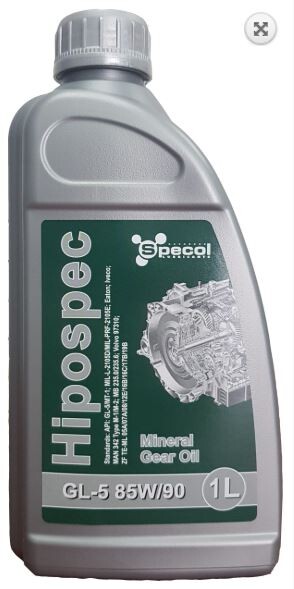
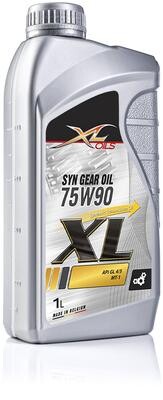
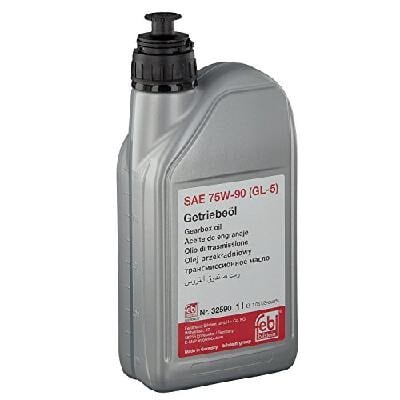
- API GL-5: The most common standard for modern and hypoid differentials. Contains a high concentration of sulfur-based EP additives, providing the best protection against high loads and sliding friction.
Note: Although GL-5 offers better protection, it should never be used in transmissions that require GL-4 because the strong EP additives can damage yellow metal (copper alloys, e.g. synchronizers) components.
viscosity grade (saw)
Like engine oils, transmission oils have a viscosity grade that indicates their thickness over a temperature range (e.g. 80w-90, 75w-90, 75w-140):
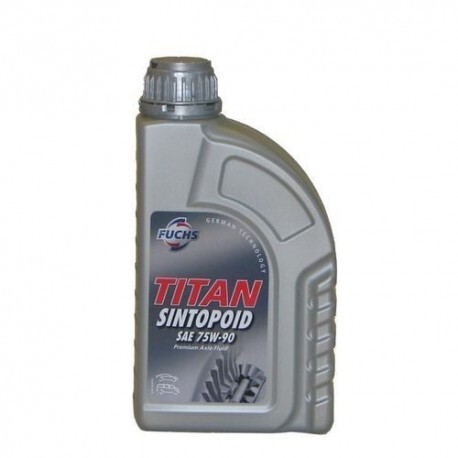
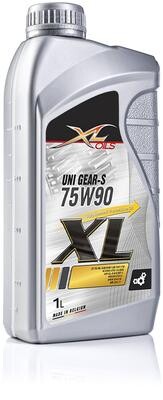
- 75w-90: A common universal viscosity that is suitable for most passenger cars and light commercial vehicles year-round.
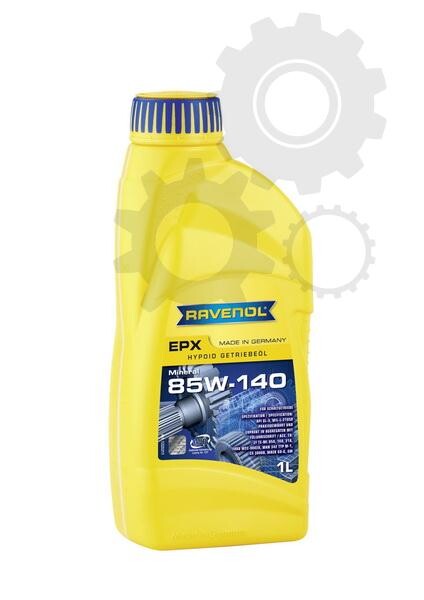
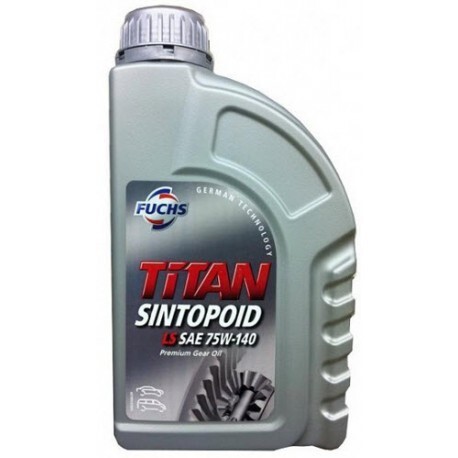
- 75w-140: A thicker oil designed for heavy-duty vehicles, sports cars, and heavy-duty differentials. Provides better protection at high operating temperatures.
specific requirement: lsd oils
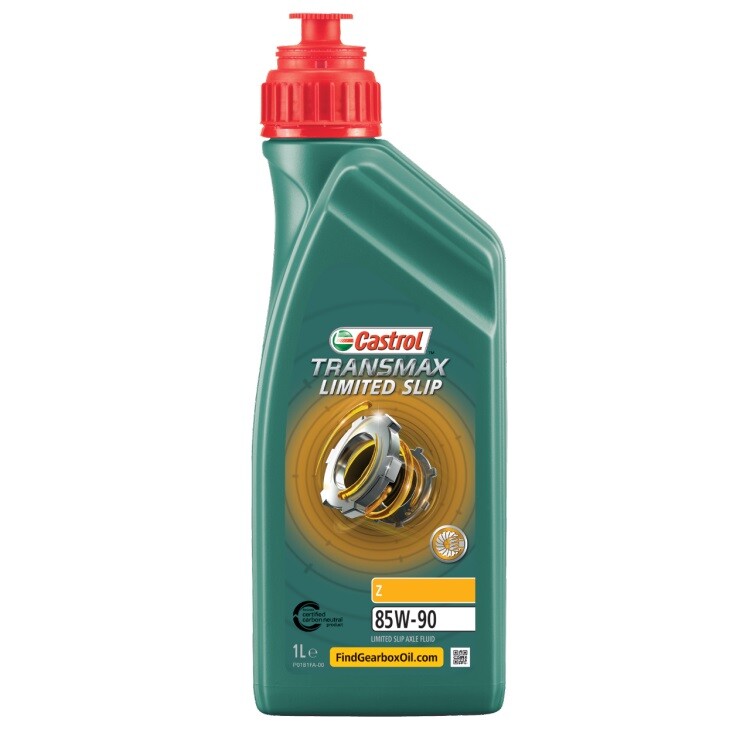
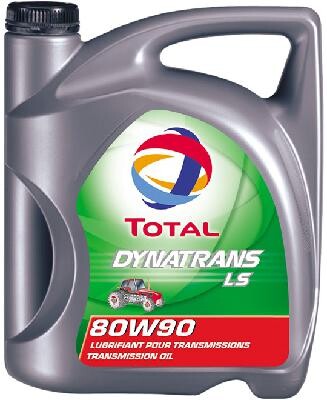
If your vehicle has a **LSD (limited slip differential)** (common on sports cars, SUVs and racing cars), API GL-5 oil alone is not enough. LSD differentials require special friction modifier additives in addition to GL-5 to prevent excessive clutch disc sticking and vibration (so-called "diff barking"). Such oils are marked with the **LS** symbol (e.g. GL-5 LS).
summary
When choosing a transaxle oil, it is most important to follow the vehicle manufacturer's requirements. Always choose an oil that meets the correct API standard (**GL-5 is mostly required**) and the correct viscosity grade. The right oil protects the gears from wear, ensures quiet operation of the differential and extends the life of the vehicle.





















 The data shown here, especially the complete database of car spare parts, may not be copied. It is strictly prohibited to duplicate the data and database and distribute the same, and/or instruct third parties to engage in such activities, without prior consent from TecAlliance. Any use of content in a manner not expressly authorized constitutes copyright infringement and violators will be prosecuted.