

Filters > Automatic Gearbox filter
Pick your vehicle
1. Automatic transmission oil filter – why is it important and when to change it?
The automatic gearbox filter is one of the most important components that ensures smooth gear changes and extends the life of the gearbox. The filter's job is to remove dirt, metal particles, and other contaminants that can get into the gearbox oil over time.

Why is an automatic transmission filter necessary?
Automatic transmissions operate using a complex hydraulic and electronic system . If the oil filter becomes clogged, it can cause the following problems:
✔ Shift delays or jerking
✔ overheating and increased wear
✔ drop in oil pressure, which can damage transmission components
Therefore, regular filter maintenance is important to avoid expensive repairs and keep your car in good working order.
When to change the automatic transmission filter?
The filter replacement interval depends on the car manufacturer's recommendations, but it is usually recommended to do it every 50,000–100,000 km, along with a transmission oil change. If you notice the following, the filter may need to be replaced urgently:
- slow or uneven gear shifting
- unusual sounds in the gearbox
- darkening or burnt smell of oil
How to choose the right automatic transmission filter?
The filter selection should be based on the car model and gearbox type. Many cars have a replaceable oil filter, but some models have it built in and require the gearbox to be completely disassembled.
car hydraulic filters: important parts in a vehicle's hydraulic system
Hydraulic filters are an essential part of a car's hydraulic system, helping to ensure that the system operates efficiently and has a long service life. These filters protect the hydraulic circuits from dirt, contaminants and water to prevent wear and malfunction of system components. The smooth operation of hydraulic systems is essential for the efficiency of many vehicle components, such as power steering, braking systems and transmission mechanisms.
In this article, we will look at the function, working principle, types, and maintenance tips of a hydraulic filter to keep your hydraulic system functioning properly.
What is a hydraulic filter?
A hydraulic filter is a device that removes various contaminants from a hydraulic system, such as dirt, dust, metal particles, water and air bubbles. Contaminants can cause wear, leaks and reduced performance when circulated through the system. The function of the filter is to keep the hydraulic fluid clean to prevent system damage and ensure smooth operation.
A hydraulic filter usually works with hydraulic oil and is often placed at the ends of the system where the oil flows through. The filter prevents larger contaminants from entering the system and ensures that only clean oil reaches the hydraulic components.
hydraulic filter working principle
The operation of a hydraulic filter is based on directing the movement of a fluid train through a filter element containing a filtration material, such as paper, nylon mesh, or other similar material. As the oil or fluid moves through the filter, contaminants and particles are trapped in the filter material, allowing clean fluid to continue to flow into the hydraulic system.
The filter's job is not just to collect contaminants, it is also designed to keep the oil clean to prevent damage to mechanical parts such as pumps, valves and cylinders from wearing out. The filter also protects the system from air or water entering, as these can cause corrosion and change the properties of the hydraulic fluid.
types of hydraulic filters
There are different types of hydraulic filters depending on the configuration of the vehicle's hydraulic system and the type of fluid being filtered. The most common types of filters are:
Air filters: Air filters remove contaminants such as dust and dirt from the air before it reaches the hydraulic system. These filters help prevent air contamination in the system, which can cause the hydraulic oil to deteriorate.
Oil filters: Oil filters are the most common and important in a hydraulic system. These filters remove small particles of dirt, including contaminants and substances produced by oil aging. The main purpose of oil filters is to protect hydraulic system components from dirt and corrosion.
Moisture Removal Filters: These filters are designed to remove moisture or water from the system. Water can enter the system in a variety of ways, such as during oil changes or from humidity in the air. Water is extremely harmful in a hydraulic system as it can cause rust, corrosion and reduce the lubricating ability of the oil.
Fine filters: These filters are designed to remove the smallest particles and contaminants. The purpose of fine filters is to ensure that only clean, high-quality fluid reaches all parts of the system.
Urea and additive filters: Some hydraulic systems, especially in modern vehicles, may use special filters designed to remove non-flammable substances such as urea and other additives. These filters help ensure that the system runs clean and does not produce harmful emissions.
hydraulic filter check
Proper filter maintenance is essential to ensure the smooth operation of your hydraulic system and extend its life. Here are some recommendations for maintaining your hydraulic filters:
-
Regular filter replacement: The filter replacement interval depends on the vehicle manufacturer's recommendations and driving conditions. Some filters need to be replaced every 30,000–50,000 km, while others may need to be replaced more frequently, such as every 15,000 km. Changing the filter on time helps prevent system contamination and ensures optimal system performance.
-
Checking the filter: Regular checks are necessary to ensure that the filter is clean and in good working order. If the filter is dirty or clogged, it will no longer be able to effectively trap contaminants, which can damage hydraulic system components. If the filter is clogged, it must be replaced immediately.
-
Checking the hydraulic fluid: The hydraulic filter works with the hydraulic fluid, so it is important to check the level and quality of the fluid. If the fluid is black or contains a lot of contaminants, this may indicate that the filter is not working properly and needs to be replaced. You should also make sure that the fluid does not contain water, as this can damage the system.
-
Correct filter type: It is important to use the correct type and size of hydraulic filter that meets the requirements specified by the vehicle manufacturer. Using the wrong filter can damage the system and reduce its performance.
-
Installing the filter When installing the filter, ensure that all components are in the correct position and properly secured. Incorrect installation can cause leaks and contaminants to enter the system.
signs of hydraulic filter problems
If the hydraulic filter is not working properly, it can cause a number of problems that can affect the entire hydraulic system:
-
Oil overheating: If the filter cannot trap dirt, contaminants entering the system can reduce the cooling capacity of the oil, causing the oil to overheat and system malfunction.
-
Air in the hydraulic system: Damage to the filter can cause air leaks, which leads to air bubbles in the hydraulic system. This can cause a decrease in braking performance and power steering system, as air bubbles interfere with the movement of the oil.
-
filter clogging: If the filter is clogged, air movement can occur in the system, which disrupts the operating conditions of the hydraulics and can cause a decrease in system performance.
summary
Hydraulic filters are essential to the operation of a vehicle's hydraulic system. These filters protect the system from contaminants, water and dirt, ensuring smooth operation and longevity. Regular maintenance, timely filter replacement and selection of the correct filter type are essential to prevent hydraulic system failures and ensure vehicle reliability.

Why do wiper blades spoil quickly? Causes and effective solutions with deep cleaning
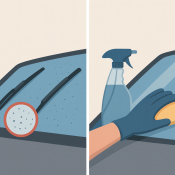 Rapid wear of wiper blades is a problem that can occur even on brand new cars. If new wiper blades start to streak, leave spots on the glass or start to skip after just a few weeks or months, the fault is usually not with the product itself. Most often, the cause is invisible dirt accumulated on the surface of the windshield or the wipers are working at the wrong angle.
Below is an overview of the main causes and solutions.
... More...
Rapid wear of wiper blades is a problem that can occur even on brand new cars. If new wiper blades start to streak, leave spots on the glass or start to skip after just a few weeks or months, the fault is usually not with the product itself. Most often, the cause is invisible dirt accumulated on the surface of the windshield or the wipers are working at the wrong angle.
Below is an overview of the main causes and solutions.
... More...
Changing your car's gearbox oil yourself at home in the garage - step-by-step guide
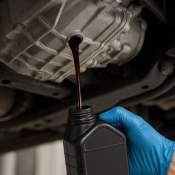 Changing your car's transmission oil is one of those maintenance tasks that many people consider to be difficult or "only a workshop job." In fact , changing your transmission oil is completely doable in your home garage if you approach it calmly, with the right knowledge and tools. This comprehensive article explains step-by-step why you should change your transmission oil , when to do it , the difference between manual and automatic transmissions , and how to do the change yourself safely .
The article is written in simple language and is also suitable for someone who is doing this for the first or second time.
What is transmission oil and why is it so important?
Gearbox oil is a lubricant whose function is to:
reduce friction between gears
cool the internal parts of the gearbox
protect metal surfaces from wear and corrosion
ensure smooth and quiet gear shifting
While the engine operates in an environment of continuous combustion and high temperature, the load on the gearbox is mechanical . Gears, bearings and synchronizers require constant protection. Without proper oil, the gearbox wears out quickly , and repairs are expensive and complicated.
... More...
Changing your car's transmission oil is one of those maintenance tasks that many people consider to be difficult or "only a workshop job." In fact , changing your transmission oil is completely doable in your home garage if you approach it calmly, with the right knowledge and tools. This comprehensive article explains step-by-step why you should change your transmission oil , when to do it , the difference between manual and automatic transmissions , and how to do the change yourself safely .
The article is written in simple language and is also suitable for someone who is doing this for the first or second time.
What is transmission oil and why is it so important?
Gearbox oil is a lubricant whose function is to:
reduce friction between gears
cool the internal parts of the gearbox
protect metal surfaces from wear and corrosion
ensure smooth and quiet gear shifting
While the engine operates in an environment of continuous combustion and high temperature, the load on the gearbox is mechanical . Gears, bearings and synchronizers require constant protection. Without proper oil, the gearbox wears out quickly , and repairs are expensive and complicated.
... More...
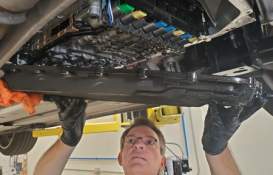
 The data shown here, especially the complete database of car spare parts, may not be copied. It is strictly prohibited to duplicate the data and database and distribute the same, and/or instruct third parties to engage in such activities, without prior consent from TecAlliance. Any use of content in a manner not expressly authorized constitutes copyright infringement and violators will be prosecuted.