

Heating/Ventilation > Control Units
Pick your vehicle
understanding the key components of a car's heating and ventilation system
a car's heating and ventilation system is essential for ensuring a comfortable and safe driving experience. two critical components in this system are the control unit, heating/ventilation blower and the resistor, heating/ventilation blower . these parts work together to manage the airflow, temperature, and overall functionality of the system. below, we'll explore what these components do, how they work, and why regular maintenance is important.
1. control unit, heating/ventilation blower
the control unit serves as the brain of the car's heating and ventilation blower system. it processes input from various sensors, as well as commands from the driver via dials or buttons, to control the blower motor's operation.
key functions of the control unit
- regulating blower speed: based on driver input or automatic climate control settings, the control unit adjusts the speed of the blower to ensure optimal airflow in the cabin.
- temperature management: it works with other hvac components to mix air at the right temperature before delivering it through the vents.
- system diagnostics: the control unit often has diagnostic capabilities, helping to identify issues like fan motor failures or faulty resistors.
common issues and solutions
a malfunctioning control unit may result in irregular blower speeds, inconsistent airflow, or the system shutting down altogether. if you experience these symptoms, the control unit may need replacement.
2. resistor, heating/ventilation blower
the resistor in the heating and ventilation blower system is responsible for controlling the fan's speed by regulating the voltage that reaches the blower motor. the resistor ensures smooth operation across multiple speed settings, allowing the driver to adjust the fan intensity to their preference.
key functions of the resistor
- voltage regulation: the resistor reduces the electrical current supplied to the blower motor, enabling various fan speeds.
- compatibility with control unit: the resistor works in tandem with the control unit to execute precise speed adjustments.
signs of a faulty resistor
- the blower fan only works at one speed (usually the highest).
- the fan stops working altogether.
- irregular or inconsistent airflow in the cabin.
if the resistor fails, replacing it promptly is crucial to restore proper functionality to the blower motor.
why regular maintenance is important
both the control unit and resistor are integral to the performance of the car's heating and ventilation system. regular inspection and maintenance can help avoid unexpected failures and expensive repairs.
- prevent overheating: a failing resistor can overheat the blower motor, leading to more significant issues.
- optimize comfort: a properly functioning control unit ensures consistent airflow and temperature control for a comfortable ride.
- enhance longevity: timely replacements and routine checks can prolong the life of these components and the hvac system overall.
conclusion
the control unit, heating/ventilation blower and resistor, heating/ventilation blower are vital for maintaining a comfortable cabin environment in any vehicle. these components work in harmony to regulate airflow and temperature effectively. regular maintenance and prompt repairs can keep your car's heating and ventilation system in peak condition, ensuring your comfort and safety on the road.
Car heating and ventilation system: key parts and their functions
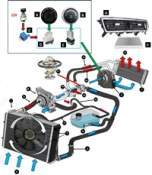 Car Heating and Ventilation System: Key Components and Their Functions
The car heating and ventilation system ensures a comfortable temperature and quality airflow inside the cabin. This complex system consists of multiple critical components working together to provide a pleasant driving experience. Below, we take a closer look at the main parts and their importance.
... More...
Car Heating and Ventilation System: Key Components and Their Functions
The car heating and ventilation system ensures a comfortable temperature and quality airflow inside the cabin. This complex system consists of multiple critical components working together to provide a pleasant driving experience. Below, we take a closer look at the main parts and their importance.
... More...
Why do wiper blades spoil quickly? Causes and effective solutions with deep cleaning
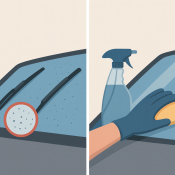 Rapid wear of wiper blades is a problem that can occur even on brand new cars. If new wiper blades start to streak, leave spots on the glass or start to skip after just a few weeks or months, the fault is usually not with the product itself. Most often, the cause is invisible dirt accumulated on the surface of the windshield or the wipers are working at the wrong angle.
Below is an overview of the main causes and solutions.
... More...
Rapid wear of wiper blades is a problem that can occur even on brand new cars. If new wiper blades start to streak, leave spots on the glass or start to skip after just a few weeks or months, the fault is usually not with the product itself. Most often, the cause is invisible dirt accumulated on the surface of the windshield or the wipers are working at the wrong angle.
Below is an overview of the main causes and solutions.
... More...
 The data shown here, especially the complete database of car spare parts, may not be copied. It is strictly prohibited to duplicate the data and database and distribute the same, and/or instruct third parties to engage in such activities, without prior consent from TecAlliance. Any use of content in a manner not expressly authorized constitutes copyright infringement and violators will be prosecuted.