

Electrics > Control Units
Pick your vehicle
car control units: importance, types and operating principles
Car control units are the brains of a vehicle's electronics, controlling and coordinating various functions. These modern control units ensure the safety, comfort and efficiency of the vehicle. Let's take a closer look at the most important car control units and how they work.
main car control units and their functions
control unit, dynamic bending light
The cornering light control adjusts the direction of the headlights according to the steering wheel rotation. This improves visibility in the dark and increases safety.
control unit, fuel pump
The fuel pump control unit manages the flow of fuel to the engine, optimizing economy and performance. If it fails, the vehicle may experience starting problems or unstable engine operation.
control unit, lane changing assist
This control unit works with sensors to help drivers change lanes more safely. If the sensors detect another vehicle in the "blind spot", the system issues a warning.
control unit, lights
This control unit controls all of the vehicle's lighting systems, including the headlights, taillights, and interior lighting. If it malfunctions, it may result in no lighting or uneven operation.
control unit, braking system
This control unit works with ABS and other braking systems, helping to maintain optimal braking force and prevent the wheels from locking.
resistor, interior blower
The interior blower resistor controls the fan speed to maintain the desired interior temperature. In the event of a fault, the fan may only operate at one speed or may stop operating.
control unit, seat adjustment
This control unit controls the adjustment of the electric seats, ensuring maximum comfort for passengers.
control unit, automatic transmission
The automatic transmission control unit works with the engine and other systems to optimize gear shifting and maintain fuel economy.
control unit, heating/ventilation
This control unit manages the climate system functions, including heating, cooling and ventilation, to ensure optimal cabin temperature.
control unit, glow time
In vehicles with diesel engines, this control unit controls the glow plug operating time required to start the engine in cold conditions.
control unit, ignition system
This control unit is responsible for the timing and operation of the ignition system, helping to ensure smooth engine starts and efficient operation.
maintenance and diagnostics of control units
Control units are sensitive electronic components that can cause vehicle malfunctions if they fail. If warnings appear on the dashboard or the car's behavior changes, it is recommended to perform diagnostics with a special device that reads out error codes.
common problems and solutions
- Electrical problems – poor wiring or moisture can damage control units.
- Software failures – control unit update or recalibration may be necessary.
- Physical damage – mechanical damage can occur due to accidents or power surges.
summary
Car control units are important components that ensure the vehicle operates optimally. Regular diagnostics and maintenance help prevent problems and keep your car running reliably. If you suspect a control unit failure, it is recommended to contact a specialist to avoid higher costs and safety risks.
Car Electrical System: Overview, Components, and Maintenance
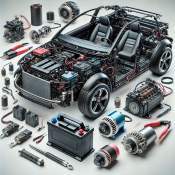 The car's electrical system is one of the most complex and important parts of a modern vehicle, responsible for starting the engine, lighting, and many other functions. The smooth operation of the electrical system ensures the vehicle's performance, safety, and comfort. Knowing this system helps you understand how the different parts of the car work and how to prevent or solve potential problems.
Basic functions of a car's electrical system
Energy generation and storage:
... More...
The car's electrical system is one of the most complex and important parts of a modern vehicle, responsible for starting the engine, lighting, and many other functions. The smooth operation of the electrical system ensures the vehicle's performance, safety, and comfort. Knowing this system helps you understand how the different parts of the car work and how to prevent or solve potential problems.
Basic functions of a car's electrical system
Energy generation and storage:
... More...

Why do wiper blades spoil quickly? Causes and effective solutions with deep cleaning
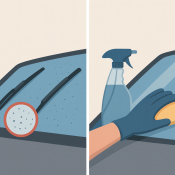 Rapid wear of wiper blades is a problem that can occur even on brand new cars. If new wiper blades start to streak, leave spots on the glass or start to skip after just a few weeks or months, the fault is usually not with the product itself. Most often, the cause is invisible dirt accumulated on the surface of the windshield or the wipers are working at the wrong angle.
Below is an overview of the main causes and solutions.
... More...
Rapid wear of wiper blades is a problem that can occur even on brand new cars. If new wiper blades start to streak, leave spots on the glass or start to skip after just a few weeks or months, the fault is usually not with the product itself. Most often, the cause is invisible dirt accumulated on the surface of the windshield or the wipers are working at the wrong angle.
Below is an overview of the main causes and solutions.
... More...
 The data shown here, especially the complete database of car spare parts, may not be copied. It is strictly prohibited to duplicate the data and database and distribute the same, and/or instruct third parties to engage in such activities, without prior consent from TecAlliance. Any use of content in a manner not expressly authorized constitutes copyright infringement and violators will be prosecuted.