

Car Electrical System: Overview, Components, and Maintenance
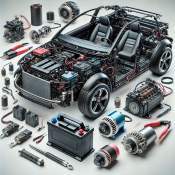
The car's electrical system is one of the most complex and important parts of a modern vehicle, responsible for starting the engine, lighting, and many other functions. The smooth operation of the electrical system ensures the vehicle's performance, safety, and comfort. Knowing this system helps you understand how the different parts of the car work and how to prevent or solve potential problems.
Basic functions of a car's electrical system
-
Energy generation and storage:
The electrical system generates and stores energy that is used to start the engine and operate electrical components such as lighting and air conditioning.
Powering electrical devices:
Powers various electrical devices including lights, wipers, air conditioning, audio and navigation systems.
Supporting safety systems:
Powers essential safety systems such as ABS, airbags and electronic stability programme (ESP).
The main components of a car's electrical system
1. Battery
- The battery is the central energy source of the electrical system, storing energy and supplying the engine with the necessary current during starting.
- A typical car battery is a 12-volt lead-acid battery, which can provide enough current to start the engine and operate electrical consumers.
- Battery maintenance: Regularly check the battery voltage and terminal corrosion.
2. Alternator
- The generator (alternator) produces alternating current while the engine is running, which is converted to direct current to charge the battery and power the car's electrical equipment.
- Without a properly functioning alternator, the battery will discharge quickly.
3. Starter
- The starter is an electric motor that starts the engine. It gets its energy from the battery.
- Starter problems can cause the engine to not start.
4. Fuse box
- The fuse box contains fuses that protect electrical devices from overload and short circuits.
- If an electrical device is not working, it is worth checking the corresponding fuse first.
5. Wiring
- Wires and connectors connect all components of the electrical system, allowing current to flow.
- In older cars, wires can wear out or oxidize, causing malfunctions.
6. Electronic control units
- In modern cars, the electrical system is controlled and monitored by an electronic control unit (ECU).
- The ECU is also responsible for controlling the fuel injection, ignition system and other engine functions.
7. Lighting system
- The lighting system includes both interior and exterior lighting. Its main purpose is to ensure visibility and safety in traffic.
8. Additional electronics
- Air conditioning, navigation system, seat heating, power windows and other comfort devices are also part of the electrical system.
Common electrical system problems and how to solve them
1. Battery discharge
- Symptoms: Car won't start or lights won't come on.
- Possible causes: Old or damaged battery, alternator problems, or electrical consumer (e.g. interior lighting) left on.
2. Alternator failure
- Symptoms: Battery warning light on dashboard, battery not charging properly.
- Solution: Check alternator and alternator belt condition.
3. Starter problems
- Symptoms: Clicking sound is heard, but engine won't start.
- Solution: Check starter connections and battery charge.
4. Wiring Problems
- Symptoms: Electrical devices operate intermittently or not at all.
- Solution: Check the condition of the wires and connectors, looking for corrosion or broken connections.
5. Blown fuses
- Symptoms: A specific electrical device (such as lights or wipers) does not work.
- Solution: Find the corresponding fuse in the fuse box and replace it with a new one if necessary.
How to maintain a car's electrical system?
-
Check the battery and its connections regularly.
Clean corrosion from the battery terminals and make sure that the terminals are securely fastened.
Keep the wiring in good condition.
Avoid damage to the wires or loose connections. The wiring in modern cars can be complex, so if there are major problems, contact a specialist.
Replace defective light bulbs and fuses.
Always use parts and accessories recommended by the manufacturer.
Have the generator checked.
The operation of the generator should be checked every few years to avoid unexpected problems.
You can find battery and alternator testing devices here.
Protect the electrical system from moisture.
Moisture can cause corrosion of the wiring and components. Make sure that the parts of the car's electrical system are properly insulated.
You can find moisture-protecting sprays for electrical wiring here.
Developments and the future of the car electrical system
Modern cars are becoming increasingly electronics-based. In electric cars, the electrical system is the main power source, completely replacing internal combustion engines. In the future, cars may include:
- Smarter control units and artificial intelligence.
- Integrated solar panels for energy generation.
- Even more sophisticated battery technologies and control systems.
Summary
The car's electrical system is a central part of the car's operation, supporting both the engine and many other functions. Regular maintenance and early detection of problems help keep the car's electrical system in working order and avoid expensive repairs. In today's world, where cars are becoming increasingly electronic, it is important to understand the basics of the electrical system and, if necessary, consult a specialist to ensure the system's reliability and durability.
 The data shown here, especially the complete database of car spare parts, may not be copied. It is strictly prohibited to duplicate the data and database and distribute the same, and/or instruct third parties to engage in such activities, without prior consent from TecAlliance. Any use of content in a manner not expressly authorized constitutes copyright infringement and violators will be prosecuted.