

Stabiliser Bar/Fastening Parts > Coupling Rod
Pick your vehicle
Sway Bar: What It Is, How It Works, and Why It’s Crucial for Your Vehicle
A sway bar, also known as a stabilizer bar or anti-roll bar, is an essential component of a vehicle’s suspension system. Its primary purpose is to minimize body roll, improve vehicle stability, and enhance handling during turns or when driving on uneven terrain. By controlling the way the car moves over bumps and curves, the sway bar contributes to a smoother, safer, and more comfortable driving experience. In this article, we will explore what a sway bar is, how it works, why it’s important, and how to maintain it.

1. Stabiliser bar (Anti-roll bar / Stabiliser bar)
- The main metal rod that connects the wheels.
- Made from strong spring steel.
2. Bushings
- Rubber or polyurethane bushings that attach the stabiliser bar to the car body or subframe.
- They reduce vibration and allow the stabiliser to flex.
3. Connecting components – stabiliser links (Drop links / Stabiliser links)
- Connect the stabiliser bar to the control arms or struts.
- These are often the parts that wear out and start making knocking noises.
What is a Sway Bar?
A sway bar is a metal rod that connects the left and right sides of a vehicle’s suspension system. It is usually installed either in the front or rear of the vehicle, and sometimes in both locations, depending on the vehicle’s design. The sway bar is typically made from solid steel or hollow tubing and is designed to be flexible enough to absorb forces but strong enough to prevent excessive body roll.
The sway bar is connected to the suspension arms on each side of the vehicle via links and bushings, which allow it to pivot. As the vehicle encounters forces such as turning or driving over uneven surfaces, the sway bar resists excessive body lean, transferring forces from one side of the vehicle to the other.
How Does a Sway Bar Work?
The sway bar works by resisting the tendency of a vehicle’s body to lean or roll during turns, sharp maneuvers, or when driving on uneven surfaces. Here’s a breakdown of how it functions:
-
Body Roll Prevention: When a vehicle turns, the weight shifts to the outside of the turn, causing the vehicle’s body to lean or roll toward the opposite side. The sway bar helps prevent this by transferring some of the weight from the outside wheel to the inside wheel. This reduces the body roll and keeps the car more stable.
-
Force Distribution: The sway bar connects both sides of the suspension, allowing it to redistribute forces between the left and right sides of the vehicle. For example, when the outside suspension compresses during a turn, the sway bar twists and applies force to the opposite side, which helps maintain balance and prevent the vehicle from tipping over or losing control.
-
Improved Handling: By reducing body roll, the sway bar improves the vehicle’s overall handling. With less lean, the tires maintain better contact with the road, providing better grip and more responsive steering.
-
Enhanced Comfort: By reducing the discomfort caused by excessive body roll, the sway bar contributes to a smoother ride, particularly during sharp turns or when driving over bumpy roads.
Why is the Sway Bar Important?
The sway bar plays a critical role in the overall performance and safety of a vehicle. Here are some reasons why it is so important:
-
Increased Stability: The sway bar reduces the tendency of a vehicle to tip over or lose control, especially during sharp turns or sudden maneuvers. This is particularly important in taller vehicles, such as SUVs and trucks, which are more prone to body roll.
-
Better Handling and Control: A well-functioning sway bar improves handling by keeping the vehicle’s body stable, ensuring better grip on the road. This is particularly noticeable when cornering or driving on winding roads. The more stable the car, the more responsive the steering becomes, which is crucial for maintaining control.
-
Enhanced Safety: In emergency situations, such as a sudden lane change or a quick steering maneuver, the sway bar helps prevent excessive body roll, reducing the risk of losing control or tipping over. This is especially important in high-speed driving or on winding roads.
-
Smoother Ride: By minimizing body lean and reducing the movement of the vehicle’s body, the sway bar contributes to a more comfortable driving experience, especially for passengers who may be sensitive to motion sickness or discomfort caused by excessive sway.
-
Protection for Suspension Components: The sway bar helps distribute the forces acting on the suspension, reducing the stress on other components like shock absorbers and struts. This can extend the lifespan of your vehicle’s suspension system.
Signs of a Faulty Sway Bar
Over time, the sway bar or its components (such as links or bushings) can wear out or become damaged. If a sway bar is not functioning properly, it can lead to handling issues, discomfort, and safety concerns. Here are some common signs of a faulty sway bar:
-
Excessive Body Roll: If you notice that your vehicle feels unsteady during turns or leans excessively to one side, it may be a sign that the sway bar is not performing as it should.
-
Clunking or Rattling Noises: Worn-out or loose sway bar links or bushings can cause clunking or rattling noises, especially when driving over bumps or making sharp turns. This is a clear indicator that there is an issue with the sway bar or its connections.
-
Poor Handling: If the vehicle feels less stable or the steering feels loose or unresponsive, it could be due to a faulty sway bar. A lack of stability and control can be dangerous, especially in high-speed situations.
-
Uneven Tire Wear: A malfunctioning sway bar may lead to uneven weight distribution, causing tires to wear unevenly. If you notice excessive wear on one side of the tires, it could be a sign that the sway bar is not working correctly.
-
Swerving or Tilting: If the vehicle tends to swerve or tilt when driving on uneven surfaces or during turns, the sway bar may need attention.
Maintaining and Replacing a Sway Bar
While sway bars are generally durable and long-lasting, they can wear out or become damaged over time. Regular maintenance and inspection are key to ensuring the sway bar functions properly. Here are a few tips:
-
Routine Inspections: Have the sway bar, links, and bushings checked during regular vehicle maintenance. A mechanic will be able to identify any signs of wear or damage.
-
Listen for Noises: If you hear any unusual noises, such as clunking or rattling sounds, have your sway bar components inspected immediately. These noises usually indicate that the sway bar links or bushings need replacement.
-
Replace Worn Components: If the sway bar links or bushings are damaged or worn out, they should be replaced as soon as possible. Replacing these components is typically a quick and cost-effective repair.
-
Professional Repair: If the sway bar itself is damaged, it may need to be replaced entirely. This is typically a straightforward repair, but it’s best to have a professional mechanic handle it to ensure proper installation.
Conclusion
The sway bar is a vital part of your vehicle’s suspension system, playing a significant role in reducing body roll, improving handling, and ensuring a smooth and stable ride. By keeping the vehicle’s body stable during turns and over bumps, the sway bar helps improve safety, handling, and overall driving comfort. Regular maintenance and timely repairs are essential to keeping the sway bar in good working condition. If you experience any signs of sway bar failure, such as excessive body roll, strange noises, or poor handling, it’s important to have it inspected and repaired to maintain the safety and performance of your vehicle.
Car chassis construction and parts
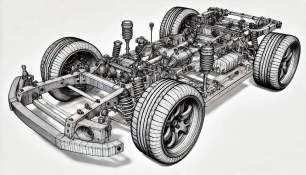 The chassis of a car is an important system of a vehicle that connects the wheels and the body, allowing safe and stable movement. It consists of various mechanisms and components that ensure the vehicle's handling, comfort and roadholding. In this article, we will provide an overview of the chassis structure and introduce in more detail important components such as wishbones, steering arm, pendulum arm, track rod, steering knuckle, hinges, bridge beam and steering rods.
... More...
The chassis of a car is an important system of a vehicle that connects the wheels and the body, allowing safe and stable movement. It consists of various mechanisms and components that ensure the vehicle's handling, comfort and roadholding. In this article, we will provide an overview of the chassis structure and introduce in more detail important components such as wishbones, steering arm, pendulum arm, track rod, steering knuckle, hinges, bridge beam and steering rods.
... More...
Car chassis and undercarriage
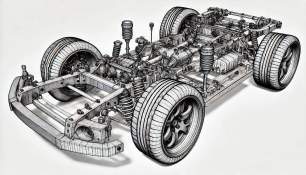 The undercarriage of a car, or car chassis and undercarriage, consists of several key components that play a role in the car's movement, appearance, and safety. It is an additional system that connects the car body to the wheels and allows the vehicle to be used and steered. The following is an overview of the main details of the undercarriage of a car.
1. Suspension system
The suspension system connects the wheels of a car to the body or frame and ensures a comfortable and stable ride. Its function is to absorb shocks and vibrations that occur on rough roads. The main elements of the suspension are:
Shock absorbers: Absorb the movement of the springs and keep the tires against the road.
Springs (coil springs or leaf springs): Hold the weight of the car and provide a smoother ride.
Control arms: Connect the wheels to the chassis and allow vertical movement.
Coupling Rod: Reduce body roll when cornering.
Bushes: Soft connections that hold parts in place and absorb vibrations.
... More...
The undercarriage of a car, or car chassis and undercarriage, consists of several key components that play a role in the car's movement, appearance, and safety. It is an additional system that connects the car body to the wheels and allows the vehicle to be used and steered. The following is an overview of the main details of the undercarriage of a car.
1. Suspension system
The suspension system connects the wheels of a car to the body or frame and ensures a comfortable and stable ride. Its function is to absorb shocks and vibrations that occur on rough roads. The main elements of the suspension are:
Shock absorbers: Absorb the movement of the springs and keep the tires against the road.
Springs (coil springs or leaf springs): Hold the weight of the car and provide a smoother ride.
Control arms: Connect the wheels to the chassis and allow vertical movement.
Coupling Rod: Reduce body roll when cornering.
Bushes: Soft connections that hold parts in place and absorb vibrations.
... More...

 The data shown here, especially the complete database of car spare parts, may not be copied. It is strictly prohibited to duplicate the data and database and distribute the same, and/or instruct third parties to engage in such activities, without prior consent from TecAlliance. Any use of content in a manner not expressly authorized constitutes copyright infringement and violators will be prosecuted.