

Filters > Fuel Filter
Pick your vehicle
Car fuel filter and replacement: A comprehensive guide
Every car owner knows that regular maintenance is crucial to ensuring the long and reliable operation of their vehicle. One often overlooked, yet extremely important component is the fuel filter. This small and often overlooked detail plays a critical role in protecting the engine from dirt, particles and other contaminants that can lead to costly repairs.

Picture. Classic car fuel filter.
This comprehensive guide is designed to explain the function of the fuel filter, symptoms of clogging, the replacement process and maintenance. We will also cover the most popular car models where fuel system sensitivity or typical faults have been observed, and provide an overview of the most popular spare part brands that guarantee quality.
What is a fuel filter and why is it important?
A fuel filter is a component designed by car manufacturers whose main function is to clean fuel (petrol or diesel) before it reaches the engine. The fuel pumped from the fuel tank inevitably contains impurities such as rust, dirt, sediment and other foreign particles that have entered it during fuel delivery, storage or refueling.
The purpose of a fuel filter is to trap these particles, ensuring that clean fuel reaches the engine. Why is it so important? Modern injection systems and high-pressure pumps, especially in diesel engines, are extremely precise and sensitive devices. Even microscopic dirt particles can damage components in the high-pressure injection system, clog injectors, cause premature wear and reduce engine efficiency. In the worst case, this can lead to complete engine failure, which is extremely expensive to repair.
A good fuel filter not only protects the engine, but also the fuel pump. The fuel pump's job is to push fuel through the filter into the engine; if the filter is clogged, the pump has to work harder, which leads to premature wear.

Picture. The fuel filter can be located in different places on different car models. In these pictures, the filter is located under the car.
Different types of fuel filters
Fuel filters vary depending on the type of fuel (petrol or diesel) and the car model. The main types are:
- Gasoline fuel filters: often made of paper or synthetic material with a filter element enclosed in a metal or plastic housing. On some models, the filter is located outside the fuel tank, in the fuel line, but on many modern gasoline-powered cars, it is integrated into the fuel pump module and located directly in the fuel tank, making it more difficult and often more expensive to replace.
- Diesel fuel filters: are usually larger and more complex in design. Diesel fuel is more sensitive to dirt and paraffin deposits, especially at low temperatures. In addition to removing dirt, diesel fuel filters must also be able to separate water from the fuel, which can cause corrosion and damage the high-pressure fuel pump. Some diesel fuel filters have an integrated water separator, water sensor and fuel heater, which prevents paraffin formation in winter. Regular filter replacement is especially important for diesel engines, as fuel cleanliness is critical to the health of the injection system (common rail).
What are the symptoms of a clogged fuel filter?
Fuel filter wear and clogging does not happen overnight; it is a gradual process. Therefore, symptoms may be subtle at first and worsen over time. If you notice the following signs on your vehicle, there is a high chance that the fuel filter needs to be replaced:
- Reduced engine performance: the car no longer accelerates as briskly as before. This is especially noticeable at high speeds or under load (for example, when driving up a hill or towing a trailer), when the engine needs more fuel, but a clogged filter restricts its access.
- Difficulty starting the engine: A clogged filter prevents fuel from reaching the engine quickly and adequately, making starting longer or more difficult. This is especially common in cold conditions where the fuel is thicker.
- Rough idle and engine shaking: When fuel access is restricted, the engine can idle unevenly. You may feel the engine vibrating or "coughing" as combustion is not optimal.
- Engine stalling while driving: In the worst case scenario, a completely clogged fuel filter can cause the engine to stall while driving due to a complete cut-off of the fuel supply. This is a dangerous situation that requires immediate attention.
- Check engine light: Modern car diagnostic systems monitor the pressure and operation of the fuel system. If the filter is clogged and the fuel pressure is too low, the diagnostic system may detect a fault and turn on the check engine light. This can be a sign of injection problems or a fuel mixture that is too "lean".
- Increased fuel consumption: Although it may seem counterintuitive, a clogged filter can actually cause increased fuel consumption. The engine control unit tries to compensate for the limited fuel supply by changing the fuel mixture and injection timing, which reduces efficiency.

Picture: Old clogged fuel filter on the left and new fuel filter on the right.
When to change the fuel filter?
The fuel filter replacement interval depends on many factors, including the car manufacturer's recommendations, fuel quality and driving conditions. Although some manufacturers recommend changing the fuel filter every 30,000 to 50,000 kilometers, this is only a general guideline. Many modern cars, especially those with gasoline engines, have this replacement interval even longer or do not have it at all if the filter is located in the fuel tank.
However, in real life, differences in fuel quality and driving conditions can significantly shorten this time. For example, poor quality fuel, frequent refueling at small or old gas stations, and driving in sandy or dusty areas can cause the filter to clog quickly.
The best way is to consult your car's owner's manual or service book for the exact manufacturer's recommendation. If this information is not available, a good rule of thumb is to change the fuel filter every 40,000 - 60,000 kilometers, or at least once every 2-3 years. For diesel engines, given the sensitivity of their injection systems, it is often recommended to change the filter more frequently, for example every 30,000 - 40,000 kilometers.
It is also important to note that some cars have a diagnostic system that monitors the fuel system and notifies you when the filter needs to be replaced. This is the best way to determine the right time.
Most common car models and their fuel system sensitivity
All cars need clean fuel, but some models have been observed to have more frequent problems with fuel system and filter maintenance. This does not mean that these models are of poor quality, but rather that their complex and precise fuel systems require special attention. Here are some examples of well-known car models and their typical faults:
- Volkswagen Group (Volkswagen Golf, Passat, Audi A4, Skoda Octavia): Many diesel engines in this group (TDI) have been found to be sensitive to fuel cleanliness in the high-pressure fuel pump. Poor quality fuel and a clogged filter can lead to premature wear or failure of the high-pressure pump. This is because particles in the fuel damage the pump components, which can in turn spread metal particles into the injection system, causing costly repairs. Regular replacement of the diesel fuel filter is essential for these models.
- BMW 3 Series and 5 Series: BMW diesel engines are known for their performance, but their complex fuel systems, especially the high-pressure fuel pump and injectors, are sensitive to fuel quality and cleanliness. A clogged fuel filter can cause loss of power, rough idling and starting problems. It is also important to ensure that the diesel fuel does not contain excessive paraffin, which can clog the filter in winter.
- Ford Focus and Ford Fiesta: On some Ford petrol models, the fuel filter is integrated into the fuel pump module in the fuel tank, making it a difficult and often overlooked maintenance task to replace. A clogged filter can cause premature fuel pump failure as the pump has to work harder to force fuel through a clogged filter. This can result in the fuel pump having to be replaced, which is significantly more expensive than replacing the filter.
- Toyota Corolla: Although Toyota is known for its reliability, even petrol versions of this model have been reported to have clogged injectors due to poor fuel quality, often caused by poor fuel filtration or dirt that has bypassed the filter. A clogged filter can lead to reduced fuel delivery, affecting engine performance and fuel economy.
- Mercedes-Benz C-Class and E-Class: Mercedes-Benz cars have precise and sophisticated fuel systems, especially their diesel engines (CDI). In these models, optimal fuel filtration is critical to the health of the injection system. A clogged fuel filter can cause diagnostic trouble codes, engine light, loss of power and starting problems. Regularly changing the diesel fuel filter is especially important, as fuel cleanliness is critical to the health of the common rail injection system.
- Volvo V70: Some Volvo models have reported symptoms such as engine difficulty starting, rough idling and loss of power if the fuel filter has not been changed for too long. For diesel engines, regular filter replacement is especially important as fuel cleanliness is critical to the health of the injection system. A clogged filter prevents sufficient and rapid fuel delivery to the engine, making starting longer or more difficult.
It is important to note that these are just examples and fuel system maintenance and fuel filter replacement are crucial for all cars, regardless of make and model.

Picture: A mechanic is changing the fuel filter on a diesel engine.
Overview of the best-known spare parts brands
When replacing a fuel filter, it is important to choose a high-quality replacement part that will ensure engine protection and reliable operation. Poor-quality filters may be made of poor-quality materials that do not provide adequate filtration, may rupture or cause fuel leaks.
To ensure quality, it is recommended to choose products from well-known and recognized spare part brands. Here is an overview of some of the most well-known spare part brands that are known for their quality:
- Mann-filter: mann-filter is one of the world's leading manufacturers of filtration products and an original equipment manufacturer (oem) supplier to many car manufacturers. their filters are known for their high filtration efficiency, durability and reliability. mann-filter fuel filters ensure engine protection and optimal performance.
- Bosch: bosch is the world's second leading supplier of automotive parts and systems. their fuel filters are developed in close cooperation with car manufacturers and meet high quality standards. bosch filters ensure efficient filtration and a reliable fuel supply to the engine.
- Mahle: mahle is known for its high-quality engine components, including filtration products. Their fuel filters are developed in close cooperation with car manufacturers and meet high quality standards. mahle filters ensure efficient filtration and a reliable fuel supply to the engine.
- Hengst: Hengst is a renowned manufacturer of filtration products, supplying filters to many car manufacturers. Their filters are known for their high filtration efficiency, durability and reliability. Hengst filters ensure engine protection and optimal performance.
- Purflux: Purflux is a well-known French manufacturer of filtration products, known for its innovative filtration technologies. Their fuel filters ensure efficient filtration and reliable fuel supply to the engine.
- Febi Bilstein: febi bilstein is a well-known german spare parts supplier that offers a wide range of filters for many car manufacturers. their filters meet high quality standards and ensure engine protection and optimal performance.
- UFI Filters: ufi filters is a well-known italian manufacturer of filtration products, known for its innovative filtration technologies. their fuel filters ensure efficient filtration and reliable fuel supply to the engine.
These are just a few examples of well-known spare part brands. When replacing the fuel filter, it is recommended to consult an auto parts dealer or qualified mechanic to choose a high-quality filter suitable for your car model.
Chemical products for fuel system maintenance
Replacing the fuel filter is the cornerstone of fuel system maintenance, but there are also chemical products that can help optimize the operation of the fuel system and prevent problems. These products are designed to be added to the fuel tank and work by improving fuel quality and cleaning the fuel system. Here are some examples of common chemical products that are suitable for fuel system maintenance:

Picture: Pouring fuel system cleaner into the fuel tank.
- Fuel system cleaners (clean the injection system, injectors and fuel lines from deposits): These cleaners are designed to be added to the fuel tank and help clean the injection system, injectors and fuel lines from deposits that are formed during fuel combustion. These products help improve engine performance, fuel economy and reduce exhaust emissions.
- Diesel fuel additives (cetane enhancers, lubricants, cold-resistant additives and moisture removers): Diesel fuel additives are designed to be added to the diesel fuel tank and help increase the cetane number, which improves engine starting and performance. These additives also contain lubricants that help protect the high-pressure fuel pump from premature wear. They also improve the cold resistance of diesel fuel, preventing the formation of paraffin in winter, and remove moisture from the fuel, preventing corrosion.
- Gasoline additives (prevent deposits, improve combustion): Gasoline additives are designed to be added to the gasoline tank and help prevent deposits on injectors and valves, improving engine performance and fuel economy. These additives also contain detergents that help clean the fuel system and improve fuel combustion.
- Water removers (helps to safely remove water from fuel): Water removers are designed to be added to the fuel tank and help to safely remove water from fuel. Water in fuel can cause corrosion in the fuel system and damage the high-pressure fuel pump. These products help to remove water from fuel, preventing problems.
- Lubricants (special products for lubricating fuel system parts): Lubricants are special products designed to be added to the fuel tank and help lubricate fuel system parts, including the fuel pump and injectors, preventing premature wear and improving engine performance.
It is important to note that the use of chemical products should be considered carefully and in accordance with the recommendations of the car manufacturer. Chemical products intended for fuel system maintenance do not replace regular fuel filter replacement, but rather are an additional measure to optimize and prevent the operation of the fuel system.
Summary and key benefits
A fuel filter is a component designed by car manufacturers, whose main function is to clean the fuel (petrol or diesel) before it reaches the engine. The purpose of a fuel filter is to trap these particles, ensuring that clean fuel reaches the engine. Why is it so important? Modern injection systems and high-pressure pumps, especially in diesel engines, are extremely precise and sensitive devices. Even microscopic dirt particles can damage components in the high-pressure injection system, clog injectors, cause premature wear and reduce engine efficiency. In the worst case, this can lead to complete engine failure, which is extremely expensive to repair.
This comprehensive guide is designed to explain the function of the fuel filter, symptoms of clogging, the replacement process and maintenance. We will also cover the most popular car models where fuel system sensitivity or typical faults have been observed, and provide an overview of the most popular spare part brands that guarantee quality.
It is important to note that these are just examples and fuel system maintenance and fuel filter replacement are crucial for all cars, regardless of make and model.
Various fuel system tools can be found here.


Why do wiper blades spoil quickly? Causes and effective solutions with deep cleaning
 Rapid wear of wiper blades is a problem that can occur even on brand new cars. If new wiper blades start to streak, leave spots on the glass or start to skip after just a few weeks or months, the fault is usually not with the product itself. Most often, the cause is invisible dirt accumulated on the surface of the windshield or the wipers are working at the wrong angle.
Below is an overview of the main causes and solutions.
... More...
Rapid wear of wiper blades is a problem that can occur even on brand new cars. If new wiper blades start to streak, leave spots on the glass or start to skip after just a few weeks or months, the fault is usually not with the product itself. Most often, the cause is invisible dirt accumulated on the surface of the windshield or the wipers are working at the wrong angle.
Below is an overview of the main causes and solutions.
... More...
fuel filters in gasoline and diesel engines – working principle, differences
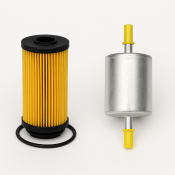 The fuel filter is an important part of any car's fuel system, whether it's a petrol or diesel engine . Its job is to remove dirt, rust particles, water particles and other contaminants from the fuel before it reaches the engine. Cleaner fuel ensures smoother operation, better performance, less wear and longer engine life . In this article, we will look at how fuel filters work, what are the differences between gasoline and diesel engine filters, and we will also give examples from well-known car brands such as Audi, BMW, Mercedes-Benz, Volkswagen, Toyota, Volvo, Ford, Škoda, and Honda . why is a fuel filter needed? Fuel often contains: dust and dirt, rust particles from the tank, micro debris from the pipeline, water from condensation. If these particles reach the fuel pump or injectors, they can become clogged, worn out or damaged . This is why the filter plays a critical role in modern engines – especially diesel engines , where the pressure is very high. fuel filter construction and operating principle Although the shape and location of the filters may vary by brand, the principle of operation is the same: fuel enters the filter. A filter element (usually paper, multi-layer fabric or synthetic material) traps dirt. Diesel filters also remove water , for which they often have a water separation bag and, on some brands, a sensor. The cleaned fuel moves on to the pump and injectors. fuel filter on a gasoline engine characteristics: usually of simpler construction than diesel filters. are often located near the tank, in the piping or on the pump (in modern cars inside the tank – “fuel filter module”). designed to remove dirt and small particles. Examples of well-known car brands: Volkswagen Golf, Toyota Avensis, Ford Focus, Honda Civic – filters are usually located in the fuel tank in the pump module. BMW and Mercedes-Benz gasoline engines often use integrated filters that are replaced less frequently. replacement interval: usually 60,000 – 120,000 km depending on the brand. fuel filter on a diesel engine A diesel filter is significantly more complex because in a diesel system, high-pressure pumps and injectors are sensitive to even microscopic particles . features: dirt filtration separation of water from fuel some models have a heating element to prevent waxing in cold weather water drain valve or water level sensor (e.g. Audi, Mercedes, Volvo) Examples of well-known car brands: Audi A4, Volkswagen Passat, Škoda Octavia TDI – the filter has a water sensor and heating. BMW 320d, X5 – use elements with a very fine filtration level. Mercedes-Benz CDI engines – heated metal housing filters. Toyota Land Cruiser, Hilux – filters have a hand pump (primer) and a separate water separation canister. replacement interval: usually 20,000 – 40,000 km , in some cases 60,000 km. It is recommended to change more frequently in the Estonian climate and when using lower quality diesel fuel. main differences between gasoline and diesel filters characteristic gasoline filter diesel filter filtration accuracy average very high (up to 2–5 microns) removes water usually not yes, necessary location often inside the tank in the engine compartment or filter block exchange rate less often more frequent construction easier more complex, heated, with sensors The high-pressure system of diesel engines requires extremely clean fuel , which is why their filters are much more sensitive. fuel filter faults and symptoms 1. power loss A black filter restricts fuel flow – especially noticeable when accelerating. 2. uneven engine operation the engine may misfire, sputter, or even stall. 3. Difficult to start especially on diesel engines (water accumulation in the filter). 4. high fuel consumption because the engine is not working optimally. 5. check engine light On many newer cars, the fuel pressure sensor indicates a pressure problem. When should I replace the fuel filter? Follow the car manufacturer's maintenance schedule (BMW, Audi and Mercedes recommend specific intervals). Change the filter more often if you use cheaper or lower-quality fuel. It is recommended to change the filter on a diesel engine before winter to prevent the formation of paraffin crystals. summary The fuel filter is a small but critical component that directly affects a car's engine, fuel economy, and reliability.
... More...
The fuel filter is an important part of any car's fuel system, whether it's a petrol or diesel engine . Its job is to remove dirt, rust particles, water particles and other contaminants from the fuel before it reaches the engine. Cleaner fuel ensures smoother operation, better performance, less wear and longer engine life . In this article, we will look at how fuel filters work, what are the differences between gasoline and diesel engine filters, and we will also give examples from well-known car brands such as Audi, BMW, Mercedes-Benz, Volkswagen, Toyota, Volvo, Ford, Škoda, and Honda . why is a fuel filter needed? Fuel often contains: dust and dirt, rust particles from the tank, micro debris from the pipeline, water from condensation. If these particles reach the fuel pump or injectors, they can become clogged, worn out or damaged . This is why the filter plays a critical role in modern engines – especially diesel engines , where the pressure is very high. fuel filter construction and operating principle Although the shape and location of the filters may vary by brand, the principle of operation is the same: fuel enters the filter. A filter element (usually paper, multi-layer fabric or synthetic material) traps dirt. Diesel filters also remove water , for which they often have a water separation bag and, on some brands, a sensor. The cleaned fuel moves on to the pump and injectors. fuel filter on a gasoline engine characteristics: usually of simpler construction than diesel filters. are often located near the tank, in the piping or on the pump (in modern cars inside the tank – “fuel filter module”). designed to remove dirt and small particles. Examples of well-known car brands: Volkswagen Golf, Toyota Avensis, Ford Focus, Honda Civic – filters are usually located in the fuel tank in the pump module. BMW and Mercedes-Benz gasoline engines often use integrated filters that are replaced less frequently. replacement interval: usually 60,000 – 120,000 km depending on the brand. fuel filter on a diesel engine A diesel filter is significantly more complex because in a diesel system, high-pressure pumps and injectors are sensitive to even microscopic particles . features: dirt filtration separation of water from fuel some models have a heating element to prevent waxing in cold weather water drain valve or water level sensor (e.g. Audi, Mercedes, Volvo) Examples of well-known car brands: Audi A4, Volkswagen Passat, Škoda Octavia TDI – the filter has a water sensor and heating. BMW 320d, X5 – use elements with a very fine filtration level. Mercedes-Benz CDI engines – heated metal housing filters. Toyota Land Cruiser, Hilux – filters have a hand pump (primer) and a separate water separation canister. replacement interval: usually 20,000 – 40,000 km , in some cases 60,000 km. It is recommended to change more frequently in the Estonian climate and when using lower quality diesel fuel. main differences between gasoline and diesel filters characteristic gasoline filter diesel filter filtration accuracy average very high (up to 2–5 microns) removes water usually not yes, necessary location often inside the tank in the engine compartment or filter block exchange rate less often more frequent construction easier more complex, heated, with sensors The high-pressure system of diesel engines requires extremely clean fuel , which is why their filters are much more sensitive. fuel filter faults and symptoms 1. power loss A black filter restricts fuel flow – especially noticeable when accelerating. 2. uneven engine operation the engine may misfire, sputter, or even stall. 3. Difficult to start especially on diesel engines (water accumulation in the filter). 4. high fuel consumption because the engine is not working optimally. 5. check engine light On many newer cars, the fuel pressure sensor indicates a pressure problem. When should I replace the fuel filter? Follow the car manufacturer's maintenance schedule (BMW, Audi and Mercedes recommend specific intervals). Change the filter more often if you use cheaper or lower-quality fuel. It is recommended to change the filter on a diesel engine before winter to prevent the formation of paraffin crystals. summary The fuel filter is a small but critical component that directly affects a car's engine, fuel economy, and reliability.
... More...
Car fuel filter replacement: comprehensive guide and tips
 The fuel filter is one of the most critical, yet often overlooked, components of a car's fuel system. Its main function is to trap dirt particles, sediment, rust particles and water in the fuel before they reach the engine, specifically the fuel pump and injectors. Clean fuel is essential for the engine to run efficiently and smoothly. Regular fuel filter replacement is therefore an investment in the longevity and reliability of the engine, preventing expensive repairs in the future.
... More...
The fuel filter is one of the most critical, yet often overlooked, components of a car's fuel system. Its main function is to trap dirt particles, sediment, rust particles and water in the fuel before they reach the engine, specifically the fuel pump and injectors. Clean fuel is essential for the engine to run efficiently and smoothly. Regular fuel filter replacement is therefore an investment in the longevity and reliability of the engine, preventing expensive repairs in the future.
... More...
 The data shown here, especially the complete database of car spare parts, may not be copied. It is strictly prohibited to duplicate the data and database and distribute the same, and/or instruct third parties to engage in such activities, without prior consent from TecAlliance. Any use of content in a manner not expressly authorized constitutes copyright infringement and violators will be prosecuted.