

Mixture Formation > Fuel Injection Pump/High Pressure Pump
Pick your vehicle
Car High-Pressure Pump: Function, Operation, and Maintenance
A high-pressure pump is an essential component in modern vehicles, particularly in diesel engines, where it plays a critical role in the fuel injection system. Its primary function is to pressurize the fuel to a level suitable for efficient injection into the combustion chamber, ensuring optimal engine performance, fuel efficiency, and reduced emissions. This article will explore what a high-pressure pump is, how it works, common issues that can arise, and the importance of proper maintenance.
What is a High-Pressure Pump?
A high-pressure pump is a mechanical or electric device used to increase the pressure of fuel, typically diesel, before it enters the fuel injectors in an internal combustion engine. These pumps are commonly found in diesel engines, where precise fuel delivery is required for efficient combustion. The high pressure ensures that the fuel is atomized correctly when injected into the combustion chamber, promoting better fuel combustion, power output, and lower emissions.
High-pressure pumps can either be standalone components or integrated into a larger fuel system, and they are typically connected to the fuel tank, injectors, and sometimes the turbocharger system. In modern vehicles, especially with common rail systems, high-pressure pumps are often electronically controlled, allowing for more accurate fuel delivery.
How Does a High-Pressure Pump Work?
The high-pressure pump works by taking fuel from the fuel tank and increasing its pressure to levels that can effectively atomize it for combustion. The operation of a high-pressure pump can be broken down into the following steps:
-
Fuel Intake: The pump draws fuel from the vehicle’s fuel tank. In diesel engines, the pump is responsible for making sure the fuel reaches the injection system at the correct pressure.
-
Pressurization: The core function of the high-pressure pump is to pressurize the fuel. Depending on the system, this pressure can range anywhere from 2,000 to 30,000 psi (pounds per square inch). The high pressure is needed for the fuel to be injected into the engine cylinders in a fine mist or spray for better combustion.
-
Fuel Delivery: Once the fuel is pressurized, it is routed to the fuel injectors. In diesel engines, the fuel injectors then spray the high-pressure fuel into the combustion chamber, where it mixes with air and ignites to produce power. The precise timing and volume of fuel injected are essential for efficient engine performance.
-
Control Mechanism: In modern vehicles, the high-pressure pump is often electronically controlled. Sensors within the pump system, such as pressure and flow sensors, send data to the Engine Control Unit (ECU). The ECU adjusts the pump's output based on engine load, speed, and other factors, ensuring the engine receives the correct amount of fuel under different driving conditions.
Common Problems with High-Pressure Pumps
While high-pressure pumps are designed to be durable and efficient, they can still experience wear and tear over time. Several common issues can affect their performance:
-
Fuel Contamination: The most common cause of high-pressure pump failure is fuel contamination. Diesel fuel can sometimes contain dirt, water, or other impurities that can clog the pump or damage internal components. Contaminants can cause the pump to work harder than necessary, leading to premature wear or failure.
-
Pump Wear: Like any mechanical component, high-pressure pumps can wear out over time. Regular use, especially in harsh conditions, can cause the internal parts to degrade. If the pump loses its ability to generate the required pressure, the engine may not receive enough fuel for optimal performance.
-
Electronic Failures: Modern high-pressure pumps often rely on electronic components to regulate fuel pressure. Failures in sensors, control modules, or wiring can lead to improper fuel delivery, causing poor engine performance, misfires, or even engine stalling.
-
Leaks: A high-pressure fuel pump can develop leaks in the fuel system. If there are fuel leaks, it can lead to a drop in pressure, affecting the overall performance of the engine and potentially causing fuel wastage or even fire hazards in extreme cases.
-
Injector Issues: A malfunctioning high-pressure pump can also lead to issues with the fuel injectors. If the pump isn’t delivering the correct pressure, the injectors may fail to atomize the fuel properly, which can result in poor fuel combustion, increased emissions, and reduced power.
Maintenance of a High-Pressure Pump
Regular maintenance and proper care of the high-pressure pump are crucial to ensuring the long life and efficiency of the system. Here are some maintenance tips:
-
Use High-Quality Fuel: One of the best ways to protect the high-pressure pump is to use high-quality fuel. Ensure that the fuel you use is free from contaminants like water, dirt, or other particles. If you suspect that your fuel may be contaminated, it’s best to address the issue immediately to prevent damage to the pump.
-
Change Fuel Filters Regularly: Fuel filters are designed to catch contaminants before they can reach the high-pressure pump. It’s essential to replace the fuel filter according to the manufacturer’s recommended maintenance schedule. A clogged or dirty filter can cause the pump to overwork and lead to potential damage.
-
Monitor Fuel Pressure: Keep an eye on the fuel pressure in the system. Many modern vehicles have sensors that monitor fuel pressure, and the results are often displayed on the dashboard. If the pressure is too low or too high, it could indicate a problem with the high-pressure pump.
-
Listen for Unusual Noises: Unusual noises from the high-pressure pump, such as whining or grinding, could indicate internal damage or wear. If you hear strange sounds, it’s essential to have the pump inspected by a professional mechanic as soon as possible.
-
Avoid Using Additives: Some fuel additives may cause harm to the high-pressure pump and other fuel system components. Always check the manufacturer's recommendations before using any fuel additives.
-
Perform Regular Engine Diagnostics: Regular diagnostics can help detect any issues with the fuel system, including the high-pressure pump, before they become serious problems. If you notice a drop in engine performance, poor fuel economy, or an increase in emissions, it could be a sign that the high-pressure pump needs attention.
Conclusion
The high-pressure pump is a vital component of modern vehicles, especially in diesel engines. It ensures that fuel is delivered to the engine at the correct pressure, which is essential for optimal engine performance, fuel efficiency, and lower emissions. Although high-pressure pumps are designed for durability, regular maintenance and attention to issues like fuel contamination, wear, and leaks are necessary to keep the system functioning efficiently. By following proper maintenance practices and monitoring the health of the high-pressure pump, vehicle owners can ensure the longevity and reliable performance of their engine's fuel delivery system.
Common Rail injection system
 Common Rail is a modern fuel injection system used mainly in diesel engines, but also in some gasoline engines (direct injection systems).
... More...
Common Rail is a modern fuel injection system used mainly in diesel engines, but also in some gasoline engines (direct injection systems).
... More...
Car fuel system: Overview and comparison of gasoline and diesel engines
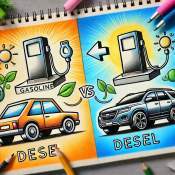 The fuel system of a car is an important part of the engine system, ensuring that fuel moves from the tank to the engine and is burned efficiently. The efficiency of the fuel system directly affects the vehicle's performance, fuel economy and environmental impact. Depending on the type of engine - whether a gasoline engine or a diesel engine - the operating principles and advantages of fuel systems are different.
Functions and components of a car's fuel system
Main features:
Fuel transport: The fuel pump delivers fuel from the tank to the engine.
Fuel cleaning: The fuel filter removes dirt and impurities that can damage the system.
Fuel metering: The system ensures that the correct amount of fuel is delivered according to the engine load and speed.
Fuel preparation for combustion: The fuel that reaches the engine is mixed with air to achieve optimal combustion.
... More...
The fuel system of a car is an important part of the engine system, ensuring that fuel moves from the tank to the engine and is burned efficiently. The efficiency of the fuel system directly affects the vehicle's performance, fuel economy and environmental impact. Depending on the type of engine - whether a gasoline engine or a diesel engine - the operating principles and advantages of fuel systems are different.
Functions and components of a car's fuel system
Main features:
Fuel transport: The fuel pump delivers fuel from the tank to the engine.
Fuel cleaning: The fuel filter removes dirt and impurities that can damage the system.
Fuel metering: The system ensures that the correct amount of fuel is delivered according to the engine load and speed.
Fuel preparation for combustion: The fuel that reaches the engine is mixed with air to achieve optimal combustion.
... More...
Overview of Car Fuel System Injector and Injector Construction
 Car fuel injector construction
The fuel system is one of the most important components in any internal combustion engine vehicle. It ensures that the engine receives the required amount of fuel in the right form to operate efficiently and in an environmentally friendly manner. The fuel injector is the central part of this system, responsible for the precise and timely injection of fuel into the engine.
What is a Fuel Injector?
A fuel injector is a device that controls the precise delivery of fuel into the engine. The injector’s purpose is to atomize the fuel into a fine mist to ensure efficient and uniform combustion within the internal combustion engine. Fuel injectors are usually located directly in the intake system, and in some cases, directly in the intake ports, where they spray fuel mixed with air.
The function of a fuel injector is to ensure that the engine receives the right amount of fuel at the right time to produce the necessary energy. Additionally, the injector helps control fuel consumption and emission levels, making it a critical component for engine efficiency and environmental sustainability.
... More...
Car fuel injector construction
The fuel system is one of the most important components in any internal combustion engine vehicle. It ensures that the engine receives the required amount of fuel in the right form to operate efficiently and in an environmentally friendly manner. The fuel injector is the central part of this system, responsible for the precise and timely injection of fuel into the engine.
What is a Fuel Injector?
A fuel injector is a device that controls the precise delivery of fuel into the engine. The injector’s purpose is to atomize the fuel into a fine mist to ensure efficient and uniform combustion within the internal combustion engine. Fuel injectors are usually located directly in the intake system, and in some cases, directly in the intake ports, where they spray fuel mixed with air.
The function of a fuel injector is to ensure that the engine receives the right amount of fuel at the right time to produce the necessary energy. Additionally, the injector helps control fuel consumption and emission levels, making it a critical component for engine efficiency and environmental sustainability.
... More...
Car high-pressure pump: repair, typical faults and maintenance
 car high pressure pump: complete technical guide, typical faults and maintenance
Modern internal combustion engines are technological marvels, capable of delivering impressive power and torque while consuming incredibly little fuel and keeping emissions to a minimum. Much of this achievement is due to one critical and highly precise component: the high-pressure fuel pump (HPFP). Whether you have a modern common rail diesel engine or a direct injection petrol engine under your bonnet, the high-pressure fuel pump is the absolute heart of the system.
... More...
car high pressure pump: complete technical guide, typical faults and maintenance
Modern internal combustion engines are technological marvels, capable of delivering impressive power and torque while consuming incredibly little fuel and keeping emissions to a minimum. Much of this achievement is due to one critical and highly precise component: the high-pressure fuel pump (HPFP). Whether you have a modern common rail diesel engine or a direct injection petrol engine under your bonnet, the high-pressure fuel pump is the absolute heart of the system.
... More...
 The data shown here, especially the complete database of car spare parts, may not be copied. It is strictly prohibited to duplicate the data and database and distribute the same, and/or instruct third parties to engage in such activities, without prior consent from TecAlliance. Any use of content in a manner not expressly authorized constitutes copyright infringement and violators will be prosecuted.