

Lighting > Headlamp
Pick your vehicle
Car Headlamp: Function, Types, and Maintenance
The car headlamp is one of the most crucial components of a vehicle's lighting system. It plays a vital role in ensuring both the driver’s safety and the safety of others on the road. Whether it's driving at night, in foggy conditions, or in low visibility environments, the headlamp helps the driver see the road ahead and makes the vehicle visible to others. This article will explore the different functions of car headlamps, the various types available, and maintenance tips to keep them working efficiently.
What is a Car Headlamp?
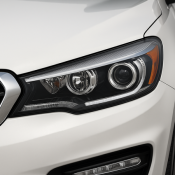
A car headlamp is a powerful light fixture mounted at the front of the vehicle, primarily designed to illuminate the road ahead. Headlamps are critical for night driving and poor visibility conditions, helping the driver spot obstacles, pedestrians, or other vehicles. They also make the vehicle visible to other road users, thus reducing the likelihood of accidents.
Most modern vehicles are equipped with headlamps that offer a range of features like high and low beams, fog lights, and automatic adjustments to improve road visibility and driving comfort.

Functions of a Car Headlamp
-
Road Illumination: The primary purpose of a headlamp is to light up the road ahead, allowing the driver to see potential hazards, road signs, and other vehicles. The ability to adjust the intensity and range of light through different beam settings is crucial for nighttime driving.
-
Visibility to Other Drivers: Headlamps make the vehicle visible to other road users, especially in dark or low-visibility situations. This is vital for ensuring that other drivers are aware of your vehicle’s presence, reducing the risk of collisions.
-
Different Beam Settings: Most car headlamps offer two primary beam settings:
- Low Beam: Provides a shorter, more focused light designed to illuminate the road directly in front of the car without blinding oncoming drivers. Low beams are used when driving in traffic or in normal nighttime conditions.
- High Beam: Provides a stronger, more distant light. High beams are used when driving in rural or dark areas with little to no traffic, allowing the driver to see further ahead.
-
Additional Features:
- Fog Lights: Positioned lower on the vehicle, fog lights are used in foggy or misty conditions to provide a wide, low-intensity light that reduces the chances of glare.
- Daytime Running Lights (DRL): These are lights that automatically turn on when the car is in operation during the day, helping increase the vehicle's visibility to other road users.
Types of Car Headlamps
The technology used in car headlamps has evolved significantly over the years. Today, there are several different types of headlamps, each offering distinct advantages in terms of brightness, energy efficiency, and lifespan:
-
Halogen Headlamps:
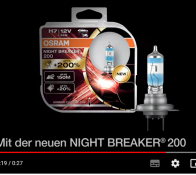
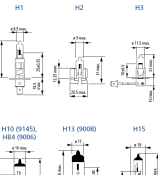
- Halogen lamps are the most common type of headlamp found in vehicles today. They are relatively affordable and easy to replace. Halogen headlamps use a tungsten filament and halogen gas inside a bulb to produce light. They are known for providing a warm, yellowish light.
- While halogen headlamps are widely available and inexpensive, they tend to have a shorter lifespan and are less energy-efficient compared to newer technologies.
-
Xenon (HID) Headlamps:
- Xenon or High-Intensity Discharge (HID) headlamps produce a much brighter and more intense light than halogen lamps. These lights use xenon gas and a high-voltage arc to generate light.
- Xenon lights are more energy-efficient, have a longer lifespan, and provide a whiter, bluish light that improves visibility. However, they are typically more expensive and may require a special ballast to operate.
-
LED Headlamps:
- LED (Light Emitting Diode) headlamps are the most advanced technology available today. They are highly energy-efficient, long-lasting, and produce bright, clear white light. LED headlamps are also more compact and can be designed with multiple lighting elements to create a more intricate light pattern.
- LED lights have an extended lifespan compared to both halogen and Xenon lamps, and they are less prone to overheating, making them ideal for modern vehicles. They also consume less power, which can result in better fuel efficiency.
-
Laser Headlamps:
- Laser headlamps are a newer, cutting-edge technology, offering a more focused and intense beam of light than both Xenon and LED headlamps. They can provide a very long range of illumination, up to several hundred meters.
- Laser headlamps are typically found in high-end luxury vehicles and are still relatively rare. They are incredibly efficient but also come at a high price.
Common Problems with Car Headlamps
Although headlamps are built to last, they can sometimes develop issues over time. Some of the most common problems include:
-
Dim or Flickering Lights:
- If a headlamp appears dim or flickers, the problem may be caused by a faulty bulb, a poor connection, or issues with the vehicle’s electrical system. It’s essential to have the headlamp checked and replaced if necessary.
-
Burnt-Out Bulbs:
- Car headlamp bulbs, especially halogen ones, have a limited lifespan. If a bulb burns out, it’s crucial to replace it promptly to maintain visibility and safety on the road.
-
Foggy or Cloudy Lenses:
- Over time, the lenses of the headlamps may become foggy, yellowed, or scratched due to exposure to the elements. This can reduce the intensity and quality of the light output. In such cases, headlamp restoration kits can be used to polish the lens, or the lenses may need to be replaced.
-
Misaligned Headlamps:
- Misaligned headlamps can be dangerous, as they may blind other drivers or fail to illuminate the road properly. Headlamps may become misaligned due to impacts or wear and tear. Regular alignment checks can help avoid this problem.
-
Water or Moisture Inside the Headlamp:
- If moisture accumulates inside the headlamp casing, it can lead to electrical issues or bulb failure. This is often due to a damaged seal or cracked casing. In such cases, the headlamp may need to be resealed or replaced.
Car Headlamp Maintenance Tips
Proper maintenance of car headlamps can ensure their longevity and performance. Here are some useful tips:
-
Regularly Inspect Your Headlamps: Check your headlamps frequently for any signs of damage, such as cracks, moisture buildup, or dimming lights. Early detection of problems can prevent more serious issues down the line.
-
Clean Your Headlamp Lenses: Dust, dirt, and grime can accumulate on the headlamp lenses, reducing the effectiveness of the light. Clean the lenses regularly using a mild soap solution and a soft cloth. Avoid using harsh chemicals that could scratch the surface.
-
Replace Burnt-Out Bulbs Promptly: If one of your headlamp bulbs goes out, replace it as soon as possible to avoid driving with inadequate lighting. Ensure you replace bulbs with the correct type and wattage specified by the manufacturer.
-
Ensure Proper Alignment: Headlamps should be properly aligned to avoid blinding other drivers and ensure proper illumination of the road. If you notice any misalignment, have your headlamps adjusted by a professional.
-
Check for Water Leaks: If you notice moisture inside the headlamp casing, inspect the seals for any damage. Leaks can cause electrical issues and damage the bulb, so it's important to address them immediately.
Conclusion
The car headlamp is a vital safety feature that ensures optimal visibility for drivers and allows other road users to see your vehicle. With advancements in technology, modern headlamps are now brighter, more energy-efficient, and longer-lasting than ever before. Regular maintenance and timely repairs will help extend the life of your headlamps, ensuring your safety and the safety of others on the road. Whether you’re using halogen, Xenon, LED, or laser technology, keeping your car’s headlamps in good working condition is essential for safe and effective driving.



Why do wiper blades spoil quickly? Causes and effective solutions with deep cleaning
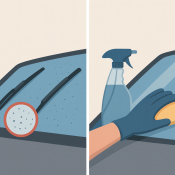 Rapid wear of wiper blades is a problem that can occur even on brand new cars. If new wiper blades start to streak, leave spots on the glass or start to skip after just a few weeks or months, the fault is usually not with the product itself. Most often, the cause is invisible dirt accumulated on the surface of the windshield or the wipers are working at the wrong angle.
Below is an overview of the main causes and solutions.
... More...
Rapid wear of wiper blades is a problem that can occur even on brand new cars. If new wiper blades start to streak, leave spots on the glass or start to skip after just a few weeks or months, the fault is usually not with the product itself. Most often, the cause is invisible dirt accumulated on the surface of the windshield or the wipers are working at the wrong angle.
Below is an overview of the main causes and solutions.
... More...
 The data shown here, especially the complete database of car spare parts, may not be copied. It is strictly prohibited to duplicate the data and database and distribute the same, and/or instruct third parties to engage in such activities, without prior consent from TecAlliance. Any use of content in a manner not expressly authorized constitutes copyright infringement and violators will be prosecuted.