

Steering > Steering Column
Pick your vehicle
important parts of a car's steering system: steering column, steering linkages, steering rack and steering shaft
introduction
The steering system of a car is one of the most important components that ensures the vehicle's controllability and stability. A well-functioning steering system allows the driver to smoothly and accurately control the direction of movement of the vehicle. In this article, we will discuss the main components of the steering system, such as the steering column, steering shaft joints (joints), steering rack and steering shaft (steering spindle) , their functions and the need for maintenance.

1. steering column
2. steering shaft joints
3. steering gear
4. steering shaft
drawing of steering system parts.
1. steering column
The steering column is an important part of the steering system that connects the steering wheel to the steering shaft and helps transmit the driver's movement to the steering system.
steering column functions:
- support and connection: holds the steering wheel in place and connects it to the steering system.
- motion transmission: transfers the driver's steering wheel rotation to the steering rack via the steering shaft.
- Safety: In the event of a collision, the steering column is equipped with a collapsible mechanism, which reduces the risk of injury.
Signs of a faulty steering column:
- The steering wheel has excessive play or vibration.
- The steering wheel turns hard or unevenly.
- I hear rattling or creaking noises in the steering system area.
care tips:
- Regularly check the steering column mounting points.
- Make sure the components inside the steering column are working smoothly.
2. steering shaft joints (joints steering shaft)
Steering shaft joints , also known as joints or U-joints, ensure smooth movement and connection between the various parts of the steering system.

features:
- Motion transmission: allow the steering system to rotate at different angles.
- flexibility: ensure a smooth connection between the steering shaft and the steering rack, even at uneven angles.
- Vibration damping: reduces the transmission of road surface impacts to the steering wheel.
Signs of a faulty joint:
- Clicks or rattles when turning the steering wheel.
- difficulty turning the steering wheel.
- joint stiffness or excessive looseness.
Replacement steps:
- Lift the car to access the joint area.
- Remove the mounting bolts and the old hinge.
- Install the new hinge and tighten the bolts securely.
- test the steering wheel for smooth operation.
3. steering gear
The steering rack is the central part of the steering system that directs the movement of the steering wheel to turn the wheels.
features:
- Torque transmission: converts steering wheel torque into force that turns the front wheels.
- Steering support: ensures precise and smooth vehicle steering.
- damping: reduces the impact of road surface shocks and vibrations on the steering system.
Signs of a faulty steering rack:
- difficult or irregular steering wheel turning.
- steering wheel return delay.
- oil leaks in the steering column area.
care tips:
- Regularly check the steering shaft and steering rack connections.
- top up power steering fluid as needed and monitor for leaks.
4. steering shaft
The steering shaft connects the steering column to the steering rack or steering box, accurately transmitting the driver's movement to the steering system.

features:
- motion transmission: transmits the torque from the steering wheel to the steering rack.
- Vibration reduction: Some steering shafts include dampers that reduce vibration and shock.
- Safety: In the event of a collision, the collapsible steering shaft can reduce the risk of injury.
Signs of a faulty steering shaft:
- The steering wheel is difficult to turn.
- Rattling or knocking sounds when turning the steering wheel.
- excessive play in the steering system.
Replacement steps:
- disconnect the battery to avoid electrical problems.
- remove components that are obstructing the steering system.
- Install the new steering shaft and secure it securely.
- Test the steering wheel for proper operation before final installation.
summary
The steering system of a car consists of several important components, such as the steering column, steering linkages, steering rack and steering shaft , which ensure smooth handling and safety. Regular maintenance and early detection of problems help avoid expensive repairs and ensure the long-term reliability of the vehicle. If you notice stiffness, rattling or looseness in the steering system, it is important to resolve the problems quickly.
Car chassis construction and parts
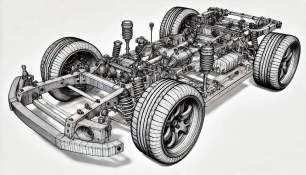 The chassis of a car is an important system of a vehicle that connects the wheels and the body, allowing safe and stable movement. It consists of various mechanisms and components that ensure the vehicle's handling, comfort and roadholding. In this article, we will provide an overview of the chassis structure and introduce in more detail important components such as wishbones, steering arm, pendulum arm, track rod, steering knuckle, hinges, bridge beam and steering rods.
... More...
The chassis of a car is an important system of a vehicle that connects the wheels and the body, allowing safe and stable movement. It consists of various mechanisms and components that ensure the vehicle's handling, comfort and roadholding. In this article, we will provide an overview of the chassis structure and introduce in more detail important components such as wishbones, steering arm, pendulum arm, track rod, steering knuckle, hinges, bridge beam and steering rods.
... More...
Car chassis and undercarriage
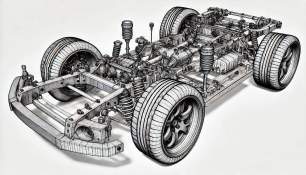 The undercarriage of a car, or car chassis and undercarriage, consists of several key components that play a role in the car's movement, appearance, and safety. It is an additional system that connects the car body to the wheels and allows the vehicle to be used and steered. The following is an overview of the main details of the undercarriage of a car.
1. Suspension system
The suspension system connects the wheels of a car to the body or frame and ensures a comfortable and stable ride. Its function is to absorb shocks and vibrations that occur on rough roads. The main elements of the suspension are:
Shock absorbers: Absorb the movement of the springs and keep the tires against the road.
Springs (coil springs or leaf springs): Hold the weight of the car and provide a smoother ride.
Control arms: Connect the wheels to the chassis and allow vertical movement.
Coupling Rod: Reduce body roll when cornering.
Bushes: Soft connections that hold parts in place and absorb vibrations.
... More...
The undercarriage of a car, or car chassis and undercarriage, consists of several key components that play a role in the car's movement, appearance, and safety. It is an additional system that connects the car body to the wheels and allows the vehicle to be used and steered. The following is an overview of the main details of the undercarriage of a car.
1. Suspension system
The suspension system connects the wheels of a car to the body or frame and ensures a comfortable and stable ride. Its function is to absorb shocks and vibrations that occur on rough roads. The main elements of the suspension are:
Shock absorbers: Absorb the movement of the springs and keep the tires against the road.
Springs (coil springs or leaf springs): Hold the weight of the car and provide a smoother ride.
Control arms: Connect the wheels to the chassis and allow vertical movement.
Coupling Rod: Reduce body roll when cornering.
Bushes: Soft connections that hold parts in place and absorb vibrations.
... More...

Why do wiper blades spoil quickly? Causes and effective solutions with deep cleaning
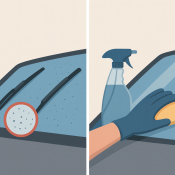 Rapid wear of wiper blades is a problem that can occur even on brand new cars. If new wiper blades start to streak, leave spots on the glass or start to skip after just a few weeks or months, the fault is usually not with the product itself. Most often, the cause is invisible dirt accumulated on the surface of the windshield or the wipers are working at the wrong angle.
Below is an overview of the main causes and solutions.
... More...
Rapid wear of wiper blades is a problem that can occur even on brand new cars. If new wiper blades start to streak, leave spots on the glass or start to skip after just a few weeks or months, the fault is usually not with the product itself. Most often, the cause is invisible dirt accumulated on the surface of the windshield or the wipers are working at the wrong angle.
Below is an overview of the main causes and solutions.
... More...
 The data shown here, especially the complete database of car spare parts, may not be copied. It is strictly prohibited to duplicate the data and database and distribute the same, and/or instruct third parties to engage in such activities, without prior consent from TecAlliance. Any use of content in a manner not expressly authorized constitutes copyright infringement and violators will be prosecuted.