

Wheel Hub/Mounting > Wheel Hub
Pick your vehicle
car wheel hub: function, operating principle and maintenance
A car's wheel hub is an important part of the vehicle's wheel mounting system, which is responsible for ensuring that the wheels remain securely and stably in place. Although this detail may not receive daily attention, the wheel hub plays a major role in ensuring the safety and smooth movement of the vehicle. In this article, we will look at the function of the wheel hub, its working principle, common faults and maintenance recommendations.
What is a car wheel hub?
A wheel hub is a component to which the rim of a vehicle's wheel is attached. It connects the wheel axle, brake system, and drive shaft, allowing the wheel to rotate and supporting the entire weight of the vehicle. Many cars also have a brake disc or brake drum attached to the wheel hub.
The wheel hub ensures that the wheel rotates freely and smoothly without excessive friction. It is made of strong metal, usually steel or aluminum alloy, to withstand the heavy loads and impacts that occur during driving.

wheel hub working principle
The wheel hub acts as the mechanism through which the wheel rotates. It connects the rotating wheel to the axle and ensures power transmission and stable movement of the wheel. The wheel hub usually also contains a hub bearing , which allows the wheel to rotate smoothly.
-
Ensuring attachment : The wheel hub connects the wheel rim to the axle, holding the wheel securely in place. All rotational and motion forces of the wheel are transmitted through the wheel hub, making its strength and precision extremely important.
-
Transmission of rotation and power : The torque from the engine is transmitted via the drive shaft to the wheel hub, which in turn causes the wheel to rotate. In front- or rear-wheel drive cars, it plays a central role in the operation of the powertrain.
-
Part of the brake system : The wheel hub is often the load-bearing element of the brake system to which the brake disc or drum is attached. Through it, the braking force is transmitted directly to the wheel, allowing for effective and stable braking.
common problems with wheel hubs
Although the wheel hub is generally very durable, over time it can develop wear and damage that affects the driving stability and safety of the car. The most common faults are as follows:
-
Wear : The bearing inside the wheel hub can wear out over time, causing a grinding or grinding sound while driving. A worn bearing or hub can make the wheel spin unevenly and affect handling.
-
Corrosion and rust : Due to moisture and road salt, the wheel hub can rust over time. Rust damages the metal surface and can cause the wheel to come off or the brake system to malfunction.
-
Wheel loosening risk : If the wheel hub or wheel bolts are damaged or incorrectly tightened, the wheel may not be securely attached. This is very dangerous and can lead to loss of control of the vehicle.
-
Brake system problems : If the wheel hub is warped, damaged, or the bearing is loose, it can affect the alignment of the brake disc, causing vibration and uneven braking.
How to maintain and replace a wheel hub?
Regular inspection and maintenance of the wheel hub ensures the stability and safety of the vehicle. Follow these recommendations:
-
Regular inspection : Check the condition of the wheel hub and bearings during each maintenance or tire change. Noise, vibration or rattling may indicate wear or damage.
-
Brake system monitoring : Check that the brake disc or drum is properly aligned with the wheel hub. Uneven braking may indicate a problem with the hub or bearings.
-
Proper lubrication : If the wheel hub uses a greased bearing, the lubricant must be replaced in a timely manner. Dry or black lubricant will cause friction and rapid wear of the bearing.
-
Preventing rust and corrosion : When driving in wet or salty conditions, clean the wheel hub and brake parts regularly and use anti-corrosion agents if necessary.
-
Professional replacement : If the wheel hub is damaged or the bearing is worn, it should be replaced with a new one. Replacement requires special tools and precision, so it is recommended to have the job done by an experienced mechanic.
summary
The wheel hub is one of the main elements of the vehicle wheel attachment and rotation, the correct operation of which ensures the stability, handling and safety of the car. Regular inspection, bearing maintenance and anti-corrosion protection help prevent serious damage. If you notice unusual sounds, vibrations or wheel wobble, the wheel hub should be inspected immediately and replaced if necessary to ensure safe and reliable driving.
Car chassis construction and parts
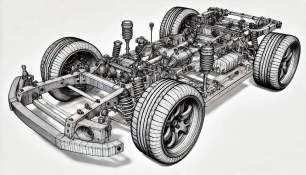 The chassis of a car is an important system of a vehicle that connects the wheels and the body, allowing safe and stable movement. It consists of various mechanisms and components that ensure the vehicle's handling, comfort and roadholding. In this article, we will provide an overview of the chassis structure and introduce in more detail important components such as wishbones, steering arm, pendulum arm, track rod, steering knuckle, hinges, bridge beam and steering rods.
... More...
The chassis of a car is an important system of a vehicle that connects the wheels and the body, allowing safe and stable movement. It consists of various mechanisms and components that ensure the vehicle's handling, comfort and roadholding. In this article, we will provide an overview of the chassis structure and introduce in more detail important components such as wishbones, steering arm, pendulum arm, track rod, steering knuckle, hinges, bridge beam and steering rods.
... More...
Car chassis and undercarriage
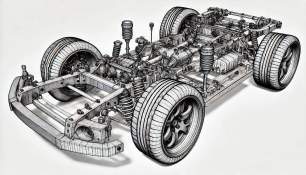 The undercarriage of a car, or car chassis and undercarriage, consists of several key components that play a role in the car's movement, appearance, and safety. It is an additional system that connects the car body to the wheels and allows the vehicle to be used and steered. The following is an overview of the main details of the undercarriage of a car.
1. Suspension system
The suspension system connects the wheels of a car to the body or frame and ensures a comfortable and stable ride. Its function is to absorb shocks and vibrations that occur on rough roads. The main elements of the suspension are:
Shock absorbers: Absorb the movement of the springs and keep the tires against the road.
Springs (coil springs or leaf springs): Hold the weight of the car and provide a smoother ride.
Control arms: Connect the wheels to the chassis and allow vertical movement.
Coupling Rod: Reduce body roll when cornering.
Bushes: Soft connections that hold parts in place and absorb vibrations.
... More...
The undercarriage of a car, or car chassis and undercarriage, consists of several key components that play a role in the car's movement, appearance, and safety. It is an additional system that connects the car body to the wheels and allows the vehicle to be used and steered. The following is an overview of the main details of the undercarriage of a car.
1. Suspension system
The suspension system connects the wheels of a car to the body or frame and ensures a comfortable and stable ride. Its function is to absorb shocks and vibrations that occur on rough roads. The main elements of the suspension are:
Shock absorbers: Absorb the movement of the springs and keep the tires against the road.
Springs (coil springs or leaf springs): Hold the weight of the car and provide a smoother ride.
Control arms: Connect the wheels to the chassis and allow vertical movement.
Coupling Rod: Reduce body roll when cornering.
Bushes: Soft connections that hold parts in place and absorb vibrations.
... More...

Wheel hub – what is it and why is it needed?
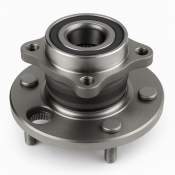 A wheel hub is the central part of a car's wheel assembly , to which the wheel is attached and inside which the hub bearing is located.
It holds the wheel to the car, allows it to rotate smoothly, and is part of the braking and traction system.
simply put:
A wheel hub is the part to which the wheel is physically attached and which allows the wheel to rotate freely and safely.
All car brands – Audi, VW, Volvo, Škoda, BMW, Mercedes, Toyota, etc. – use wheel hubs with a very similar design.
What does a wheel hub contain?
A typical wheel hub consists of:
hub bearing – makes the wheel rotate smoothly,
hub housing – a metal housing into which the bearing is pressed,
bolt holes / bolts – the wheel is attached here,
sometimes also an abs sensor ring or even an integrated abs sensor.
On newer cars, the hub and bearing are sold as a set - they are not taken apart.
How does a wheel hub work?
The hub bearing attaches to the car's axle or wishbone .
The hub bearing allows the wheel to rotate easily and evenly.
The brake disc and wheel, attached to the hub, rotate together.
The entire weight and driving dynamics of the car are transferred through the hub to the wheels.
Without wheel hubs, the wheels simply wouldn't stay on the car.
common problems with wheel hubs
The most common damage is to the bearing inside the hub.
typical faults:
rumbling or growling while driving (bearing damage),
vibration in the steering wheel ,
a rocking motion in the wheel , i.e. the wheel moves up and down / left and right,
the abs light comes on if the magnetic ring at the hub is damaged,
The wheel heats up when the bearing is jammed.
examples:
VW Golf and Passat – very common front hub bearing hum.
Audi A4/A6 – The hub and bearing assembly often wears out due to uneven roads.
Volvo XC90 – In heavier cars, hubs wear out faster.
signs that the wheel hub needs checking or replacement
there is a roar that gets louder with speed,
the steering wheel is shaking ,
the wheel moves excessively when touched by hand,
Clicking sounds when braking or turning,
the ABS or traction control light comes on,
the car “floats” on the road.
If the bearing breaks completely, the wheel may even fall off – so the problem should not be ignored.
wheel hub maintenance
The hubcap itself does not require maintenance, but it helps:
keep the wheels properly tensioned ,
avoid hard impacts on curbs,
replace the bearing as soon as noise occurs,
check the condition during technical maintenance.
When should the wheel hub be replaced?
Replacement is necessary if:
the camp makes noise,
there is slack in the hub,
the abs sensor magnetic ring is faulty,
The hub housing has received a mechanical impact.
A new hub set restores quiet ride, stability and safety .
short summary
The wheel hub holds the wheel to the car and allows it to rotate.
There is a hub bearing inside it that wears out over time.
typical symptoms: noise, lurch, ABS errors.
The wheel hub is an important safety element – a faulty hub must definitely be replaced.
... More...
A wheel hub is the central part of a car's wheel assembly , to which the wheel is attached and inside which the hub bearing is located.
It holds the wheel to the car, allows it to rotate smoothly, and is part of the braking and traction system.
simply put:
A wheel hub is the part to which the wheel is physically attached and which allows the wheel to rotate freely and safely.
All car brands – Audi, VW, Volvo, Škoda, BMW, Mercedes, Toyota, etc. – use wheel hubs with a very similar design.
What does a wheel hub contain?
A typical wheel hub consists of:
hub bearing – makes the wheel rotate smoothly,
hub housing – a metal housing into which the bearing is pressed,
bolt holes / bolts – the wheel is attached here,
sometimes also an abs sensor ring or even an integrated abs sensor.
On newer cars, the hub and bearing are sold as a set - they are not taken apart.
How does a wheel hub work?
The hub bearing attaches to the car's axle or wishbone .
The hub bearing allows the wheel to rotate easily and evenly.
The brake disc and wheel, attached to the hub, rotate together.
The entire weight and driving dynamics of the car are transferred through the hub to the wheels.
Without wheel hubs, the wheels simply wouldn't stay on the car.
common problems with wheel hubs
The most common damage is to the bearing inside the hub.
typical faults:
rumbling or growling while driving (bearing damage),
vibration in the steering wheel ,
a rocking motion in the wheel , i.e. the wheel moves up and down / left and right,
the abs light comes on if the magnetic ring at the hub is damaged,
The wheel heats up when the bearing is jammed.
examples:
VW Golf and Passat – very common front hub bearing hum.
Audi A4/A6 – The hub and bearing assembly often wears out due to uneven roads.
Volvo XC90 – In heavier cars, hubs wear out faster.
signs that the wheel hub needs checking or replacement
there is a roar that gets louder with speed,
the steering wheel is shaking ,
the wheel moves excessively when touched by hand,
Clicking sounds when braking or turning,
the ABS or traction control light comes on,
the car “floats” on the road.
If the bearing breaks completely, the wheel may even fall off – so the problem should not be ignored.
wheel hub maintenance
The hubcap itself does not require maintenance, but it helps:
keep the wheels properly tensioned ,
avoid hard impacts on curbs,
replace the bearing as soon as noise occurs,
check the condition during technical maintenance.
When should the wheel hub be replaced?
Replacement is necessary if:
the camp makes noise,
there is slack in the hub,
the abs sensor magnetic ring is faulty,
The hub housing has received a mechanical impact.
A new hub set restores quiet ride, stability and safety .
short summary
The wheel hub holds the wheel to the car and allows it to rotate.
There is a hub bearing inside it that wears out over time.
typical symptoms: noise, lurch, ABS errors.
The wheel hub is an important safety element – a faulty hub must definitely be replaced.
... More...
 The data shown here, especially the complete database of car spare parts, may not be copied. It is strictly prohibited to duplicate the data and database and distribute the same, and/or instruct third parties to engage in such activities, without prior consent from TecAlliance. Any use of content in a manner not expressly authorized constitutes copyright infringement and violators will be prosecuted.