

Changing the brake fluid and bleeding the brakes
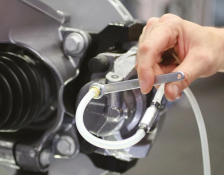 Changing the brake fluid is a very important process in brake maintenance. Brakes are essential to any car, and that makes brake fluid one of the most important components in your car. Brake fluids must resist moisture that can cause vapor lock and brake failure, protect against corrosion, and withstand high brake temperatures. From time to time, you need to change the brake fluid according to the car manufacturer's instructions.
Draining the old brake fluid and replacing it with new will keep your brakes in safe working order. Brake fluid is extremely hygroscopic, meaning it can absorb and retain moisture.
How does moisture enter a closed brake system?
A small vent hole in the brake master cylinder prevents vapor lock in the brake system, which can seriously affect braking performance. The vent lets air into the reservoir when the brake fluid level drops when the brake pedal is stepped on, then air is released from the system when the brake pedal is released. The air entering the master cylinder contains moisture, dust and dirt that contaminates the fluid.
The moisture in the brake fluid causes metal brake parts to rust and corrode from the inside out (aka through a corroded brake line). It also causes the rubber parts to swell, deteriorate and weaken. Rust and corrosion suspended in the brake system can clog and ruin expensive anti-lock braking system (ABS) pumps and valves.
Can I change the brake fluid myself?
Yes. Changing the brake fluid and bleeding the brakes alone is possible thanks to these tools.
Bleeding the brakes
Bleeding the brakes removes air bubbles from the brake system.
The air bubbles compress, causing a soft brake pedal.
Brake bleeding tools are located here.
Changing the brake fluid
Getting Started / Preparation.
You will need various tools for brakes, which are located here.
 |
||
| (picture1) brake fluid tester |
*Install protective covers on the fender to protect the paint finish.
*Clean the dirt from the master cylinder reservoir cap.
*Use a brake fluid tester (image 1) to measure the quality, condition and color of the brake fluid
*Old or contaminated brake fluid is dark brown or may contain black gritty particles.
*New brake fluid is clear, with a delicate yellow to light brown shade.
*If using a brake fluid pen tester, carefully clean all fluid from the contacts after use.
Safety Note:
if brake fluid gets on skin, paint, wires or any car parts, rinse with plenty of water. Get medical attention immediately if brake fluid gets in your eyes.
1) Drain the old brake fluid from the master cylinder
Locate the brake master cylinder, remove the cap and drain as much fluid as possible. The best way to fix this is to jack up the car and remove all four wheels.
2) Change the brake fluid in the master cylinder
Fill the master cylinder with new brake fluid to the FULL line.
Why shouldn't the job of changing the brake fluid be considered complete at the end of this stage?
Stopping at this stage leaves almost the entire system full of contaminated brake fluid.
Proceeding with this project will completely flush out all the old fluid.
Cover but do not seal the master cylinder bore to keep out dust and dirt.
3) Drain the old brake fluid
To drain the old brake fluid, loosen the bleed nipple behind each brake caliper / wheel cylinder. The vent nipple looks like a grease nipple. If the nipple is oxidized or rusted, clean the dirt around the breather valve with an old toothbrush or brass brush and brake cleaner. Spray the breather valve with rust remover and let it soak for two or three minutes.
4) Bleed the brakes
Go to each caliper/wheel cylinder in turn and open the bleed nipple when it opens nicely. Place the drain pan (picture 2) under the vent nipple. Open the valve.
Finish changing the brake fluid to drain the last of the old fluid and any air bubbles until the new fluid comes through.

( picture 2) Brake fluid changer
5) Upgrade
Continue to check the brake fluid level in the master cylinder and keep it full.
6) Repeat the process
Bleed each caliper/wheel cylinder in turn.
You can find the right brake parts for your car here:
Brake discs
Brake pads
Brake caliper (brake support)
 The data shown here, especially the complete database of car spare parts, may not be copied. It is strictly prohibited to duplicate the data and database and distribute the same, and/or instruct third parties to engage in such activities, without prior consent from TecAlliance. Any use of content in a manner not expressly authorized constitutes copyright infringement and violators will be prosecuted.