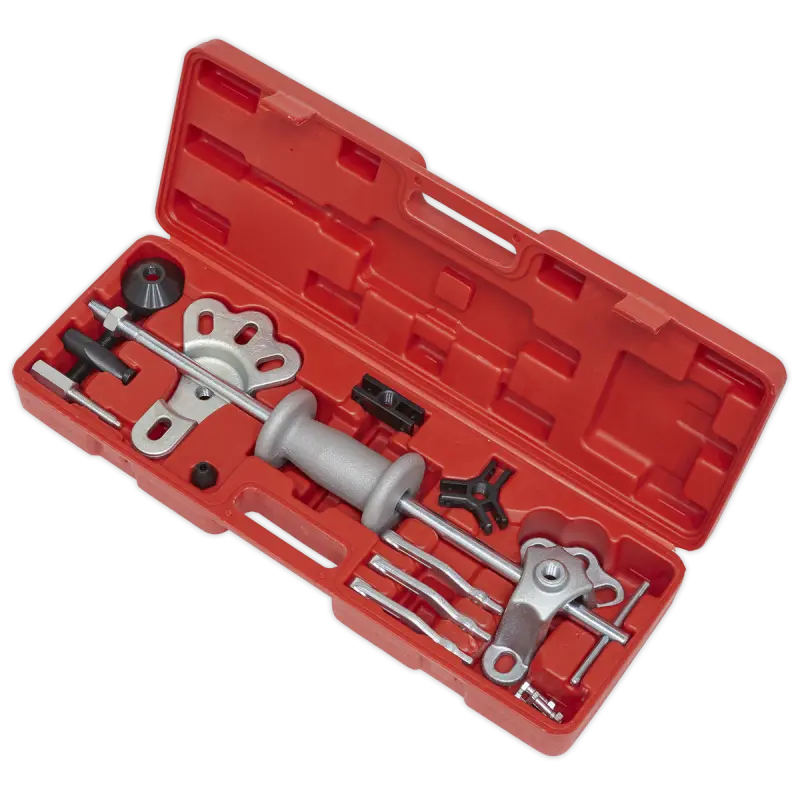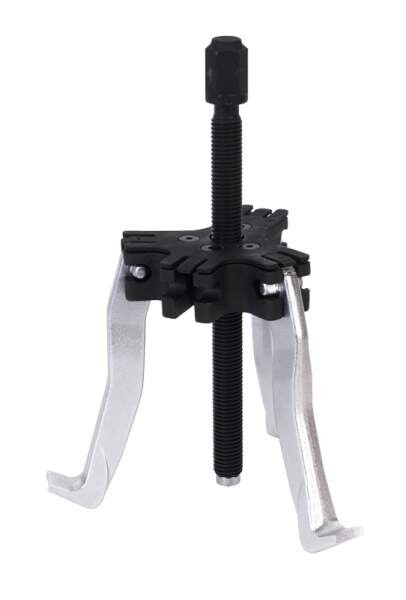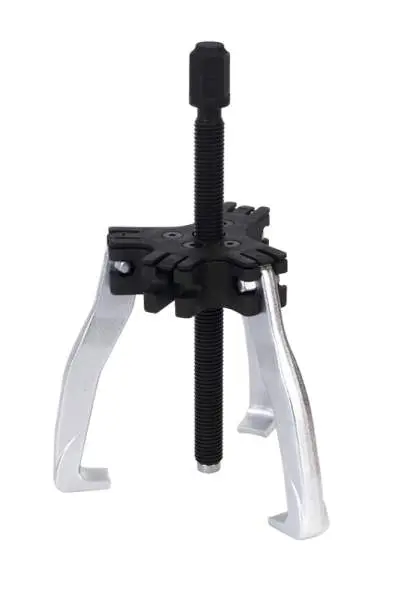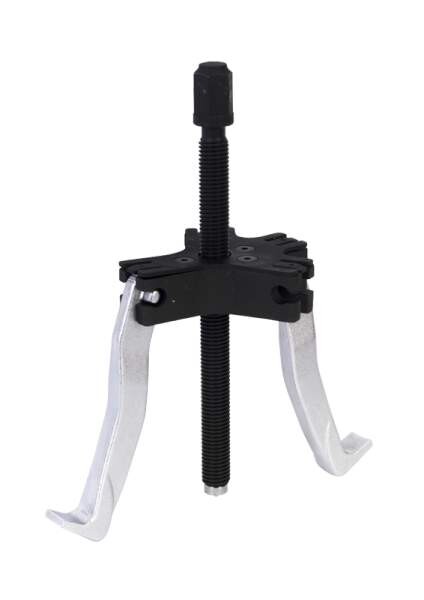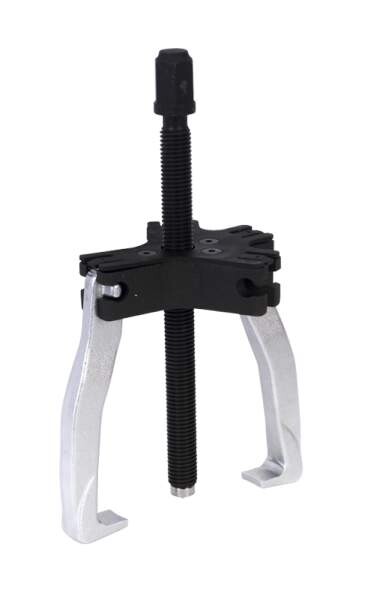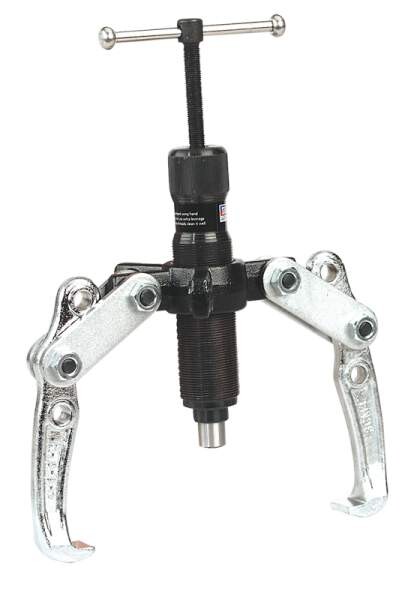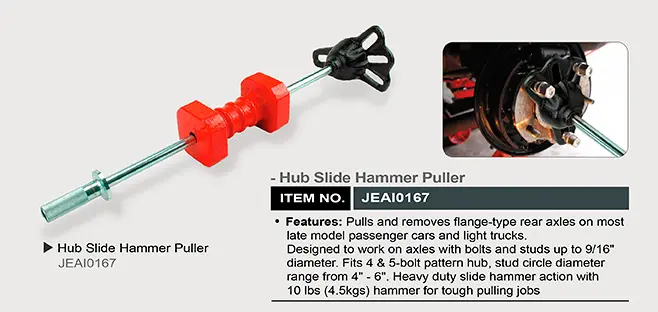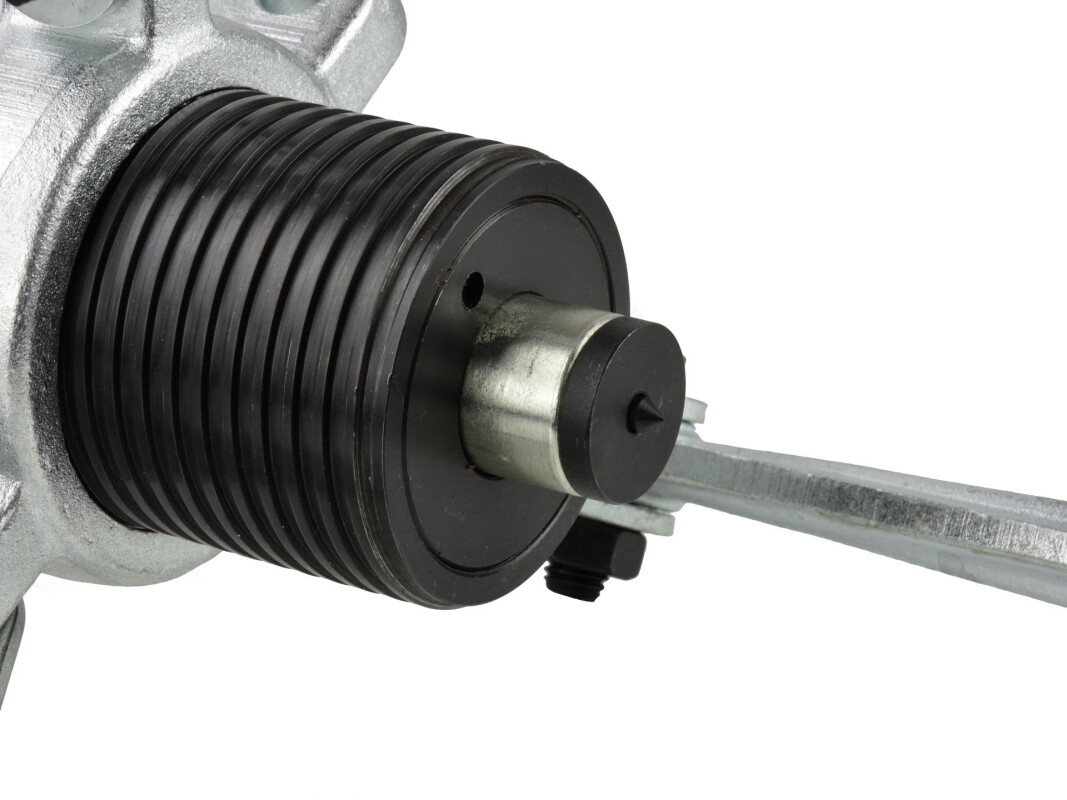
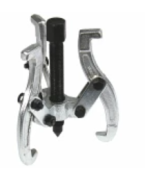
PROFITOOL Universal Separator- puller hub


Universal wheel hub väljatõmbeventilaator
- cast iron body hardened bolt and slip with button.
- suitable for four and five contact jaoturitele.
- use 1/2 "wrench or supplied with button.
- cast iron body hardened bolt and slip with button.
- suitable for four and five contact jaoturitele.
- use 1/2 "wrench or supplied with button.
Profitool
profitool is a tool brand founded in 2012 that offers high-quality and durable tools for professionals and hobbyists. Produced in cooperation with leading European manufacturers from Germany, the UK and Slovenia, profitool tools combine reliability and affordability. The range includes power and hand tools, workshop equipment, measuring instruments and much more, suitable for everyday work in construction, engineering and repair.
Delivery method

Fedex Priority
Very fast To home & office
Very fast To home & office
$21.90
Delivery date 2026-10-12

Postal office
To the nearest Postal office (Shipping discount for order starting from 600€ or 700$)
To the nearest Postal office (Shipping discount for order starting from 600€ or 700$)
$34.00
Delivery date 2026-10-26
Courier International (Premium)
To Home or Office (Shipping discount for order starting from 600€ or 700$)
To Home or Office (Shipping discount for order starting from 600€ or 700$)
$55.10
Delivery date 2026-10-19
Fedex Economy
Fast delivery to home or office!
Fast delivery to home or office!
$16.50
Delivery date 2026-10-14

DHL Express
Fast Delivery To Home or Office (Shipping discount for order starting from 600€ or 700$)
Fast Delivery To Home or Office (Shipping discount for order starting from 600€ or 700$)
$28.80
Delivery date 2026-10-07
$185.10
Arrives in 3-4work days


_SALL_AING_V1-450265-lg.jpg)


$63.90
Arrives in 3-4work days


$17.60
$21.90
-20%
Arrives in 3-4work days


$7.60
Arrives in 4-5work days


$8.50
Arrives in 3-4work days



$8.00
Arrives in 3-4work days


$4.00
$4.70
-15%
Arrives in 3-4work days

$5.90
$6.50
-10%
Arrives in 3-4work days


$318.50
Arrives in 3-4work days

$63.90
Arrives in 3-4work days


$74.90
Arrives in 3-4work days

Which hand tool steel is the most durable?
 As we all know, different steels are used to make different hand tools. The properties and strength of the steels are given below.
... More...
As we all know, different steels are used to make different hand tools. The properties and strength of the steels are given below.
... More...

Wheel hub – what is it and why is it needed?
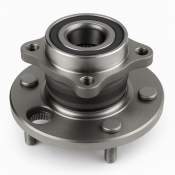 A wheel hub is the central part of a car's wheel assembly , to which the wheel is attached and inside which the hub bearing is located.
It holds the wheel to the car, allows it to rotate smoothly, and is part of the braking and traction system.
simply put:
A wheel hub is the part to which the wheel is physically attached and which allows the wheel to rotate freely and safely.
All car brands – Audi, VW, Volvo, Škoda, BMW, Mercedes, Toyota, etc. – use wheel hubs with a very similar design.
What does a wheel hub contain?
A typical wheel hub consists of:
hub bearing – makes the wheel rotate smoothly,
hub housing – a metal housing into which the bearing is pressed,
bolt holes / bolts – the wheel is attached here,
sometimes also an abs sensor ring or even an integrated abs sensor.
On newer cars, the hub and bearing are sold as a set - they are not taken apart.
How does a wheel hub work?
The hub bearing attaches to the car's axle or wishbone .
The hub bearing allows the wheel to rotate easily and evenly.
The brake disc and wheel, attached to the hub, rotate together.
The entire weight and driving dynamics of the car are transferred through the hub to the wheels.
Without wheel hubs, the wheels simply wouldn't stay on the car.
common problems with wheel hubs
The most common damage is to the bearing inside the hub.
typical faults:
rumbling or growling while driving (bearing damage),
vibration in the steering wheel ,
a rocking motion in the wheel , i.e. the wheel moves up and down / left and right,
the abs light comes on if the magnetic ring at the hub is damaged,
The wheel heats up when the bearing is jammed.
examples:
VW Golf and Passat – very common front hub bearing hum.
Audi A4/A6 – The hub and bearing assembly often wears out due to uneven roads.
Volvo XC90 – In heavier cars, hubs wear out faster.
signs that the wheel hub needs checking or replacement
there is a roar that gets louder with speed,
the steering wheel is shaking ,
the wheel moves excessively when touched by hand,
Clicking sounds when braking or turning,
the ABS or traction control light comes on,
the car “floats” on the road.
If the bearing breaks completely, the wheel may even fall off – so the problem should not be ignored.
wheel hub maintenance
The hubcap itself does not require maintenance, but it helps:
keep the wheels properly tensioned ,
avoid hard impacts on curbs,
replace the bearing as soon as noise occurs,
check the condition during technical maintenance.
When should the wheel hub be replaced?
Replacement is necessary if:
the camp makes noise,
there is slack in the hub,
the abs sensor magnetic ring is faulty,
The hub housing has received a mechanical impact.
A new hub set restores quiet ride, stability and safety .
short summary
The wheel hub holds the wheel to the car and allows it to rotate.
There is a hub bearing inside it that wears out over time.
typical symptoms: noise, lurch, ABS errors.
The wheel hub is an important safety element – a faulty hub must definitely be replaced.
... More...
A wheel hub is the central part of a car's wheel assembly , to which the wheel is attached and inside which the hub bearing is located.
It holds the wheel to the car, allows it to rotate smoothly, and is part of the braking and traction system.
simply put:
A wheel hub is the part to which the wheel is physically attached and which allows the wheel to rotate freely and safely.
All car brands – Audi, VW, Volvo, Škoda, BMW, Mercedes, Toyota, etc. – use wheel hubs with a very similar design.
What does a wheel hub contain?
A typical wheel hub consists of:
hub bearing – makes the wheel rotate smoothly,
hub housing – a metal housing into which the bearing is pressed,
bolt holes / bolts – the wheel is attached here,
sometimes also an abs sensor ring or even an integrated abs sensor.
On newer cars, the hub and bearing are sold as a set - they are not taken apart.
How does a wheel hub work?
The hub bearing attaches to the car's axle or wishbone .
The hub bearing allows the wheel to rotate easily and evenly.
The brake disc and wheel, attached to the hub, rotate together.
The entire weight and driving dynamics of the car are transferred through the hub to the wheels.
Without wheel hubs, the wheels simply wouldn't stay on the car.
common problems with wheel hubs
The most common damage is to the bearing inside the hub.
typical faults:
rumbling or growling while driving (bearing damage),
vibration in the steering wheel ,
a rocking motion in the wheel , i.e. the wheel moves up and down / left and right,
the abs light comes on if the magnetic ring at the hub is damaged,
The wheel heats up when the bearing is jammed.
examples:
VW Golf and Passat – very common front hub bearing hum.
Audi A4/A6 – The hub and bearing assembly often wears out due to uneven roads.
Volvo XC90 – In heavier cars, hubs wear out faster.
signs that the wheel hub needs checking or replacement
there is a roar that gets louder with speed,
the steering wheel is shaking ,
the wheel moves excessively when touched by hand,
Clicking sounds when braking or turning,
the ABS or traction control light comes on,
the car “floats” on the road.
If the bearing breaks completely, the wheel may even fall off – so the problem should not be ignored.
wheel hub maintenance
The hubcap itself does not require maintenance, but it helps:
keep the wheels properly tensioned ,
avoid hard impacts on curbs,
replace the bearing as soon as noise occurs,
check the condition during technical maintenance.
When should the wheel hub be replaced?
Replacement is necessary if:
the camp makes noise,
there is slack in the hub,
the abs sensor magnetic ring is faulty,
The hub housing has received a mechanical impact.
A new hub set restores quiet ride, stability and safety .
short summary
The wheel hub holds the wheel to the car and allows it to rotate.
There is a hub bearing inside it that wears out over time.
typical symptoms: noise, lurch, ABS errors.
The wheel hub is an important safety element – a faulty hub must definitely be replaced.
... More...
Car maintenance and service intervals – a comprehensive overview
 Regular car maintenance is one of the most important factors affecting the reliability, safety and service life of a vehicle. Many problems that later end in expensive repairs start precisely with untimely maintenance . This article provides a comprehensive overview of what car maintenance needs to be done , at what intervals , and why maintenance intervals are not random numbers , but carefully set by the manufacturer.
The article is written in simple and logical language and is suitable for both the new car owner and the experienced driver who wants to maintain their vehicle more consciously.
What is car maintenance and why is it necessary?
Car maintenance means regular inspection and replacement work aimed at:
keep the car in good technical condition
prevent unexpected breakdowns
ensure safe traffic
maintain the value of the car
A car consists of hundreds of moving and wearing parts. During maintenance:
fluids are exchanged
expenses are checked
the condition of the nodes is assessed
problems are detected before they become serious
An unmaintained car doesn't suddenly break down – problems accumulate silently.
What is the maintenance interval?
A maintenance interval is a period of time or mileage specified by the manufacturer after which certain maintenance operations must be performed.
The maintenance interval can be set:
in kilometers (e.g. every 15,000 km)
time-wise (e.g. once a year)
or whichever comes first
for example: oil change every 15,000 km or 12 months .
Why can't maintenance intervals be ignored?
Maintenance intervals are not recommended “about” numbers. They are based on:
on the engine design
on the materials used
at operating temperatures
based on tests and long-term experience
Failure to observe maintenance intervals may result in:
premature engine wear
gearbox failures
uneven brake performance
larger and more expensive repairs
Regular maintenance is always cheaper than repairs.
engine oil and oil filter – the most important maintenance
the role of engine oil
engine oil:
lubricates moving parts
cools the engine
cleans from dirt
protects against corrosion
Over time, the oil loses its properties.
oil change maintenance interval
usually every 10,000–15,000 km
or once a year
more often in difficult conditions
The oil filter should always be changed together with the oil .
air, cabin and fuel filter
air filter
ensures clean air to the engine
black filter increases fuel consumption
maintenance interval:
every 15,000–30,000 km
more often in dusty environments
cabin filter
purifies the air in the car interior
affects ventilation and climate
maintenance interval:
1 time per year
even more often in allergy sufferers
fuel filter
protects injectors and fuel system
maintenance interval:
less often on gasoline engines
significantly more often in diesel engines
brakes and brake maintenance
Brakes are directly related to safety.
Brake maintenance checks include:
brake pad thickness. You can find tools for measuring pad thickness here.
brake disc condition. You can find tools for measuring brake disc thickness here.
brake hoses
brake fluid level.
brake fluid
Brake fluid absorbs moisture, which impairs braking performance.
... More...
Regular car maintenance is one of the most important factors affecting the reliability, safety and service life of a vehicle. Many problems that later end in expensive repairs start precisely with untimely maintenance . This article provides a comprehensive overview of what car maintenance needs to be done , at what intervals , and why maintenance intervals are not random numbers , but carefully set by the manufacturer.
The article is written in simple and logical language and is suitable for both the new car owner and the experienced driver who wants to maintain their vehicle more consciously.
What is car maintenance and why is it necessary?
Car maintenance means regular inspection and replacement work aimed at:
keep the car in good technical condition
prevent unexpected breakdowns
ensure safe traffic
maintain the value of the car
A car consists of hundreds of moving and wearing parts. During maintenance:
fluids are exchanged
expenses are checked
the condition of the nodes is assessed
problems are detected before they become serious
An unmaintained car doesn't suddenly break down – problems accumulate silently.
What is the maintenance interval?
A maintenance interval is a period of time or mileage specified by the manufacturer after which certain maintenance operations must be performed.
The maintenance interval can be set:
in kilometers (e.g. every 15,000 km)
time-wise (e.g. once a year)
or whichever comes first
for example: oil change every 15,000 km or 12 months .
Why can't maintenance intervals be ignored?
Maintenance intervals are not recommended “about” numbers. They are based on:
on the engine design
on the materials used
at operating temperatures
based on tests and long-term experience
Failure to observe maintenance intervals may result in:
premature engine wear
gearbox failures
uneven brake performance
larger and more expensive repairs
Regular maintenance is always cheaper than repairs.
engine oil and oil filter – the most important maintenance
the role of engine oil
engine oil:
lubricates moving parts
cools the engine
cleans from dirt
protects against corrosion
Over time, the oil loses its properties.
oil change maintenance interval
usually every 10,000–15,000 km
or once a year
more often in difficult conditions
The oil filter should always be changed together with the oil .
air, cabin and fuel filter
air filter
ensures clean air to the engine
black filter increases fuel consumption
maintenance interval:
every 15,000–30,000 km
more often in dusty environments
cabin filter
purifies the air in the car interior
affects ventilation and climate
maintenance interval:
1 time per year
even more often in allergy sufferers
fuel filter
protects injectors and fuel system
maintenance interval:
less often on gasoline engines
significantly more often in diesel engines
brakes and brake maintenance
Brakes are directly related to safety.
Brake maintenance checks include:
brake pad thickness. You can find tools for measuring pad thickness here.
brake disc condition. You can find tools for measuring brake disc thickness here.
brake hoses
brake fluid level.
brake fluid
Brake fluid absorbs moisture, which impairs braking performance.
... More...
 The data shown here, especially the complete database of car spare parts, may not be copied. It is strictly prohibited to duplicate the data and database and distribute the same, and/or instruct third parties to engage in such activities, without prior consent from TecAlliance. Any use of content in a manner not expressly authorized constitutes copyright infringement and violators will be prosecuted.