

Braking System > Brake Fluid
Pick your vehicle
Car Brake Fluid: An Essential Component for Vehicle Safety
Brake fluid is one of the most crucial fluids in a car, responsible for ensuring the proper functioning of the braking system. It plays a key role in transmitting force from the brake pedal to the braking components, allowing a vehicle to slow down and stop effectively. Without high-quality brake fluid, a vehicle’s braking system can become unreliable, leading to potential safety hazards.
In this article, we will explore what brake fluid is, how it works, the different types of brake fluid, common problems, and maintenance tips to keep your braking system operating at its best.
What is Brake Fluid?
Brake fluid is a specially formulated hydraulic fluid used in a vehicle's braking system. It is designed to transfer the force from the brake pedal to the brake components (such as the brake pads, rotors, and calipers) by using hydraulic pressure. The brake system in most modern vehicles uses a hydraulic mechanism, where brake fluid is pressurized in response to the driver’s action of pressing the brake pedal. This pressure activates the brakes, slowing down or stopping the car.
Brake fluid needs to meet specific standards in order to perform efficiently, including the ability to resist high temperatures, prevent corrosion, and maintain a stable viscosity under various driving conditions.
How Does Brake Fluid Work?
The brake system in a vehicle operates using hydraulic force. When you press the brake pedal, the force is transferred to the master cylinder, which pressurizes the brake fluid. This pressurized fluid is then sent to the brake calipers, where it forces the brake pads to clamp down on the brake rotors, causing the vehicle to slow down or stop.
The brake fluid acts as a conduit for this force, ensuring that the pedal movement is accurately translated into brake activation at the wheels. In this way, the brake fluid helps the braking components work in sync, ensuring smooth and efficient braking performance.
Key characteristics that brake fluid must possess include:
-
High Boiling Point: Brake fluid must have a high boiling point to prevent it from boiling under the extreme temperatures that can arise during braking. If brake fluid boils, air bubbles form within the fluid, which can lead to a loss of braking power (a condition known as "brake fade").
-
Non-corrosive Properties: Brake fluid is designed to be non-corrosive to the internal components of the braking system, such as the master cylinder, brake lines, and calipers. This helps to prevent damage to the system, maintaining its functionality and longevity.
-
Stable Viscosity: The fluid must maintain a stable viscosity across a wide range of temperatures. This ensures that the brake system works effectively whether it’s extremely hot or cold outside.
-
Moisture Absorption Resistance: Brake fluid is hygroscopic, meaning it can absorb moisture over time. Moisture inside the brake fluid can lower its boiling point and cause rust and corrosion in the braking system. Therefore, it’s essential to monitor the fluid and replace it at regular intervals to ensure optimal performance.
Types of Brake Fluid
There are several types of brake fluid, each with specific characteristics and uses. The most common types of brake fluid are classified by the DOT (Department of Transportation) and SAE (Society of Automotive Engineers) standards, which define their chemical composition, boiling point, and other properties. The most widely used brake fluid types include:
-
DOT 3 Brake Fluid: DOT 3 is one of the most commonly used types of brake fluid. It is typically found in older and budget-friendly vehicles. DOT 3 fluid is made from a mixture of glycol ether and water, and it has a relatively low boiling point. While adequate for everyday driving, DOT 3 is less effective in high-performance driving situations where frequent and intense braking may cause the fluid to overheat.
-
DOT 4 Brake Fluid: DOT 4 brake fluid has a higher boiling point than DOT 3, making it suitable for more demanding driving conditions, such as heavy-duty or high-performance vehicles. DOT 4 fluid is also glycol-based but can tolerate higher temperatures without boiling. It is commonly used in most modern vehicles, especially those that see more frequent or harder braking.
-
DOT 5 Brake Fluid: DOT 5 brake fluid is silicone-based and is used in applications where moisture resistance is crucial. Unlike DOT 3 and DOT 4, DOT 5 is not hygroscopic, meaning it does not absorb moisture over time. This makes it ideal for vehicles that are stored for long periods of time, such as classic cars or military vehicles. However, DOT 5 is not compatible with other brake fluids and cannot be mixed with glycol-based fluids.
-
DOT 5.1 Brake Fluid: DOT 5.1 is similar to DOT 4 in that it is glycol-based but offers even higher boiling points. It is designed to withstand more extreme temperatures and is typically used in high-performance vehicles, racing cars, or vehicles with high brake loads. DOT 5.1 is compatible with DOT 3 and DOT 4 fluids and offers improved performance compared to both.
-
Mineral Oil Brake Fluid: Some vehicles, particularly European models, use mineral oil-based brake fluid. Unlike the glycol-based fluids, mineral oil brake fluid is non-hygroscopic and does not absorb moisture, which prevents corrosion in the braking system. However, mineral oil brake fluid is not compatible with DOT fluids and requires special attention when replacing.
Common Problems with Brake Fluid
Over time, brake fluid can degrade or develop issues that affect its performance. Here are some common problems associated with brake fluid:
-
Contamination: Brake fluid can become contaminated with dirt, debris, and moisture. Moisture contamination, in particular, can lower the boiling point of the fluid and lead to brake fade. Regular brake fluid replacement helps prevent contamination and ensures reliable braking performance.
-
Leaking Brake Fluid: Leaking brake fluid can be a sign of damaged brake lines, hoses, or seals. If you notice a drop in the brake fluid level or find fluid under your vehicle, it’s important to have your braking system inspected immediately, as low brake fluid levels can compromise braking efficiency.
-
Low Brake Fluid Levels: Low brake fluid levels can occur due to leaks or natural fluid consumption over time. If the brake fluid level gets too low, the system may struggle to maintain hydraulic pressure, leading to poor braking performance and possibly a complete failure to brake.
-
Air in the Brake Lines: Air in the brake lines can cause the brake pedal to feel soft or spongy. This issue is typically caused by air entering the system due to a leak or improper fluid maintenance. Bleeding the brake system is required to remove air and restore proper pedal feel.
Brake Fluid Maintenance
Proper maintenance of brake fluid is essential to ensure the longevity and effectiveness of your vehicle’s braking system. Here are some maintenance tips:
-
Regular Fluid Check: Periodically check your brake fluid levels and inspect the condition of the fluid. Brake fluid should be clear or slightly amber in color. If the fluid appears dark or murky, it may be time for a replacement.
-
Brake Fluid Replacement: Brake fluid should be replaced regularly, typically every 2 years or 24,000 miles (40,000 kilometers), depending on your vehicle and the type of brake fluid used. Replacing the brake fluid ensures that it maintains its boiling point and moisture resistance.
-
Watch for Leaks: If you notice that your brake fluid levels are consistently low, or if you see fluid pooling under your car, it’s essential to inspect your brake system for leaks. A brake fluid leak can lead to brake failure, so it’s crucial to address any leaks immediately.
-
Avoid Mixing Brake Fluids: If you need to top up your brake fluid, ensure that you use the correct type of brake fluid for your vehicle. Mixing different types of brake fluid can cause chemical reactions that compromise the performance of your brake system.
Conclusion
Brake fluid is a critical component of your vehicle’s braking system, playing a vital role in maintaining safety and performance. Keeping brake fluid at the right level and ensuring that it is in good condition are essential for effective braking. Regular maintenance, fluid checks, and timely replacements can prevent brake fluid-related issues and ensure that your vehicle's braking system operates safely and efficiently. Always follow your vehicle manufacturer’s recommendations for brake fluid type and maintenance to guarantee optimal brake performance and safety on the road.
Changing the brake fluid and bleeding the brakes
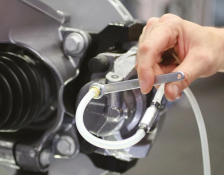 Changing the brake fluid is a very important process in brake maintenance. Brakes are essential to any car, and that makes brake fluid one of the most important components in your car. Brake fluids must resist moisture that can cause vapor lock and brake failure, protect against corrosion, and withstand high brake temperatures. From time to time, you need to change the brake fluid according to the car manufacturer's instructions.
... More...
Changing the brake fluid is a very important process in brake maintenance. Brakes are essential to any car, and that makes brake fluid one of the most important components in your car. Brake fluids must resist moisture that can cause vapor lock and brake failure, protect against corrosion, and withstand high brake temperatures. From time to time, you need to change the brake fluid according to the car manufacturer's instructions.
... More...
Car brake system and brake system maintenance: Ensuring safety on every ride
 The brake system is one of the most important components in any vehicle. It is responsible for stopping the car from moving and plays a crucial role in the safety of the vehicle. Ensuring the proper functioning of the brake system and regular maintenance are necessary at all times to prevent accidents and ensure the optimal functioning of the vehicle. In this article, we will look at the main components of the car's brake system, how it works and the importance of maintenance.
Car brake system: How does it work?
... More...
The brake system is one of the most important components in any vehicle. It is responsible for stopping the car from moving and plays a crucial role in the safety of the vehicle. Ensuring the proper functioning of the brake system and regular maintenance are necessary at all times to prevent accidents and ensure the optimal functioning of the vehicle. In this article, we will look at the main components of the car's brake system, how it works and the importance of maintenance.
Car brake system: How does it work?
... More...
Car drum brake construction and parts
 Auto Drum Brake Structure, Working Principle, and Components Overview
Drum brakes are one of the oldest braking systems used in many vehicles, especially older models or vehicles where compact packaging with high braking force is required. The drum brake system operates mechanically by applying brake shoes against the brake drum to slow down or stop the vehicle. The construction and working principle of drum brakes are relatively complex as they contain multiple components that work together to ensure effective and reliable braking.
General Working Principle of a Drum Brake:
The drum brake consists of brake pads, a wheel cylinder, and a brake drum, to which braking force is applied. When the brake pedal is pressed, the wheel cylinder uses hydraulic pressure to push the brake shoes against the drum, creating friction that slows down the vehicle.
The working principle of a drum brake is that the brake shoes move outward from the inside of the drum to stop the wheel’s rotation, while other parts of the braking system ensure smooth and efficient operation.
... More...
Auto Drum Brake Structure, Working Principle, and Components Overview
Drum brakes are one of the oldest braking systems used in many vehicles, especially older models or vehicles where compact packaging with high braking force is required. The drum brake system operates mechanically by applying brake shoes against the brake drum to slow down or stop the vehicle. The construction and working principle of drum brakes are relatively complex as they contain multiple components that work together to ensure effective and reliable braking.
General Working Principle of a Drum Brake:
The drum brake consists of brake pads, a wheel cylinder, and a brake drum, to which braking force is applied. When the brake pedal is pressed, the wheel cylinder uses hydraulic pressure to push the brake shoes against the drum, creating friction that slows down the vehicle.
The working principle of a drum brake is that the brake shoes move outward from the inside of the drum to stop the wheel’s rotation, while other parts of the braking system ensure smooth and efficient operation.
... More...
Why do wiper blades spoil quickly? Causes and effective solutions with deep cleaning
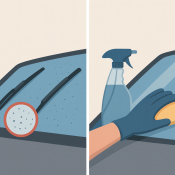 Rapid wear of wiper blades is a problem that can occur even on brand new cars. If new wiper blades start to streak, leave spots on the glass or start to skip after just a few weeks or months, the fault is usually not with the product itself. Most often, the cause is invisible dirt accumulated on the surface of the windshield or the wipers are working at the wrong angle.
Below is an overview of the main causes and solutions.
... More...
Rapid wear of wiper blades is a problem that can occur even on brand new cars. If new wiper blades start to streak, leave spots on the glass or start to skip after just a few weeks or months, the fault is usually not with the product itself. Most often, the cause is invisible dirt accumulated on the surface of the windshield or the wipers are working at the wrong angle.
Below is an overview of the main causes and solutions.
... More...
 The data shown here, especially the complete database of car spare parts, may not be copied. It is strictly prohibited to duplicate the data and database and distribute the same, and/or instruct third parties to engage in such activities, without prior consent from TecAlliance. Any use of content in a manner not expressly authorized constitutes copyright infringement and violators will be prosecuted.