

Braking System > Brake Hoses
Pick your vehicle
Car Brake Hoses: Function, Importance, and Maintenance
Brake hoses are an essential component of your vehicle's braking system, ensuring that the brake fluid is effectively transferred from the master cylinder to the brake calipers or wheel cylinders. These flexible hoses enable your car to stop quickly and safely by delivering the necessary hydraulic force to the brakes. Despite their importance, brake hoses are often overlooked in regular maintenance, which can lead to serious safety risks if they fail. This article explores the function, types, common issues, and tips for maintaining brake hoses to keep your vehicle’s braking system in top condition.
What Are Brake Hoses?
Brake hoses are flexible tubes that carry brake fluid from the master cylinder to the brake components at each wheel. They are designed to withstand high pressure and extreme temperatures, as well as resist damage from abrasion and exposure to harsh chemicals like oil and brake fluid. Brake hoses are typically made from rubber or reinforced synthetic materials to ensure durability and flexibility.
Unlike metal brake lines, which are rigid and fixed in place, brake hoses allow for the movement of the wheels and suspension while maintaining the flow of brake fluid. This flexibility is crucial for ensuring that the brakes operate smoothly while the vehicle is in motion, particularly when turning or when the suspension moves.

Function and Importance of Brake Hoses
Brake hoses play a vital role in the braking system by performing the following functions:
-
Fluid Transfer: The primary function of brake hoses is to transfer brake fluid from the master cylinder to the brake calipers or wheel cylinders at each wheel. This hydraulic fluid is essential for transmitting the force generated by pressing the brake pedal to the braking components, allowing the car to stop effectively.
-
Flexibility: Unlike rigid brake lines, brake hoses are designed to be flexible. This flexibility allows the hoses to accommodate the movement of the wheels and suspension components while maintaining a continuous flow of brake fluid. This ensures that the braking system functions properly regardless of the car's motion.
-
Pressure Resistance: Brake hoses are designed to handle the high pressures that occur in the braking system when the brakes are applied. Brake fluid is pressurized in the master cylinder and travels through the hoses to the brakes, where it forces the calipers or wheel cylinders to engage and stop the vehicle. The hoses must withstand this pressure without expanding or leaking.
-
Heat Resistance: Braking generates heat, and brake hoses must be able to withstand the elevated temperatures without degrading. If brake hoses become too hot, they can weaken, crack, or fail, which can lead to brake failure and loss of stopping power.
Types of Brake Hoses
Brake hoses come in different types, depending on their construction and purpose. The main types of brake hoses include:
-
Rubber Brake Hoses: Rubber brake hoses are the most common type and are typically used in most vehicles. These hoses are made from synthetic rubber and are reinforced with a layer of steel braiding or textile to improve their strength and durability. Rubber hoses are flexible, cost-effective, and resistant to wear and tear. However, they can degrade over time due to exposure to heat, chemicals, and UV light.
-
Stainless Steel Braided Brake Hoses: Stainless steel braided hoses are made from a rubber hose that is covered with a layer of stainless steel mesh. This design provides extra protection against abrasion, as well as increased strength and resistance to pressure. Stainless steel braided hoses are often used in performance vehicles or cars that require more robust braking systems. They provide superior durability and can resist expansion under high pressure, resulting in more consistent brake performance.
-
PTFE (Polytetrafluoroethylene) Brake Hoses: PTFE hoses are made from a type of synthetic polymer known for its high chemical resistance and low friction properties. These hoses are typically reinforced with a stainless steel braid for added strength and durability. PTFE brake hoses are more resistant to wear, heat, and corrosion than rubber hoses, making them ideal for high-performance applications or vehicles exposed to harsh conditions.
Common Problems with Brake Hoses
While brake hoses are generally durable, they can develop problems over time due to exposure to extreme conditions and wear and tear. Some of the most common issues with brake hoses include:
-
Cracking and Splitting: Over time, the rubber or synthetic material of brake hoses can deteriorate, leading to cracks or splits. This can occur due to heat, UV light, or exposure to harsh chemicals. Cracked or split hoses can cause brake fluid to leak, reducing braking performance and potentially leading to brake failure.
-
Leaks: A leak in the brake hose can be dangerous, as it can result in a loss of brake fluid, leading to reduced braking power or complete brake failure. Leaks can occur from damage, wear, or faulty connections at the hose fittings.
-
Bulging or Swelling: If a brake hose is exposed to excessive pressure, it can start to bulge or swell. This is particularly common in older hoses or those that have been subjected to high temperatures. Bulging hoses are weak and prone to bursting, which can lead to a sudden loss of braking ability.
-
Kinks or Abrasions: Brake hoses that are improperly routed or exposed to sharp objects can become kinked or abraded. This can restrict the flow of brake fluid, reducing braking performance and potentially causing the hose to rupture. Abrasions can also weaken the hose, making it more likely to fail.
-
Expansion Under Pressure: Over time, brake hoses may begin to expand when the brake fluid is pressurized. This expansion can reduce the effectiveness of the braking system, resulting in a "spongy" or unresponsive brake pedal. This problem is often seen in older or poorly maintained rubber hoses.
Signs of Brake Hose Problems
There are several warning signs that may indicate an issue with your car’s brake hoses. If you notice any of the following, it's important to have your braking system inspected immediately:
-
Brake Fluid Leaks: If you notice brake fluid pooling underneath your car or around the wheel area, it may be a sign of a brake hose leak. Brake fluid leaks are serious and should be addressed immediately to prevent brake failure.
-
Soft or Spongy Brake Pedal: If the brake pedal feels soft, spongy, or requires more pressure to engage the brakes, it could indicate that the brake hoses are expanding under pressure or that there is air in the brake lines due to a hose leak.
-
Uneven Braking: If your car pulls to one side when braking or if the braking power is uneven, it could be a sign that there is a problem with the brake hoses, such as a restriction or leak in one of the hoses.
-
Visible Damage: If you notice visible damage to the brake hoses, such as cracking, bulging, or abrasion, they should be replaced immediately to prevent further damage to the braking system.
Maintaining and Replacing Brake Hoses
Maintaining brake hoses is crucial for ensuring the safety and performance of your vehicle. Here are a few maintenance tips:
-
Regular Inspections: Check the brake hoses during routine maintenance to ensure that they are in good condition. Look for any signs of wear, damage, or leaks, and replace the hoses if necessary.
-
Replace When Worn: Brake hoses have a limited lifespan. Depending on the material and driving conditions, brake hoses should typically be replaced every 6-10 years. If you notice any issues, it’s essential to replace them sooner.
-
Use High-Quality Parts: When replacing brake hoses, always choose high-quality hoses that meet manufacturer specifications. Stainless steel braided or PTFE hoses offer better durability and performance, particularly in high-performance or heavy-duty vehicles.
-
Avoid Harsh Conditions: To prolong the life of your brake hoses, try to avoid exposing them to excessive heat, chemicals, or rough conditions. Proper routing and installation can help prevent abrasions and damage.
Conclusion
Brake hoses are a critical part of your car’s braking system, providing flexibility, fluid transfer, and pressure resistance. Regular maintenance and timely replacement of damaged or worn brake hoses are essential for ensuring the safety and effectiveness of your vehicle’s brakes. Keep an eye on potential issues such as leaks, cracks, or bulging, and always address brake hose problems promptly to avoid compromising your vehicle’s braking performance.
Changing the brake fluid and bleeding the brakes
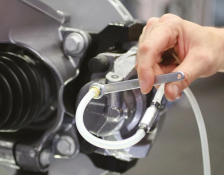 Changing the brake fluid is a very important process in brake maintenance. Brakes are essential to any car, and that makes brake fluid one of the most important components in your car. Brake fluids must resist moisture that can cause vapor lock and brake failure, protect against corrosion, and withstand high brake temperatures. From time to time, you need to change the brake fluid according to the car manufacturer's instructions.
... More...
Changing the brake fluid is a very important process in brake maintenance. Brakes are essential to any car, and that makes brake fluid one of the most important components in your car. Brake fluids must resist moisture that can cause vapor lock and brake failure, protect against corrosion, and withstand high brake temperatures. From time to time, you need to change the brake fluid according to the car manufacturer's instructions.
... More...
Car brake system and brake system maintenance: Ensuring safety on every ride
 The brake system is one of the most important components in any vehicle. It is responsible for stopping the car from moving and plays a crucial role in the safety of the vehicle. Ensuring the proper functioning of the brake system and regular maintenance are necessary at all times to prevent accidents and ensure the optimal functioning of the vehicle. In this article, we will look at the main components of the car's brake system, how it works and the importance of maintenance.
Car brake system: How does it work?
... More...
The brake system is one of the most important components in any vehicle. It is responsible for stopping the car from moving and plays a crucial role in the safety of the vehicle. Ensuring the proper functioning of the brake system and regular maintenance are necessary at all times to prevent accidents and ensure the optimal functioning of the vehicle. In this article, we will look at the main components of the car's brake system, how it works and the importance of maintenance.
Car brake system: How does it work?
... More...

Car drum brake construction and parts
 Auto Drum Brake Structure, Working Principle, and Components Overview
Drum brakes are one of the oldest braking systems used in many vehicles, especially older models or vehicles where compact packaging with high braking force is required. The drum brake system operates mechanically by applying brake shoes against the brake drum to slow down or stop the vehicle. The construction and working principle of drum brakes are relatively complex as they contain multiple components that work together to ensure effective and reliable braking.
General Working Principle of a Drum Brake:
The drum brake consists of brake pads, a wheel cylinder, and a brake drum, to which braking force is applied. When the brake pedal is pressed, the wheel cylinder uses hydraulic pressure to push the brake shoes against the drum, creating friction that slows down the vehicle.
The working principle of a drum brake is that the brake shoes move outward from the inside of the drum to stop the wheel’s rotation, while other parts of the braking system ensure smooth and efficient operation.
... More...
Auto Drum Brake Structure, Working Principle, and Components Overview
Drum brakes are one of the oldest braking systems used in many vehicles, especially older models or vehicles where compact packaging with high braking force is required. The drum brake system operates mechanically by applying brake shoes against the brake drum to slow down or stop the vehicle. The construction and working principle of drum brakes are relatively complex as they contain multiple components that work together to ensure effective and reliable braking.
General Working Principle of a Drum Brake:
The drum brake consists of brake pads, a wheel cylinder, and a brake drum, to which braking force is applied. When the brake pedal is pressed, the wheel cylinder uses hydraulic pressure to push the brake shoes against the drum, creating friction that slows down the vehicle.
The working principle of a drum brake is that the brake shoes move outward from the inside of the drum to stop the wheel’s rotation, while other parts of the braking system ensure smooth and efficient operation.
... More...
Why do wiper blades spoil quickly? Causes and effective solutions with deep cleaning
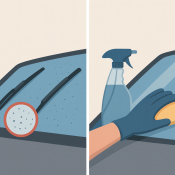 Rapid wear of wiper blades is a problem that can occur even on brand new cars. If new wiper blades start to streak, leave spots on the glass or start to skip after just a few weeks or months, the fault is usually not with the product itself. Most often, the cause is invisible dirt accumulated on the surface of the windshield or the wipers are working at the wrong angle.
Below is an overview of the main causes and solutions.
... More...
Rapid wear of wiper blades is a problem that can occur even on brand new cars. If new wiper blades start to streak, leave spots on the glass or start to skip after just a few weeks or months, the fault is usually not with the product itself. Most often, the cause is invisible dirt accumulated on the surface of the windshield or the wipers are working at the wrong angle.
Below is an overview of the main causes and solutions.
... More...
 The data shown here, especially the complete database of car spare parts, may not be copied. It is strictly prohibited to duplicate the data and database and distribute the same, and/or instruct third parties to engage in such activities, without prior consent from TecAlliance. Any use of content in a manner not expressly authorized constitutes copyright infringement and violators will be prosecuted.