

Engine Mounting System > Engine Mount
Pick your vehicle
Understanding Car Engine Mounts: Function, Importance, and Maintenance
Engine mounts are vital components in the structure of a vehicle, playing a crucial role in securing the engine to the car’s chassis. These mounts ensure that the engine stays in place, reduce vibrations, and contribute to the overall comfort of the driving experience. Without properly functioning engine mounts, a vehicle’s engine could become misaligned, leading to damage, increased noise, and an uncomfortable ride. In this article, we will explore the function of engine mounts, their importance, common issues, and how to maintain them.

What are Engine Mounts?
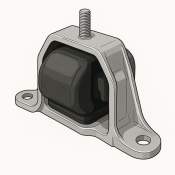
Engine mounts (also known as motor mounts) are components that connect a car’s engine to its frame or chassis. They are designed to securely hold the engine in place while allowing for slight movement. Typically, engine mounts are made from a combination of metal and rubber, where the rubber absorbs engine vibrations and allows for slight engine movement, while the metal provides strength and stability.
There are usually several engine mounts in a vehicle, each serving a different purpose based on its location. Some mounts are placed at the front, rear, and sides of the engine to ensure it stays securely in place and functions properly.

The Function of Engine Mounts
-
Securing the Engine: The primary role of engine mounts is to secure the engine to the vehicle’s frame or chassis. Without engine mounts, the engine would not be fixed in one place, and the movement of the vehicle would cause it to shift, potentially causing damage to surrounding components.
-
Absorbing Vibrations: Every time the engine runs, it produces vibrations, especially when idling or accelerating. These vibrations could be uncomfortable for the driver and passengers, and over time, they could cause damage to other vehicle components. Engine mounts are designed to absorb and dampen these vibrations, ensuring a smooth driving experience.
-
Allowing Engine Movement: While the engine needs to be secured, it must also have a limited degree of movement to accommodate forces like acceleration and deceleration. Engine mounts allow this controlled movement, preventing excessive shifting or stress on the engine and its components.
-
Enhancing Comfort: By reducing the amount of vibration transmitted from the engine to the vehicle's cabin, engine mounts improve overall ride quality and comfort. Without them, driving could become noisy and uncomfortable, especially during acceleration or when the engine operates at higher revs.
-
Protecting Other Components: Properly functioning engine mounts help prevent unnecessary stress on other components like the exhaust system, transmission, and belts. These parts are also affected by engine vibrations, and without engine mounts, excessive movement can lead to premature wear and tear.


Materials Used in Engine Mounts
Engine mounts are typically made from a combination of materials that balance durability, flexibility, and vibration absorption:
-
Rubber: Rubber is the most commonly used material in engine mounts due to its ability to absorb vibrations effectively. It is flexible enough to allow slight movement of the engine while still providing the necessary strength to hold it in place. Over time, however, rubber can wear out, crack, or deteriorate, especially if exposed to heat or oil.
-
Metal: The metal components of engine mounts provide structural integrity and strength. Metal helps keep the engine securely attached to the vehicle's frame and prevents excessive movement. Steel is commonly used for the frame of the mount due to its durability and resistance to deformation.
-
Polyurethane: Some high-performance or heavy-duty vehicles use polyurethane engine mounts. Polyurethane is more rigid than rubber, providing additional strength and stability. It is often used in sports cars, trucks, or off-road vehicles where additional engine control is required.
-
Composites: Modern vehicles may also use composite materials, combining rubber and metal for enhanced durability and performance. These materials can provide better wear resistance and are designed to handle higher temperatures and more demanding conditions.
Common Problems with Engine Mounts
While engine mounts are designed to last for a long time, they can wear out over time due to exposure to heat, stress, and road conditions. Common problems associated with engine mounts include:
-
Wear and Tear: Over time, the rubber in engine mounts can deteriorate, crack, or become brittle, leading to reduced effectiveness in absorbing vibrations and securing the engine. This wear can cause the engine to shift slightly, leading to noise, vibration, or even damage to surrounding components.
-
Engine Vibration and Noise: If engine mounts are worn or damaged, the engine can start to move excessively. This can result in increased vibrations being transmitted into the cabin, causing discomfort for the driver and passengers. You may also hear unusual noises, such as clunking, banging, or grinding, as the engine shifts within the engine bay.
-
Misalignment of the Engine: A damaged or failed engine mount can cause the engine to become misaligned with the vehicle's frame. This misalignment can cause issues with the car’s performance, such as poor acceleration, shifting problems in automatic transmissions, and uneven tire wear.
-
Excessive Engine Movement: If the engine mounts are failing, the engine may move too much when the vehicle accelerates, decelerates, or shifts gears. This excessive movement can lead to damage to components such as the exhaust system, transmission, or belts.
-
Leaking Fluid: In some cases, engine mounts may have fluid-filled cavities (hydraulic engine mounts) to enhance vibration isolation. If these mounts become damaged, the fluid can leak out, reducing their ability to dampen vibrations and potentially leading to engine instability.
How to Maintain and Replace Engine Mounts
Maintaining engine mounts is essential for ensuring a smooth driving experience and preventing unnecessary damage to the engine and surrounding components. Here are some tips for taking care of your engine mounts:
-
Regular Inspection: Check your engine mounts regularly for signs of wear, such as cracks, visible damage, or fluid leaks. You may also notice unusual vibrations or noises if the mounts are failing. If you experience increased vibration while driving, it may be time to inspect the engine mounts.
-
Check for Fluid Leaks: Some modern engine mounts are filled with hydraulic fluid to enhance vibration isolation. If you notice fluid pooling around the mounts or signs of a leak, it's crucial to replace the mounts to restore their functionality.
-
Avoid Aggressive Driving: Excessive acceleration, hard braking, and aggressive driving can put extra stress on engine mounts, leading to premature wear. By driving smoothly, you can prolong the lifespan of the mounts and other components in the engine bay.
-
Replace Worn or Damaged Mounts: If you suspect that the engine mounts are failing, it is important to replace them as soon as possible. Worn-out engine mounts can cause long-term damage to the engine and other vehicle components. Replacing the mounts is a relatively simple and cost-effective repair that can help ensure the engine is secure and functioning properly.
-
Consult a Professional Mechanic: If you're unsure about the condition of your engine mounts or notice unusual symptoms, it's best to have a professional mechanic inspect the vehicle. They can diagnose the issue and recommend the appropriate course of action to maintain your car's performance.
Conclusion
Engine mounts are an essential part of a vehicle’s design, serving to secure the engine, reduce vibrations, and enhance driving comfort. These components may not receive much attention, but they are vital to the performance, safety, and longevity of the engine. Regular inspection, timely replacement of worn-out mounts, and smooth driving habits can help extend the life of engine mounts and prevent costly repairs. Proper maintenance of engine mounts ensures that the vehicle runs smoothly and the engine remains secure, providing a more comfortable driving experience and safeguarding the vehicle’s internal components.

Car Engine Construction and Parts Drawing
 Car Engine Parts: A Detailed Overview
The reliability of a car engine depends largely on the precise functioning of various components. An engine is made up of many complex parts that work in concert to convert fuel energy into motion, which makes the vehicle move. Each component performs its own task to ensure the smooth and efficient operation of the engine. In this article, we will discuss the functions of car engine parts and their importance, including the water pump, oil pump, crankshaft, engine block, and many other components.
... More...
Car Engine Parts: A Detailed Overview
The reliability of a car engine depends largely on the precise functioning of various components. An engine is made up of many complex parts that work in concert to convert fuel energy into motion, which makes the vehicle move. Each component performs its own task to ensure the smooth and efficient operation of the engine. In this article, we will discuss the functions of car engine parts and their importance, including the water pump, oil pump, crankshaft, engine block, and many other components.
... More...

 The data shown here, especially the complete database of car spare parts, may not be copied. It is strictly prohibited to duplicate the data and database and distribute the same, and/or instruct third parties to engage in such activities, without prior consent from TecAlliance. Any use of content in a manner not expressly authorized constitutes copyright infringement and violators will be prosecuted.