

Alternator/Parts > Generator/ Alternator Parts
Pick your vehicle
car alternator parts: functions and importance
introduction
the alternator is a crucial component of a vehicle's electrical system, responsible for generating power and charging the battery. it consists of several essential parts that work together to ensure efficient performance. understanding these components —freewheel clutch, belt pulley, carbon brush, holder carbon brushes, rectifier, slip ring, and tensioner bolt —can help in diagnosing issues and maintaining the alternator properly.
1. freewheel clutch
the freewheel clutch , also known as an overrunning alternator pulley (oap), allows the alternator to decouple from the engine during deceleration.
functions of freewheel clutch:
- reduces vibrations and noise in the belt drive system.
- prevents belt slippage and extends its lifespan.
- improves fuel efficiency by reducing engine load.
signs of a faulty freewheel clutch:
- unusual noise from the alternator area.
- belt tensioner oscillation.
- sudden loss of alternator power.
2. belt pulley
the belt pulley is a vital part that transfers engine power to the alternator using the serpentine belt.
Functions of belt pulley:
- ensures smooth rotation of the alternator.
- helps maintain belt tension for consistent performance.
- reduces wear on the alternator and belt system.
symptoms of a worn-out belt pulley:
- squeaking or squealing noises.
- belt slipping or misalignment.
- reduced alternator output.
3. carbon brush
the carbon brushes are small conductive components that transfer electrical current to the alternator's rotating parts.
Functions of carbon brushes:
- provides electrical contact between stationary and moving parts.
- ensures efficient power generation.
- helps maintain stable voltage output.
common issues with carbon brushes:
- worn-out or short brushes causing voltage drops.
- poor alternator performance due to weak electrical contact.
- flickering dashboard lights or dim headlights.
4. carbon brush holder
the holder carbon brushes secure and position the carbon brushes to ensure proper electrical contact.
functions of holder carbon brushes:
- keeps the brushes aligned for optimal contact.
- prevents premature wear and ensures longevity.
- enhances alternator efficiency by maintaining consistent power flow.
signs of a failing brush holder:
- intermittent charging issues.
- increased electrical resistance causing overheating.
- loose or misaligned brushes.
5. rectifier
the rectifier converts alternating current (ac) from the alternator into direct current (dc) to charge the battery and power the vehicle's electrical systems.
functions of rectifier:
- converts ac to dc for proper battery charging.
- ensures stable voltage output.
- protects the electrical system from voltage fluctuations.
symptoms of a faulty rectifier:
- dead battery despite alternator running.
- dimming or flickering lights.
- overheating alternator due to excessive resistance.
6. slip ring
the slip ring is a conductive ring that allows electrical current to pass between rotating and stationary parts of the alternator.
Functions of slip ring:
- maintains a continuous electrical connection.
- transfers power efficiently to the rotor windings.
- reduces wear and tear on electrical contacts.
indications of a damaged slip ring:
- voltage fluctuations or power loss.
- burnt or corroded rings.
- intermittent alternator charging problems.
7. tensioner bolt
the tensioner bolt is used to adjust and maintain the proper tension of the serpentine belt, ensuring optimal alternator performance.
functions of tensioner bolt:
- keeps the belt at the correct tension level.
- prevents belt slippage and excessive wear.
- reduces strain on the alternator pulley and other belt-driven components.
signs of a loose or faulty tensioner bolt:
- belt misalignment or excessive slack.
- squealing noise due to insufficient tension.
- rapid belt wear and reduced alternator efficiency.
conclusion
each component of the car alternator plays a vital role in ensuring a steady power supply and proper charging system functionality. regular maintenance and timely replacement of worn-out parts such as the freewheel clutch, belt pulley, carbon brushes, rectifier, slip ring, and tensioner bolt can help keep your alternator running efficiently. identifying and addressing issues early prevents costly repairs and ensures the longevity of your vehicle's electrical system.
Car Electrical System: Overview, Components, and Maintenance
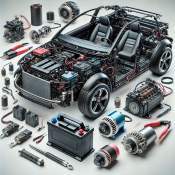 The car's electrical system is one of the most complex and important parts of a modern vehicle, responsible for starting the engine, lighting, and many other functions. The smooth operation of the electrical system ensures the vehicle's performance, safety, and comfort. Knowing this system helps you understand how the different parts of the car work and how to prevent or solve potential problems.
Basic functions of a car's electrical system
Energy generation and storage:
... More...
The car's electrical system is one of the most complex and important parts of a modern vehicle, responsible for starting the engine, lighting, and many other functions. The smooth operation of the electrical system ensures the vehicle's performance, safety, and comfort. Knowing this system helps you understand how the different parts of the car work and how to prevent or solve potential problems.
Basic functions of a car's electrical system
Energy generation and storage:
... More...

Car Generator and Its Repair
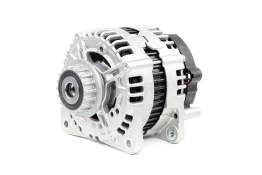 What is a car alternator?
The car alternator is one of the most important components of the vehicle's electrical system. Its function is to generate electrical energy that charges the battery and supplies all electrical systems, such as lighting, air conditioning, entertainment systems, and other electronic devices.
... More...
What is a car alternator?
The car alternator is one of the most important components of the vehicle's electrical system. Its function is to generate electrical energy that charges the battery and supplies all electrical systems, such as lighting, air conditioning, entertainment systems, and other electronic devices.
... More...
 The data shown here, especially the complete database of car spare parts, may not be copied. It is strictly prohibited to duplicate the data and database and distribute the same, and/or instruct third parties to engage in such activities, without prior consent from TecAlliance. Any use of content in a manner not expressly authorized constitutes copyright infringement and violators will be prosecuted.