

Steering > Power steering pump
Pick your vehicle
car power steering pump: function, operating principle and maintenance
The car's power steering pump is an important component in the power steering system that makes driving a vehicle easier and more comfortable. This pump allows the power steering to work, giving the driver additional force to turn the steering wheel without having to exert too much effort. If the power steering pump is not working properly, turning the steering wheel can become difficult and uncomfortable. In this article, we will look at the function of the power steering pump, how it works, common problems, and maintenance.
What is a power steering pump?
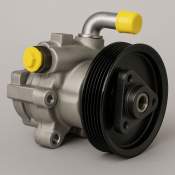
The power steering pump is the mechanism that creates the necessary pressure in the power steering system. The power steering pump is usually designed as a hydraulic pump that uses the engine's kinetic energy to facilitate turning the steering wheel. The function of the power steering pump is to pump oil into the power steering system to facilitate steering movement. Without a working power steering pump, the steering wheel can become heavy and turning can become physically difficult, especially when driving slowly or parking.

How the power steering pump works
The power steering pump works on hydraulic principles, designed to make it easier to turn the steering wheel. The pump directs special power steering fluid to create the necessary pressure, which improves the movement of the steering wheel. When the driver turns the steering wheel, the fluid is directed to one side of the power steering system, allowing the system to provide the necessary force to the steering wheel. Basically, the pump reduces the force required to move the steering wheel and makes the vehicle easier to steer.
Most power steering pumps are mechanical, connected to the engine's power source, meaning the pump operates based on engine speed. There are also electric power steering systems, where the pump is powered by an electric motor, but hydraulic systems are still common in most cars.
Power steering pump functions
The functions of the power steering pump are as follows:
-
Easier steering : The main function of the pump is to make steering easier and reduce the need to use a lot of force when turning the steering wheel. This makes driving the vehicle much more comfortable, especially when moving slowly or parking.
-
Smooth steering : The power steering pump ensures that the steering wheel movement is smooth and stable, avoiding sudden movements or resistance when turning the steering wheel.
-
additional safety : an efficient power steering system helps ensure that the vehicle responds accurately and quickly to steering inputs, which is important in fast and unexpected situations.
most common problems with the power steering pump
The power steering pump can wear out over time or develop problems that affect the movement of the steering wheel. The most common problems with the power steering pump are:
-
Oil leaks : If power steering fluid is leaking from the power steering pump, the system may lose the necessary pressure. This can cause the steering wheel to become heavier or the power steering system to stop working altogether. The leak may be caused by worn power steering pump seals or connections.
-
Low power steering oil level : If the oil level in the power steering system is low, the pump cannot generate the correct level of pressure, making it difficult to turn the steering wheel. Low oil level can be caused by a power steering oil leak or oil depletion over time.
-
Pump wear or failure : Over time, the pump can wear out or break, causing difficulty in steering. If the pump can no longer generate sufficient pressure, steering can become extremely difficult, especially at low speeds.
-
Oil contamination : If the power steering oil is contaminated or aged, it can cause the pump to malfunction. Contaminated oil can cause pump problems and reduce the efficiency of the system.
power steering pump maintenance and replacement
To ensure the reliability of your power steering pump, it is important to regularly inspect the pump. Here are some steps you can take to check your power steering system:
-
Checking the oil level : Check the power steering oil level regularly to ensure it is working properly. If the oil level is low, add the required amount of oil according to the manufacturer's recommendations.
-
Oil change : Oil aging and contamination can impair the reliability of the power steering pump. Follow your vehicle's maintenance manual and change the power steering oil regularly to ensure the system continues to function properly.
-
Check for leaks : Check for oil leaks from the power steering pump or fittings. If a leak is detected, the seals or fittings must be replaced to prevent oil loss and system malfunction.
-
Pump replacement : If the power steering pump is worn out or no longer working properly, it may be necessary to add oil or replace the seals. If the problems are not resolved by adding oil or replacing the seals, it may be necessary to replace the power steering pump with a new one. We recommend that the pump be replaced by a specialist who has the necessary skills and special tools.
How do you know that the power steering pump needs attention?
Recognizing power steering pump problems is important to prevent major damage and ensure vehicle safety. Some common symptoms that indicate power steering pump problems include:
- Heavy steering : If the steering wheel becomes heavy or steering feels awkward, it could indicate a pump problem or low oil level.
- Sensitivity or humming : If there is a noise (such as a rocking or whining sound) when you turn the steering wheel, it may be a sign that the pump is damaged or the oil is contaminated.
- Oil leak signs : If you notice oil stains around the power steering pump or under the vehicle, this may indicate a power steering oil leak that needs attention.
summary
The power steering pump is an important component that makes driving a car easier and more comfortable. Its function is to ensure that the power steering system works efficiently, allowing the driver to turn the steering wheel easily. Early detection of power steering pump problems helps prevent major breakdowns and ensures vehicle safety. Regular inspections, monitoring the oil level and repairing any power steering oil leaks help keep the system in good working order.
Car chassis construction and parts
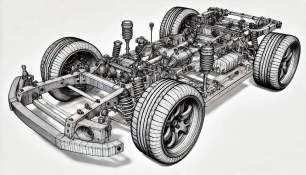 The chassis of a car is an important system of a vehicle that connects the wheels and the body, allowing safe and stable movement. It consists of various mechanisms and components that ensure the vehicle's handling, comfort and roadholding. In this article, we will provide an overview of the chassis structure and introduce in more detail important components such as wishbones, steering arm, pendulum arm, track rod, steering knuckle, hinges, bridge beam and steering rods.
... More...
The chassis of a car is an important system of a vehicle that connects the wheels and the body, allowing safe and stable movement. It consists of various mechanisms and components that ensure the vehicle's handling, comfort and roadholding. In this article, we will provide an overview of the chassis structure and introduce in more detail important components such as wishbones, steering arm, pendulum arm, track rod, steering knuckle, hinges, bridge beam and steering rods.
... More...
Car chassis and undercarriage
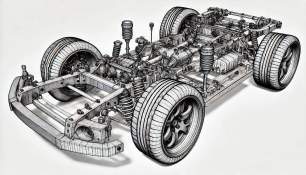 The undercarriage of a car, or car chassis and undercarriage, consists of several key components that play a role in the car's movement, appearance, and safety. It is an additional system that connects the car body to the wheels and allows the vehicle to be used and steered. The following is an overview of the main details of the undercarriage of a car.
1. Suspension system
The suspension system connects the wheels of a car to the body or frame and ensures a comfortable and stable ride. Its function is to absorb shocks and vibrations that occur on rough roads. The main elements of the suspension are:
Shock absorbers: Absorb the movement of the springs and keep the tires against the road.
Springs (coil springs or leaf springs): Hold the weight of the car and provide a smoother ride.
Control arms: Connect the wheels to the chassis and allow vertical movement.
Coupling Rod: Reduce body roll when cornering.
Bushes: Soft connections that hold parts in place and absorb vibrations.
... More...
The undercarriage of a car, or car chassis and undercarriage, consists of several key components that play a role in the car's movement, appearance, and safety. It is an additional system that connects the car body to the wheels and allows the vehicle to be used and steered. The following is an overview of the main details of the undercarriage of a car.
1. Suspension system
The suspension system connects the wheels of a car to the body or frame and ensures a comfortable and stable ride. Its function is to absorb shocks and vibrations that occur on rough roads. The main elements of the suspension are:
Shock absorbers: Absorb the movement of the springs and keep the tires against the road.
Springs (coil springs or leaf springs): Hold the weight of the car and provide a smoother ride.
Control arms: Connect the wheels to the chassis and allow vertical movement.
Coupling Rod: Reduce body roll when cornering.
Bushes: Soft connections that hold parts in place and absorb vibrations.
... More...

Why do wiper blades spoil quickly? Causes and effective solutions with deep cleaning
 Rapid wear of wiper blades is a problem that can occur even on brand new cars. If new wiper blades start to streak, leave spots on the glass or start to skip after just a few weeks or months, the fault is usually not with the product itself. Most often, the cause is invisible dirt accumulated on the surface of the windshield or the wipers are working at the wrong angle.
Below is an overview of the main causes and solutions.
... More...
Rapid wear of wiper blades is a problem that can occur even on brand new cars. If new wiper blades start to streak, leave spots on the glass or start to skip after just a few weeks or months, the fault is usually not with the product itself. Most often, the cause is invisible dirt accumulated on the surface of the windshield or the wipers are working at the wrong angle.
Below is an overview of the main causes and solutions.
... More...
 The data shown here, especially the complete database of car spare parts, may not be copied. It is strictly prohibited to duplicate the data and database and distribute the same, and/or instruct third parties to engage in such activities, without prior consent from TecAlliance. Any use of content in a manner not expressly authorized constitutes copyright infringement and violators will be prosecuted.