

Radiator/Oil Cooler > Radiator/Parts
Pick your vehicle
Car Radiator: Essential for Engine Cooling and Vehicle Performance
The car radiator is a critical component of a vehicle's cooling system, designed to maintain optimal engine temperatures and prevent overheating. Overheating can lead to severe engine damage, making the radiator an essential part of any vehicle's engine management. In this article, we will explore what a car radiator is, how it works, the importance of proper radiator maintenance, and how to troubleshoot common radiator issues.

What is a Car Radiator?
A car radiator is a heat exchanger that helps dissipate excess heat from the engine to prevent it from overheating. It is typically made of aluminum or copper and consists of a series of thin tubes and fins that allow coolant (also called antifreeze) to flow through while dissipating heat through the external surface area.
Located at the front of the vehicle, behind the grille, the radiator receives airflow through the car’s movement or from a fan when the car is stationary. This airflow helps cool down the hot coolant that flows from the engine and through the radiator. Proper radiator function is essential to keep the engine at the correct temperature for efficient operation and to prevent potential engine failure due to overheating.
How Does a Car Radiator Work?
The radiator is part of a larger cooling system designed to regulate the temperature of the engine. Here’s how it works:
-
Coolant Circulation: The engine generates heat as it operates, and the coolant absorbs this heat to prevent the engine from getting too hot. The coolant is pumped from the engine block to the radiator by the water pump.
-
Heat Transfer: Inside the radiator, the coolant flows through a network of thin tubes. The radiator’s fins are designed to increase the surface area for heat dissipation. As the coolant flows through the radiator, the heat is transferred to the metal fins, and the coolant is cooled down.
-
Airflow for Cooling: The vehicle’s forward motion creates airflow through the front grille, or the radiator fan activates when the vehicle is idling, pulling air through the radiator. This air cools the metal fins, allowing the heat to dissipate more efficiently.
-
Cycle Repeats: After the coolant has been cooled, it returns to the engine to absorb more heat. This continuous cycle ensures that the engine maintains an optimal temperature, preventing it from overheating.
Importance of a Car Radiator
The radiator is crucial for several reasons:
-
Engine Cooling: The primary function of the radiator is to keep the engine cool. If the engine temperature gets too high, it can cause severe damage, such as warped cylinder heads, blown head gaskets, and cracked engine blocks. These issues can lead to costly repairs and potential engine failure.
-
Fuel Efficiency and Performance: A properly cooled engine operates more efficiently, which can contribute to better fuel economy and overall performance. An overheated engine loses power, consumes more fuel, and may experience diminished performance.
-
Preventing Engine Damage: The radiator helps maintain a consistent temperature, which is vital for the longevity of the engine. Consistent cooling prevents thermal expansion, which can cause cracks or warping in engine components, especially in high-performance engines.
-
Environmental Protection: Keeping the engine temperature under control helps reduce harmful emissions. Overheating can cause incomplete combustion, leading to the production of more pollutants.
Common Types of Car Radiators
There are different types of radiators designed for various vehicle applications. The most common types include:
-
Aluminum Radiators: These are the most common type of radiators in modern cars. Aluminum is lightweight, resistant to corrosion, and has good heat conductivity, making it an ideal material for radiators.
-
Copper-Brass Radiators: Older vehicles and some heavy-duty applications still use copper-brass radiators. These radiators are durable and highly effective at transferring heat but are heavier and more prone to corrosion compared to aluminum.
-
Plastic and Aluminum Radiators: Some radiators combine aluminum cores with plastic tanks. These are lightweight and cost-effective but may be less durable than all-metal radiators, especially when exposed to extreme temperatures.
-
Oil Coolers: Some cars, especially high-performance and heavy-duty vehicles, also have oil coolers that function similarly to radiators. These coolers help regulate the temperature of engine oil, preventing it from overheating.
Common Radiator Problems
Like any mechanical component, radiators are subject to wear and tear over time. Here are some common radiator issues to watch for:
-
Leaking Coolant: One of the most common radiator issues is coolant leaks. These leaks can occur from cracks in the radiator, damaged hoses, or faulty seals. If you notice a puddle of coolant under your car or low coolant levels in the reservoir, a leak might be the cause.
-
Clogged Radiator: Over time, debris, rust, and mineral deposits can accumulate in the radiator, restricting coolant flow and reducing its efficiency. This can lead to overheating. Flushing the radiator regularly can help prevent clogging.
-
Damaged Radiator Fan: The radiator fan helps maintain airflow through the radiator when the vehicle is stationary or moving at low speeds. If the fan malfunctions, the radiator may not be able to dissipate heat effectively, causing the engine to overheat.
-
Corroded Radiator: Radiators are exposed to a lot of heat, moisture, and chemicals, making them susceptible to corrosion. Rust can build up over time, reducing the radiator’s efficiency and leading to leaks.
-
Broken Thermostat: The thermostat controls the flow of coolant through the radiator. If the thermostat becomes stuck or malfunctions, it may cause the engine to overheat or run too cold, leading to performance issues.
How to Maintain and Take Care of Your Radiator
Proper maintenance can extend the life of your radiator and prevent costly repairs. Here are some tips:
-
Check Coolant Levels Regularly: Ensure that the coolant level in the radiator and overflow tank is adequate. Low coolant levels can cause the engine to overheat, so top it off with the appropriate coolant type as necessary.
-
Inspect for Leaks: Periodically check the radiator and its hoses for signs of leaks. If you notice coolant on the ground or any visible cracks in the radiator, it's time to get the radiator inspected or replaced.
-
Flush the Radiator: Over time, coolant can become contaminated with rust, dirt, and other debris. Flushing the radiator every two years or according to the manufacturer’s recommendation helps keep it clean and free of blockages.
-
Inspect the Radiator Fan: Make sure the radiator fan is functioning correctly. If the fan is not running, it could lead to overheating, especially when driving at low speeds.
-
Replace Worn Parts: If hoses, clamps, or the thermostat are showing signs of wear, replace them before they fail. Worn components can contribute to radiator leaks and overheating problems.
Conclusion
The car radiator plays a vital role in the overall health and performance of the engine. It helps regulate the engine’s temperature, prevents overheating, and improves fuel efficiency and performance. Regular maintenance, such as checking coolant levels, inspecting for leaks, and flushing the radiator, will ensure it works efficiently and can help prevent costly repairs down the road. Keeping the radiator in top condition is essential for maintaining the longevity of your vehicle and ensuring safe driving.
All about car coolants and coolant colors
 As the cold weather approaches, it's time to check your car to make sure it's fully prepared for the drop in outside temperatures.
... More...
As the cold weather approaches, it's time to check your car to make sure it's fully prepared for the drop in outside temperatures.
... More...

Car Cooling System: Overview, Working Principle and Important Parts
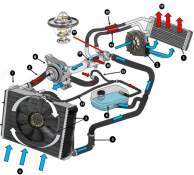 What is a Car Cooling System?
The car cooling system is one of the most critical systems in an engine, responsible for maintaining the engine temperature within an optimal range, preventing overheating, and ensuring efficient operation. The cooling system removes excess engine heat and contributes to fuel efficiency and engine longevity.
How Does a Car Cooling System Work?
The cooling system operates by circulating coolant, which absorbs engine heat and dissipates it through the radiator. The system includes several key components that ensure proper fluid circulation and heat dissipation.
Key Components of the Car Cooling System
... More...
What is a Car Cooling System?
The car cooling system is one of the most critical systems in an engine, responsible for maintaining the engine temperature within an optimal range, preventing overheating, and ensuring efficient operation. The cooling system removes excess engine heat and contributes to fuel efficiency and engine longevity.
How Does a Car Cooling System Work?
The cooling system operates by circulating coolant, which absorbs engine heat and dissipates it through the radiator. The system includes several key components that ensure proper fluid circulation and heat dissipation.
Key Components of the Car Cooling System
... More...
Car radiator – what is it and why does the engine need it?
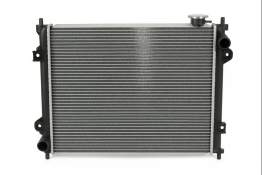 A car radiator is the heart of the engine's cooling system . When the engine is running, it gets very hot. The radiator helps to safely dissipate heat so that the engine does not overheat. simply put: The radiator is the car's "cooling cabinet" that keeps the engine at the right temperature.
... More...
A car radiator is the heart of the engine's cooling system . When the engine is running, it gets very hot. The radiator helps to safely dissipate heat so that the engine does not overheat. simply put: The radiator is the car's "cooling cabinet" that keeps the engine at the right temperature.
... More...
 The data shown here, especially the complete database of car spare parts, may not be copied. It is strictly prohibited to duplicate the data and database and distribute the same, and/or instruct third parties to engage in such activities, without prior consent from TecAlliance. Any use of content in a manner not expressly authorized constitutes copyright infringement and violators will be prosecuted.