

Suspension Parts > Suspension Strut
Pick your vehicle
Car strut: important components for a comfortable and safe ride
Car struts are one of the most important components in a vehicle's suspension system, ensuring a comfortable and stable driving experience. These common but often underestimated parts play a key role in a car's handling and ride comfort. The function of struts is to absorb shocks caused by road irregularities, reduce bump vibrations and keep the car's body balanced to prevent discomfort and ensure vehicle stability. In this article, we will introduce what shock absorbers are, how they work, the different types and how to maintain them to ensure the optimal operation of the vehicle's suspension system.struts are in this category (shock absorbers are in another category)
The parts of a car's suspension system, the shock absorber and the spring shock absorber, differ in their construction and function. Here are their main differences:
1. spring shock absorber (strut in English)
Description: A coilover shock absorber combines a shock absorber and a spring into one unit. It is often also called a strut (e.g. MacPherson strut).
features:
acts as a shock absorber, dampening movement and vibrations.carries the weight of the vehicle and helps maintain suspension geometry and wheel alignment.
placement: often used in front axle suspension, but can also be found on the rear axle.
Construction: the spring is mounted around the shock absorber, forming one compact unit, which simplifies the suspension construction.
Example: common on modern vehicles, especially with MacPherson strut suspension.
2. shock absorber
Description: A shock absorber is a component whose main function is to dampen suspension movement and prevent excessive swaying of the vehicle.
function: controls the movement of the suspension and spring, reducing vibrations and keeping the tires in close contact with the road surface.
arrangement: work with separately mounted springs (springs carry the weight of the car).
construction: only a damping element that does not bear the weight of the vehicle or have any load-bearing capacity.
example: common on vehicles with independent suspension systems where the spring and shock absorber are separate components (e.g. multi-link rear suspension).

1 and 2 spring shock absorbers (strut)
3 and 4 shock absorbers (shock absorber)
main differences:
| characteristic | shock absorber | spring shock absorber (strut) |
|---|---|---|
| construction complexity | only the damping component | combines spring and shock absorber |
| carrying capacity | does not support the weight of the vehicle | bears part of the vehicle's weight |
| arrangement | work together with separate springs | spring and shock absorber are combined in one system |
| place of use | rear axle, complex suspensions | mainly on the front axle, in simplified suspension |
| maintenance and replacement | easier and cheaper | more difficult and expensive to replace |
summary:
- A shock absorber is a simple damping device that works in conjunction with a separate spring. It is not a load-bearing part.
- A coil spring is an integrated system that performs the functions of both a shock absorber and a spring and supports the weight of the vehicle.
The correct choice depends on the vehicle's suspension type and manufacturer's design.
How does shock absorber work?
The working principle of shock absorbers is based on a combination of two main movements – compression and recovery. When the car’s wheels come into contact with the ground and the kinetic energy increases (for example, when driving over a hill or a pothole), the shock absorber compresses and absorbs some of this energy. The shock absorber then begins to recover, returning the energy and bringing the car back into balance.
Inside the shock absorbers is a liquid or gas (such as nitrogen) that helps control the movement and converts the kinetic energy into heat. This heat is dissipated into channels inside the shock absorber, which help prevent overheating and ensure smoother operation.

shock absorber parts:
1. strut mount (bearing plate)
function:
The shock absorber support bearing is a part that connects the shock absorber to the vehicle body. It allows the shock absorber to rotate in accordance with the movement of the steering wheel (on the front wheels) and ensures a stable connection between the suspension and the body.
- Front strut mounts often contain ball bearings that allow the shock absorber to pivot.
- Rear support bearings are simpler because they don't have to rotate.
problems:
Worn out support bearings can cause unpleasant noises, loose suspension, and affect vehicle handling.
2. spring
function:
The spring is the component responsible for the elasticity of the suspension. It keeps the vehicle at the correct height, absorbs impact energy from the road surface and distributes the load evenly. The spring works together with the shock absorber to ensure a stable and smooth ride.
- The springs are made of strong steel and designed in a spiral shape.
- Springs also determine the stiffness and load-bearing capacity of a car's suspension.
problems:
Over time, springs can wear, rust, or break, causing the vehicle to lean or the suspension to become less stiff.
3. shock absorber
function:
A shock absorber is a device that controls the movement of a spring, dampening its vibrations and impacts. It provides stability to the vehicle and helps keep the wheels in contact with the road surface.
- Shock absorbers usually operate on a hydraulic or gas-fluid basis to dissipate impact energy.
- In the case of McPherson-type suspension, the shock absorber also includes the spring and support bearing mount.
problems:
Worn shock absorbers cause poor handling, increased braking distances and an uncomfortable ride. Typical symptoms are excessive vibrations after potholes or noises from the suspension.
4. dust shield
function:
A protective rubber is a part of a shock absorber that protects its moving parts from dirt, dust, water, and other harmful elements.
- The protective rubber extends the life of the shock absorber and its seals by preventing dirt from entering the interior of the shock absorber.
- It works in close cooperation with the impact limiter, which prevents the shock absorber from being compressed too deeply.
problems:
A torn or worn protective rubber leaves the shock absorber unprotected, which can cause it to wear out quickly or even fail.

shock absorber parts:
1. nut - nut
2. strut mount (bearing plate)
3. upper spring seat
4. dust shield
5. strut shaft
6. lower spring seat
7. strut body
The importance of shock absorbers in vehicle performance
- Ride comfort: shock absorbers reduce the impact of road irregularities, ensuring a smooth and comfortable ride. Without functioning shock absorbers, the ride would become uncomfortable as the car would constantly jump and shake.
- Vehicle stability: The function of shock absorbers is to keep the car's body balanced and prevent excessive body movement, especially when cornering, braking, or driving on uneven terrain. Without proper shock absorbers, the car can become unstable and lose control, which can be dangerous.
- Tire wear and suspension health: Shock absorbers help keep the tires in constant contact with the ground, which reduces uneven tire wear. They also protect other suspension components from excessive wear, extending the life of the entire suspension system.
- Safety: Shock absorbers help maintain the vehicle's balance and reduce the tendency to lose traction, especially in emergency situations or bad weather. They are essential for ensuring the stability and safety of the vehicle.
different types of shock absorbers
Modern vehicles use different types of shock absorbers, depending on the needs of the vehicle and driving conditions. The most common types of shock absorbers are:
- monotube shock absorbers:
Benefits: for better cooling and smoother operation, especially in extreme driving conditions.
Application: sports cars, off-road vehicles and heavy trucks.
- twin-tube shock absorbers:
Advantages: They are more affordable and provide a comfortable driving experience, being suitable for normal everyday driving.
Application: most everyday cars and minivans.
- gas-filled shock absorbers:
Benefits: reduces fluid foaming, improves performance and stabilizes the vehicle.
Application: often used in sports cars, off-road vehicles and cars that require better dynamics.
- adjustable shock absorbers:
Advantages: flexibility and adaptability to different driving conditions, providing a sporty driving experience or a more comfortable ride.
Application: used in sports cars and luxury cars where there is a desire to customize the vehicle's behavior.
- air shock absorbers (air shock):
Advantages: Adjustable vehicle height, which is well suited for trucks and vehicles that carry heavy loads or create higher suspension loads.
Application: SUVs, trucks and vehicles that must withstand heavy loads.
signs that shock absorbers need replacing
Over time, shock absorbers, like all other parts of a car, wear out. The following signs indicate that shock absorbers need to be replaced:- Excessive bouncing or swaying: If the car bounces or sways excessively after driving over potholes, this may indicate worn shock absorbers.
- Signs of fluid leakage: If you see fluid leaking from the shock absorbers, this is a clear sign that the seals are damaged and the shock absorber is no longer working effectively.
- Uneven tire wear: If your tires are wearing unevenly, it could be a sign of a problem with your shock absorbers, as they are unable to keep the tires in constant contact with the ground.
- Impaired handling and stability: If you feel that the car is difficult to steer or the car is less stable when cornering, the cause may be worn shock absorbers.
- Increased braking distance: If the car needs more space to brake or the brakes feel less responsive, the shock absorbers may be faulty, as they affect the entire suspension system.
shock absorber maintenance
To keep shock absorbers in good working condition, it is important to maintain them regularly:Check regularly: Have your car's shock absorbers checked regularly, especially if you feel that the vehicle's behavior has changed.
Avoid rough driving: excessive travel over potholes or heavy loads can accelerate shock absorber wear.
Check for leaks: If you see leaks or other damage, replace the shock absorbers in a timely manner to avoid major problems in the suspension system.
summary
Car shock absorbers are important components that ensure a comfortable and safe ride. They absorb the impact of road irregularities, keeping the car balanced and stable, reducing excessive bump vibration and ensuring solid tire grip on the ground. Regular maintenance and timely replacement help extend the life of shock absorbers and ensure optimal vehicle performance and safety. The condition of shock absorbers is directly related to the stability and ride comfort of your vehicle, which is why it is important to maintain them on time and replace them when necessary.Car suspension system: importance, working principle and types
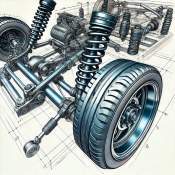 The car's suspension system is one of the most important mechanisms that ensures driving comfort, stability and safety. The suspension is designed to absorb shocks and vibrations caused by road irregularities, while ensuring constant contact of the wheels with the road surface. This helps to improve the vehicle's handling and protects the car's structure from excessive load and wear.
... More...
The car's suspension system is one of the most important mechanisms that ensures driving comfort, stability and safety. The suspension is designed to absorb shocks and vibrations caused by road irregularities, while ensuring constant contact of the wheels with the road surface. This helps to improve the vehicle's handling and protects the car's structure from excessive load and wear.
... More...
How to change shock absorbers on a car yourself?
 Shock absorbers play an important role in a car's suspension system, providing a smoother ride and better handling. Over time, shock absorbers wear out and need to be replaced. Although this job may seem difficult at first, it can be done at home if you have the knowledge and the right tools. Here's a guide on how to replace shock absorbers yourself.
Shock absorbers are actually divided into two types:
... More...
Shock absorbers play an important role in a car's suspension system, providing a smoother ride and better handling. Over time, shock absorbers wear out and need to be replaced. Although this job may seem difficult at first, it can be done at home if you have the knowledge and the right tools. Here's a guide on how to replace shock absorbers yourself.
Shock absorbers are actually divided into two types:
... More...

car springs – coil springs and their role in vehicle suspension
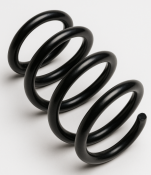 Car coil springs are one of the most important components in a vehicle's suspension system. Their main function is to absorb shocks from road irregularities , maintain the car's ride height, and ensure a comfortable and stable ride. The most common type of spring on modern cars is the coil spring , which ensures durability, smooth suspension, and good handling.
This article provides a comprehensive overview of car springs, their working principle, types, maintenance, and common problems.
What are car coil springs?
Car coil springs are elastic metal parts that:
bear the weight of the vehicle,
dampen shocks and vibrations,
keep the tires in contact with the road surface,
ensure stable operation of the suspension system.
Every time the car goes over a pothole or hill, the springs contract and release to reduce the impact that would otherwise be transmitted directly to the body and passengers.
coil springs – the most common type of spring
What is a coil spring?
A coil spring is a spiral-shaped steel spring that works on the principle of torque and flexibility. It is the most common type of spring in both front and rear suspension.
coil spring functions:
load-bearing support: support the weight and ride height of the car.
ensuring a soft and comfortable ride: absorbing unevenness in the road surface.
increasing stability: in cooperation with shock absorbers, they keep the car controllable even when cornering.
vibration reduction: dampens shocks between the body and the wheels.
Where can I find coil springs?
in most modern passenger cars, both front and rear.
as part of the McPherson suspension with shock absorber strut.
in double-link and multi-link suspension systems.
types of car springs
Although coil springs are the most common, other spring types are also used on different vehicles.
1. coil springs
universal and durable solution.
suitable for cars, SUVs and many smaller trucks.
2. leaf springs
mainly used on vans, vans and heavy trucks.
can carry a very heavy load.
3. air suspension (air springs, air suspension)
ensures a very comfortable ride.
adjustable height.
used on luxury cars and newer SUVs.
4. torsion bar suspension
in some older cars and SUVs.
compact and with adjustable stiffness.
but for a typical passenger car, coil springs remain the most important and widely used solution.
How do springs work with shock absorbers?
The spring's job is to absorb the shock , but that alone would cause constant "bouncing".
... More...
Car coil springs are one of the most important components in a vehicle's suspension system. Their main function is to absorb shocks from road irregularities , maintain the car's ride height, and ensure a comfortable and stable ride. The most common type of spring on modern cars is the coil spring , which ensures durability, smooth suspension, and good handling.
This article provides a comprehensive overview of car springs, their working principle, types, maintenance, and common problems.
What are car coil springs?
Car coil springs are elastic metal parts that:
bear the weight of the vehicle,
dampen shocks and vibrations,
keep the tires in contact with the road surface,
ensure stable operation of the suspension system.
Every time the car goes over a pothole or hill, the springs contract and release to reduce the impact that would otherwise be transmitted directly to the body and passengers.
coil springs – the most common type of spring
What is a coil spring?
A coil spring is a spiral-shaped steel spring that works on the principle of torque and flexibility. It is the most common type of spring in both front and rear suspension.
coil spring functions:
load-bearing support: support the weight and ride height of the car.
ensuring a soft and comfortable ride: absorbing unevenness in the road surface.
increasing stability: in cooperation with shock absorbers, they keep the car controllable even when cornering.
vibration reduction: dampens shocks between the body and the wheels.
Where can I find coil springs?
in most modern passenger cars, both front and rear.
as part of the McPherson suspension with shock absorber strut.
in double-link and multi-link suspension systems.
types of car springs
Although coil springs are the most common, other spring types are also used on different vehicles.
1. coil springs
universal and durable solution.
suitable for cars, SUVs and many smaller trucks.
2. leaf springs
mainly used on vans, vans and heavy trucks.
can carry a very heavy load.
3. air suspension (air springs, air suspension)
ensures a very comfortable ride.
adjustable height.
used on luxury cars and newer SUVs.
4. torsion bar suspension
in some older cars and SUVs.
compact and with adjustable stiffness.
but for a typical passenger car, coil springs remain the most important and widely used solution.
How do springs work with shock absorbers?
The spring's job is to absorb the shock , but that alone would cause constant "bouncing".
... More...
 The data shown here, especially the complete database of car spare parts, may not be copied. It is strictly prohibited to duplicate the data and database and distribute the same, and/or instruct third parties to engage in such activities, without prior consent from TecAlliance. Any use of content in a manner not expressly authorized constitutes copyright infringement and violators will be prosecuted.