

Suspension/Damping > Suspension Strut / Shock Absorber Mount
Pick your vehicle
Car Shock Absorber Support Bearing: Function, Importance, and Maintenance
The shock absorber support bearing is a key component of a vehicle’s suspension system, ensuring the smooth operation and longevity of the shock absorbers. Often overlooked, this bearing plays a critical role in the proper functioning of the shock absorbers, contributing to ride comfort, vehicle stability, and safety. In this article, we will explore the function of the shock absorber support bearing, its importance, common problems, and how to maintain it for optimal performance.

What is a Car Shock Absorber Support Bearing?
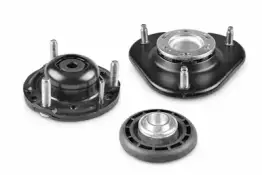
The shock absorber support bearing (also known as a top mount bearing or strut mount bearing) is located at the top of the shock absorber or strut assembly, connecting the shock absorber to the vehicle’s body or chassis. This bearing allows the shock absorber to move smoothly as the suspension system compresses and rebounds during driving.
In most modern vehicles, the shock absorber support bearing is part of the strut mount assembly, which includes a metal mount, a rubber or polyurethane isolator, and the bearing itself. The bearing’s primary role is to support the shock absorber, facilitate its movement, and minimize friction between the shock absorber and the vehicle’s body.
Function of the Shock Absorber Support Bearing
The shock absorber support bearing serves several essential functions in the vehicle's suspension system:
-
Allowing Smooth Movement: The primary function of the shock absorber support bearing is to enable smooth up-and-down movement of the shock absorber or strut. As the suspension compresses and rebounds, the bearing ensures the shock absorber can move freely without excessive friction, which is crucial for effective shock absorption.
-
Supporting the Shock Absorber: The bearing supports the weight of the shock absorber and allows it to be securely mounted to the vehicle’s chassis. This ensures the shock absorber is properly aligned and functions effectively, contributing to the stability and handling of the vehicle.
-
Reducing Vibration and Noise: The shock absorber support bearing helps reduce vibrations and noise caused by the suspension’s movement. It acts as a cushion, isolating the shock absorber from the vehicle’s body and minimizing any rattling or clunking sounds that can be caused by metal-to-metal contact.
-
Allowing Steering Movement: In vehicles with strut-based suspension systems, the shock absorber support bearing also helps facilitate steering movement. The bearing allows the top of the strut to rotate when the steering wheel is turned, ensuring smooth and responsive steering behavior.
Importance of the Shock Absorber Support Bearing
The shock absorber support bearing is vital to the overall performance of the vehicle’s suspension system, contributing to ride comfort, handling, and safety:
-
Improved Ride Quality: By allowing the shock absorber to move smoothly, the support bearing ensures that the suspension can effectively absorb bumps and road imperfections, leading to a smoother, more comfortable ride.
-
Enhanced Stability: The shock absorber support bearing helps maintain the proper alignment of the shock absorber, ensuring that the suspension system works efficiently and contributes to the vehicle’s overall stability. A faulty bearing can cause issues with handling, making the vehicle less stable, especially in turns or at high speeds.
-
Noise Reduction: A well-functioning shock absorber support bearing helps reduce noise and vibrations that can occur from the suspension’s movement. This is important for maintaining a quiet and comfortable driving experience, free from unpleasant sounds that can result from worn-out bearings.
-
Steering Performance: In strut-based suspension systems, the shock absorber support bearing plays a crucial role in allowing smooth steering operation. A malfunctioning bearing can cause steering issues, such as difficulty turning the wheel, noise when steering, or poor responsiveness.
Common Problems with Shock Absorber Support Bearings
Like any other suspension component, the shock absorber support bearing can wear out over time. Some common issues that can occur with these bearings include:
-
Worn or Damaged Bearings: Over time, the bearings can wear out due to constant friction and stress from the suspension's movement. A worn-out bearing may produce a knocking or popping noise, particularly when going over bumps or turning the steering wheel. In severe cases, the bearing may fail completely, causing the shock absorber to become misaligned or disconnected.
-
Clunking Noises: One of the most common symptoms of a faulty shock absorber support bearing is a clunking or knocking noise that occurs when driving over uneven surfaces or when turning the steering wheel. This noise is often caused by metal parts rubbing together due to a lack of lubrication or wear on the bearing.
-
Vibration and Steering Issues: A worn shock absorber support bearing can cause excessive vibration in the steering wheel, especially when turning. You may also notice a lack of responsiveness when steering, which can compromise vehicle control and safety.
-
Uneven Tire Wear: If the shock absorber support bearing is not functioning properly, it can cause the suspension to become misaligned, leading to uneven tire wear. This can reduce the lifespan of your tires and affect the vehicle's handling.
-
Poor Ride Quality: A worn or damaged bearing can cause the suspension to become less effective at absorbing bumps and shocks, leading to a rougher ride and reduced comfort.
How to Maintain and Care for Shock Absorber Support Bearings
Proper maintenance can extend the life of the shock absorber support bearing and prevent costly repairs. Here are some tips for maintaining this component:
-
Regular Inspections: Have your suspension system, including the shock absorber support bearings, checked regularly by a mechanic, especially if you experience any symptoms such as noise, vibration, or handling issues. Early detection of wear can prevent further damage to the suspension system.
-
Watch for Symptoms of Wear: Pay attention to any unusual noises, such as clunking or popping, or any changes in steering behavior or ride quality. If you notice any of these symptoms, it may be a sign that the shock absorber support bearings need attention.
-
Avoid Excessive Loads: Overloading your vehicle or driving over rough terrain frequently can put excessive stress on the suspension system, including the shock absorber support bearings. While the suspension is designed to handle a certain amount of weight and force, excessive strain can lead to premature wear.
-
Replace Worn Bearings Promptly: If you notice that your shock absorber support bearing is damaged or worn, it's important to replace it promptly. Ignoring the issue can lead to further damage to the suspension system, resulting in more expensive repairs and potential safety concerns.
-
Keep the Suspension System in Good Condition: Regularly check other suspension components, such as shock absorbers, struts, and springs, to ensure they are in good working condition. A well-maintained suspension system will reduce strain on the shock absorber support bearings and improve the overall performance of the vehicle.
When to Replace the Shock Absorber Support Bearing
You should consider replacing the shock absorber support bearing if you notice any of the following signs:
- Clunking or knocking noises when driving over bumps or turning the steering wheel.
- Excessive vibration in the steering wheel.
- Poor ride quality or rough handling.
- Steering issues, such as difficulty turning the wheel or poor responsiveness.
- Uneven tire wear.
Conclusion
The shock absorber support bearing plays an essential role in the overall function of your vehicle's suspension system. It allows smooth movement of the shock absorbers, supports proper alignment, reduces noise and vibrations, and contributes to the vehicle's stability and handling. Regular inspection and maintenance of the shock absorber support bearing can help ensure a comfortable, stable, and safe driving experience. If you notice any symptoms of wear, such as unusual noises or handling issues, it’s important to address them promptly to prevent further damage and maintain the performance of your vehicle’s suspension system.
You can buy a shock absorber support bearing for your car here!
Car suspension system: importance, working principle and types
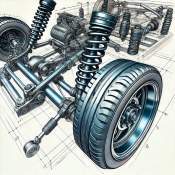 The car's suspension system is one of the most important mechanisms that ensures driving comfort, stability and safety. The suspension is designed to absorb shocks and vibrations caused by road irregularities, while ensuring constant contact of the wheels with the road surface. This helps to improve the vehicle's handling and protects the car's structure from excessive load and wear.
... More...
The car's suspension system is one of the most important mechanisms that ensures driving comfort, stability and safety. The suspension is designed to absorb shocks and vibrations caused by road irregularities, while ensuring constant contact of the wheels with the road surface. This helps to improve the vehicle's handling and protects the car's structure from excessive load and wear.
... More...

Why do wiper blades spoil quickly? Causes and effective solutions with deep cleaning
 Rapid wear of wiper blades is a problem that can occur even on brand new cars. If new wiper blades start to streak, leave spots on the glass or start to skip after just a few weeks or months, the fault is usually not with the product itself. Most often, the cause is invisible dirt accumulated on the surface of the windshield or the wipers are working at the wrong angle.
Below is an overview of the main causes and solutions.
... More...
Rapid wear of wiper blades is a problem that can occur even on brand new cars. If new wiper blades start to streak, leave spots on the glass or start to skip after just a few weeks or months, the fault is usually not with the product itself. Most often, the cause is invisible dirt accumulated on the surface of the windshield or the wipers are working at the wrong angle.
Below is an overview of the main causes and solutions.
... More...
car springs – coil springs and their role in vehicle suspension
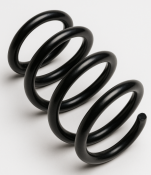 Car coil springs are one of the most important components in a vehicle's suspension system. Their main function is to absorb shocks from road irregularities , maintain the car's ride height, and ensure a comfortable and stable ride. The most common type of spring on modern cars is the coil spring , which ensures durability, smooth suspension, and good handling.
This article provides a comprehensive overview of car springs, their working principle, types, maintenance, and common problems.
What are car coil springs?
Car coil springs are elastic metal parts that:
bear the weight of the vehicle,
dampen shocks and vibrations,
keep the tires in contact with the road surface,
ensure stable operation of the suspension system.
Every time the car goes over a pothole or hill, the springs contract and release to reduce the impact that would otherwise be transmitted directly to the body and passengers.
coil springs – the most common type of spring
What is a coil spring?
A coil spring is a spiral-shaped steel spring that works on the principle of torque and flexibility. It is the most common type of spring in both front and rear suspension.
coil spring functions:
load-bearing support: support the weight and ride height of the car.
ensuring a soft and comfortable ride: absorbing unevenness in the road surface.
increasing stability: in cooperation with shock absorbers, they keep the car controllable even when cornering.
vibration reduction: dampens shocks between the body and the wheels.
Where can I find coil springs?
in most modern passenger cars, both front and rear.
as part of the McPherson suspension with shock absorber strut.
in double-link and multi-link suspension systems.
types of car springs
Although coil springs are the most common, other spring types are also used on different vehicles.
1. coil springs
universal and durable solution.
suitable for cars, SUVs and many smaller trucks.
2. leaf springs
mainly used on vans, vans and heavy trucks.
can carry a very heavy load.
3. air suspension (air springs, air suspension)
ensures a very comfortable ride.
adjustable height.
used on luxury cars and newer SUVs.
4. torsion bar suspension
in some older cars and SUVs.
compact and with adjustable stiffness.
but for a typical passenger car, coil springs remain the most important and widely used solution.
How do springs work with shock absorbers?
The spring's job is to absorb the shock , but that alone would cause constant "bouncing".
... More...
Car coil springs are one of the most important components in a vehicle's suspension system. Their main function is to absorb shocks from road irregularities , maintain the car's ride height, and ensure a comfortable and stable ride. The most common type of spring on modern cars is the coil spring , which ensures durability, smooth suspension, and good handling.
This article provides a comprehensive overview of car springs, their working principle, types, maintenance, and common problems.
What are car coil springs?
Car coil springs are elastic metal parts that:
bear the weight of the vehicle,
dampen shocks and vibrations,
keep the tires in contact with the road surface,
ensure stable operation of the suspension system.
Every time the car goes over a pothole or hill, the springs contract and release to reduce the impact that would otherwise be transmitted directly to the body and passengers.
coil springs – the most common type of spring
What is a coil spring?
A coil spring is a spiral-shaped steel spring that works on the principle of torque and flexibility. It is the most common type of spring in both front and rear suspension.
coil spring functions:
load-bearing support: support the weight and ride height of the car.
ensuring a soft and comfortable ride: absorbing unevenness in the road surface.
increasing stability: in cooperation with shock absorbers, they keep the car controllable even when cornering.
vibration reduction: dampens shocks between the body and the wheels.
Where can I find coil springs?
in most modern passenger cars, both front and rear.
as part of the McPherson suspension with shock absorber strut.
in double-link and multi-link suspension systems.
types of car springs
Although coil springs are the most common, other spring types are also used on different vehicles.
1. coil springs
universal and durable solution.
suitable for cars, SUVs and many smaller trucks.
2. leaf springs
mainly used on vans, vans and heavy trucks.
can carry a very heavy load.
3. air suspension (air springs, air suspension)
ensures a very comfortable ride.
adjustable height.
used on luxury cars and newer SUVs.
4. torsion bar suspension
in some older cars and SUVs.
compact and with adjustable stiffness.
but for a typical passenger car, coil springs remain the most important and widely used solution.
How do springs work with shock absorbers?
The spring's job is to absorb the shock , but that alone would cause constant "bouncing".
... More...
 The data shown here, especially the complete database of car spare parts, may not be copied. It is strictly prohibited to duplicate the data and database and distribute the same, and/or instruct third parties to engage in such activities, without prior consent from TecAlliance. Any use of content in a manner not expressly authorized constitutes copyright infringement and violators will be prosecuted.