

Alternator/Parts > Voltage regulator
Pick your vehicle
Car Voltage Regulator: Essential for Vehicle Electrical System Stability
A car voltage regulator is a critical component in a vehicle's electrical system, playing a key role in managing the voltage output from the alternator to ensure a steady and appropriate power supply to the vehicle’s electrical components. If the voltage is not regulated properly, it can lead to a host of electrical problems, from malfunctioning lights to damaged electronic systems. In this article, we’ll explore what a car voltage regulator is, how it works, its importance, common issues, and maintenance tips.

What is a Car Voltage Regulator?
A voltage regulator in a car is an electronic device that controls the amount of voltage produced by the alternator, ensuring that it remains within a safe and optimal range. Most vehicles use a 12-volt electrical system, and the alternator generates an electrical current to charge the car’s battery and power the vehicle’s electrical systems, such as lights, infotainment, and climate control. However, the voltage output from the alternator can fluctuate depending on the engine’s speed (RPM). Without a voltage regulator, this could lead to either an overcharge (damaging the battery and electrical components) or an undercharge (resulting in battery drain and malfunctioning systems).
How Does a Car Voltage Regulator Work?
The voltage regulator’s main function is to maintain a consistent voltage output from the alternator, typically around 13.5 to 14.5 volts when the engine is running. The regulator achieves this by controlling the amount of electrical current the alternator produces. Here’s how the process works:
-
Alternator Output:
- As the engine runs, the alternator generates electrical power. This power is produced by rotating a magnetic field inside the alternator, which induces an electrical current in the stator windings. The resulting current is initially in the form of alternating current (AC), which the rectifier converts into direct current (DC) for use by the car’s systems.
-
Voltage Monitoring:
- The voltage regulator constantly monitors the voltage output from the alternator. It checks if the voltage is within the required range for the vehicle's electrical systems. The regulator compares the output to a pre-set target value, typically 14.4 volts, which is ideal for battery charging and powering the vehicle’s systems.
-
Regulation Mechanism:
- If the voltage exceeds the target value, the regulator reduces the alternator’s output. This is often done by controlling the field current to the alternator’s rotor, essentially reducing the magnetic field and thus the amount of power generated. If the voltage is too low, the regulator increases the field current to boost the alternator’s output.
-
Load Compensation:
- When electrical loads in the vehicle (such as air conditioning, headlights, or the stereo) fluctuate, the voltage regulator adjusts the alternator’s output to ensure the battery receives the correct charge and that electrical components function properly.
Why is a Voltage Regulator Important?
The car voltage regulator is essential for several reasons:
-
Protecting Electrical Components:
- A voltage regulator ensures that the electrical components in your car, such as the battery, lights, infotainment system, and other electronic systems, receive a stable voltage supply. Without regulation, a fluctuating voltage could cause damage to sensitive electronic circuits or cause premature failure of components.
-
Ensuring Proper Battery Charging:
- The voltage regulator helps maintain the optimal voltage for charging the car’s battery. If the voltage is too high, it can overcharge the battery, leading to battery damage or leakage. On the other hand, insufficient voltage can result in a battery that never fully charges, potentially causing it to discharge faster and leading to starting problems.
-
Preventing Overload and Voltage Spikes:
- Voltage spikes can occur due to fluctuations in the alternator’s output, which can damage critical electronic systems. The voltage regulator smooths out these spikes, protecting your car’s electrical systems from overloads or sudden voltage changes.
-
Improving Fuel Efficiency:
- By ensuring a stable electrical load, the voltage regulator helps optimize the performance of the alternator. This means the alternator does not have to work harder than necessary, which can indirectly contribute to better fuel efficiency. A malfunctioning regulator can cause the alternator to work inefficiently, which can place an additional strain on the engine, reducing fuel economy.
-
Vehicle Reliability:
- A properly functioning voltage regulator is crucial to overall vehicle reliability. It ensures that the battery, alternator, and other electrical systems operate efficiently and harmoniously, preventing unexpected breakdowns and costly repairs.
Types of Car Voltage Regulators
There are two primary types of voltage regulators used in vehicles:
-
External Voltage Regulators:
- In older vehicles, the voltage regulator was often an external component separate from the alternator. This type of regulator was typically a mechanical or electromechanical device that used a set of contacts and a mechanical spring to adjust the alternator’s output. These systems were simpler but less precise compared to modern electronic regulators.
-
Internal Voltage Regulators:
- In modern vehicles, the voltage regulator is typically integrated into the alternator itself. These electronic regulators use sensors, microprocessors, and feedback mechanisms to control the alternator’s output more precisely. This results in better efficiency, greater accuracy, and enhanced protection for the vehicle’s electrical systems.
Common Problems with Voltage Regulators
Voltage regulators are designed to be durable, but like any automotive component, they can fail over time. Some of the most common problems with voltage regulators include:
-
Overcharging or Undercharging the Battery:
- A malfunctioning voltage regulator can either overcharge or undercharge the battery. Overcharging can lead to battery damage, leaking, or even explosion, while undercharging can result in battery drain, causing the car to have difficulty starting or even stalling.
-
Electrical Component Failure:
- A failing voltage regulator can lead to erratic voltage fluctuations that may damage sensitive electrical components, such as the vehicle’s computer systems, sensors, or infotainment systems. This can cause lights to dim or flicker, or the car to experience intermittent electrical failures.
-
Warning Lights on the Dashboard:
- A malfunctioning voltage regulator may trigger the battery warning light or the alternator warning light on the dashboard. If the regulator fails to maintain the correct voltage, it can set off a warning that something is wrong with the charging system.
-
Flickering Lights:
- If you notice that your headlights or interior lights flicker, this could be a sign of a failing voltage regulator. The lights may dim and brighten as the alternator struggles to provide a consistent voltage.
-
Strange Noises from the Alternator:
- A faulty voltage regulator may cause unusual sounds, such as a whirring or grinding noise, coming from the alternator. This is often due to the regulator struggling to maintain voltage stability.
How to Maintain and Replace a Voltage Regulator
Maintaining a voltage regulator typically involves ensuring that your alternator and electrical system are regularly serviced and inspected. Here are some tips for maintaining the voltage regulator:
-
Regular Electrical System Inspections:
- Periodic checks of the alternator, battery, and voltage regulator are recommended, especially if you notice any symptoms like dimming lights, battery issues, or warning lights on the dashboard.
-
Check for Battery and Alternator Issues:
- If your battery or alternator is showing signs of wear or malfunction, it could be linked to a failing voltage regulator. Have both components inspected during routine maintenance.
-
Replace a Faulty Voltage Regulator:
- If you experience any of the symptoms mentioned above, or if a diagnostic test reveals a problem with the voltage regulator, it’s important to replace it as soon as possible. A new voltage regulator will ensure proper charging and protect your vehicle’s electrical system from further damage.
-
Use Quality Parts:
- When replacing the voltage regulator, always use high-quality, OEM (Original Equipment Manufacturer) parts. This ensures compatibility and longevity, as aftermarket parts may not provide the same level of performance or durability.
Conclusion
The car voltage regulator is a vital component in maintaining the health and efficiency of your vehicle's electrical system. By ensuring that the alternator produces a steady, regulated voltage, the voltage regulator protects the battery, prevents electrical overloads, and helps ensure the longevity of your car’s electronics. Regular maintenance and prompt replacement of a failing regulator can prevent costly repairs and keep your vehicle running smoothly and reliably.
Car Electrical System: Overview, Components, and Maintenance
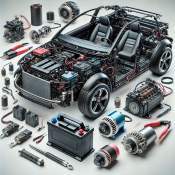 The car's electrical system is one of the most complex and important parts of a modern vehicle, responsible for starting the engine, lighting, and many other functions. The smooth operation of the electrical system ensures the vehicle's performance, safety, and comfort. Knowing this system helps you understand how the different parts of the car work and how to prevent or solve potential problems.
Basic functions of a car's electrical system
Energy generation and storage:
... More...
The car's electrical system is one of the most complex and important parts of a modern vehicle, responsible for starting the engine, lighting, and many other functions. The smooth operation of the electrical system ensures the vehicle's performance, safety, and comfort. Knowing this system helps you understand how the different parts of the car work and how to prevent or solve potential problems.
Basic functions of a car's electrical system
Energy generation and storage:
... More...

Car Generator and Its Repair
 What is a car alternator?
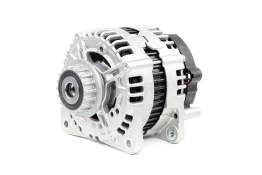
The car alternator is one of the most important components of the vehicle's electrical system. Its function is to generate electrical energy that charges the battery and supplies all electrical systems, such as lighting, air conditioning, entertainment systems, and other electronic devices.
... More...
What is a car alternator?
The car alternator is one of the most important components of the vehicle's electrical system. Its function is to generate electrical energy that charges the battery and supplies all electrical systems, such as lighting, air conditioning, entertainment systems, and other electronic devices.
... More...
 The data shown here, especially the complete database of car spare parts, may not be copied. It is strictly prohibited to duplicate the data and database and distribute the same, and/or instruct third parties to engage in such activities, without prior consent from TecAlliance. Any use of content in a manner not expressly authorized constitutes copyright infringement and violators will be prosecuted.