
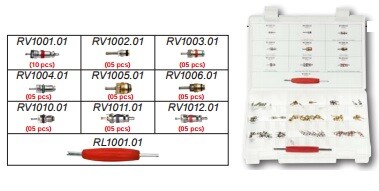
seal 1/4 - 5/16 SAE NEOPRENE - 1/2 ACME 10 pc bag


ERRECOM
Errecom PDFDelivery method

Fedex Priority
Very fast To home & office
Very fast To home & office
$19.20
Delivery date 2026-10-12

Postal office
To the nearest Postal office (Shipping discount for order starting from 600€ or 700$)
To the nearest Postal office (Shipping discount for order starting from 600€ or 700$)
$18.40
Delivery date 2026-10-26
Courier International (Premium)
To Home or Office (Shipping discount for order starting from 600€ or 700$)
To Home or Office (Shipping discount for order starting from 600€ or 700$)
$38.80
Delivery date 2026-10-19
Fedex Economy
Fast delivery to home or office!
Fast delivery to home or office!
$14.70
Delivery date 2026-10-14

DHL Express
Fast Delivery To Home or Office (Shipping discount for order starting from 600€ or 700$)
Fast Delivery To Home or Office (Shipping discount for order starting from 600€ or 700$)
$27.70
Delivery date 2026-10-07

$10.20
Arrives in 3-4work days

$10.20
Arrives in 3-4work days

$54.80
Arrives in 3-4work days


$50.20
Arrives in 3-4work days

$579.50
Arrives in 3-4work days


$9.30
Arrives in 3-4work days


$70.80
$75.90
-7%
Arrives in 3-4work days




$4.80
Arrives in 3-4work days

$87.90
Arrives in 3-4work days
$19.40
$26.90
-28%
Arrives in 3-4work days

$15.40
$19.30
-21%
Arrives in 3-4work days


$41.20
$50.90
-20%
Arrives in 3-4work days

$67.60
Arrives in 3-4work days


$10.20
Arrives in 3-4work days
$10.20
Arrives in 3-4work days


$50.20
Arrives in 3-4work days
Types of car air conditioning oil and how to add oil
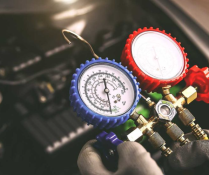 As a car owner, you need to regularly change the air conditioning compressor oil to keep your car air conditioning system in good condition and to cool the interior temperature. An AC system can work well and last a long time on a car, of course it needs maintenance and oil changes regularly so that the components working in it do not wear out or get damaged.
... More...
As a car owner, you need to regularly change the air conditioning compressor oil to keep your car air conditioning system in good condition and to cool the interior temperature. An AC system can work well and last a long time on a car, of course it needs maintenance and oil changes regularly so that the components working in it do not wear out or get damaged.
... More...
Which hand tool steel is the most durable?
 As we all know, different steels are used to make different hand tools. The properties and strength of the steels are given below.
... More...
As we all know, different steels are used to make different hand tools. The properties and strength of the steels are given below.
... More...
Car fuel system: Overview and comparison of gasoline and diesel engines
 The fuel system of a car is an important part of the engine system, ensuring that fuel moves from the tank to the engine and is burned efficiently. The efficiency of the fuel system directly affects the vehicle's performance, fuel economy and environmental impact. Depending on the type of engine - whether a gasoline engine or a diesel engine - the operating principles and advantages of fuel systems are different.
Functions and components of a car's fuel system
Main features:
Fuel transport: The fuel pump delivers fuel from the tank to the engine.
Fuel cleaning: The fuel filter removes dirt and impurities that can damage the system.
Fuel metering: The system ensures that the correct amount of fuel is delivered according to the engine load and speed.
Fuel preparation for combustion: The fuel that reaches the engine is mixed with air to achieve optimal combustion.
... More...
The fuel system of a car is an important part of the engine system, ensuring that fuel moves from the tank to the engine and is burned efficiently. The efficiency of the fuel system directly affects the vehicle's performance, fuel economy and environmental impact. Depending on the type of engine - whether a gasoline engine or a diesel engine - the operating principles and advantages of fuel systems are different.
Functions and components of a car's fuel system
Main features:
Fuel transport: The fuel pump delivers fuel from the tank to the engine.
Fuel cleaning: The fuel filter removes dirt and impurities that can damage the system.
Fuel metering: The system ensures that the correct amount of fuel is delivered according to the engine load and speed.
Fuel preparation for combustion: The fuel that reaches the engine is mixed with air to achieve optimal combustion.
... More...
Car Air Conditioning Compressor: Working Principle, Maintenance
 What is a car air conditioning compressor?
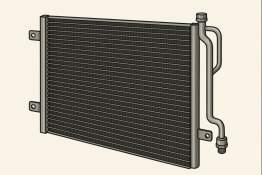
The car air conditioning compressor is the heart of the vehicle's climate system, ensuring the flow of cooled air into the cabin. Its main function is to compress the refrigerant and direct it to the condenser, where it cools and turns into a liquid, allowing chilled air to reach the interior.
... More...
What is a car air conditioning compressor?
The car air conditioning compressor is the heart of the vehicle's climate system, ensuring the flow of cooled air into the cabin. Its main function is to compress the refrigerant and direct it to the condenser, where it cools and turns into a liquid, allowing chilled air to reach the interior.
... More...
Car Cooling System: Overview, Working Principle and Important Parts
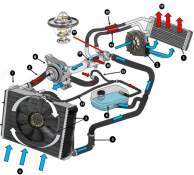 What is a Car Cooling System?
The car cooling system is one of the most critical systems in an engine, responsible for maintaining the engine temperature within an optimal range, preventing overheating, and ensuring efficient operation. The cooling system removes excess engine heat and contributes to fuel efficiency and engine longevity.
How Does a Car Cooling System Work?
The cooling system operates by circulating coolant, which absorbs engine heat and dissipates it through the radiator. The system includes several key components that ensure proper fluid circulation and heat dissipation.
Key Components of the Car Cooling System
... More...
What is a Car Cooling System?
The car cooling system is one of the most critical systems in an engine, responsible for maintaining the engine temperature within an optimal range, preventing overheating, and ensuring efficient operation. The cooling system removes excess engine heat and contributes to fuel efficiency and engine longevity.
How Does a Car Cooling System Work?
The cooling system operates by circulating coolant, which absorbs engine heat and dissipates it through the radiator. The system includes several key components that ensure proper fluid circulation and heat dissipation.
Key Components of the Car Cooling System
... More...
Car Air Conditioning: Working Principle, Important Parts and Maintenance
 What is a Car Air Conditioning System?
The car air conditioning system (Car Air Conditioner) is a system that ensures a comfortable temperature inside the vehicle by removing excess heat and humidity. The air conditioning system operates in a closed circuit, using a special refrigerant (Freon) to maintain the cooling cycle.
How Does a Car Air Conditioning System Work?
The air conditioning system works on the principle of heat transfer, where heat is removed from the vehicle's interior and released into the external environment. The main stages of this process are:
Compression of the refrigerant: The air conditioning compressor increases the pressure and temperature of the refrigerant.
Heat dissipation: The condenser removes the heat from the high-pressure gas, converting it into a liquid.
Expansion of the refrigerant: The expansion valve lowers the pressure of the liquid refrigerant, cooling it.
Heat absorption: The evaporator absorbs heat from the cabin, turning the liquid refrigerant back into gas.
The cycle continues: The compressor pulls back the heat-absorbed refrigerant, and the process repeats.
Car Air Conditioning / A/C System Diagram
1. A/C Condenser Fan
... More...
What is a Car Air Conditioning System?
The car air conditioning system (Car Air Conditioner) is a system that ensures a comfortable temperature inside the vehicle by removing excess heat and humidity. The air conditioning system operates in a closed circuit, using a special refrigerant (Freon) to maintain the cooling cycle.
How Does a Car Air Conditioning System Work?
The air conditioning system works on the principle of heat transfer, where heat is removed from the vehicle's interior and released into the external environment. The main stages of this process are:
Compression of the refrigerant: The air conditioning compressor increases the pressure and temperature of the refrigerant.
Heat dissipation: The condenser removes the heat from the high-pressure gas, converting it into a liquid.
Expansion of the refrigerant: The expansion valve lowers the pressure of the liquid refrigerant, cooling it.
Heat absorption: The evaporator absorbs heat from the cabin, turning the liquid refrigerant back into gas.
The cycle continues: The compressor pulls back the heat-absorbed refrigerant, and the process repeats.
Car Air Conditioning / A/C System Diagram
1. A/C Condenser Fan
... More...

Air conditioning compressor oils: differences, selection and use
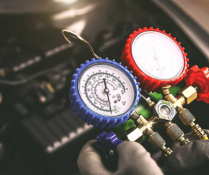 types of car climate oils
1. pag oils (polyalkylene glycol)
The most common type of car air conditioning oil for R134a and R1234yf refrigerants.
Why is pag oil used?
mixes very well with refrigerant
ensures smooth operation of the compressor
suitable for most modern vehicles
The main viscosity classes of pag oils:
page 46 – for smaller compressors, new cars
pag 100 – for standard compressors
pag 150 – for larger systems (trucks, buses)
pros:
optimal compatibility with R134a and R1234yf systems
good lubricity
disadvantages:
hygroscopic (draws moisture from the air)
2. store oils (polyol ester)
The store's oils are also synthetic and are particularly suitable for electric compressors and hybrid cars , where electrical insulation is required.
What is store oil used for?
in r134a and r1234yf systems
in vehicles where the compressor is electrically controlled
in compressors that require special dielectric oil
Common store viscosity grades:
shop 32
shop 46
shop 68
shop 100
3. PAO oils (polyalphaolefin) – versatile and moisture resistant
PAO oils are synthetic oils that are non -hygroscopic, meaning they do not absorb moisture. This makes them useful in difficult conditions.
Why choose pao oil?
suitable for both r134a and r1234yf refrigerants
can be used when unsure of what pag viscosity is needed
better moisture resistance
Common escape classes:
escape 68
escape universal
Universal PAO is popular in repair shops because it is suitable for many systems and is stable.
4. mineral oils (mo / mineral oil)
mainly used in older systems with R12 refrigerant .
Where are mineral oils used?
classic cars
old air conditioning systems that operate with R12 or its substitutes
... More...
types of car climate oils
1. pag oils (polyalkylene glycol)
The most common type of car air conditioning oil for R134a and R1234yf refrigerants.
Why is pag oil used?
mixes very well with refrigerant
ensures smooth operation of the compressor
suitable for most modern vehicles
The main viscosity classes of pag oils:
page 46 – for smaller compressors, new cars
pag 100 – for standard compressors
pag 150 – for larger systems (trucks, buses)
pros:
optimal compatibility with R134a and R1234yf systems
good lubricity
disadvantages:
hygroscopic (draws moisture from the air)
2. store oils (polyol ester)
The store's oils are also synthetic and are particularly suitable for electric compressors and hybrid cars , where electrical insulation is required.
What is store oil used for?
in r134a and r1234yf systems
in vehicles where the compressor is electrically controlled
in compressors that require special dielectric oil
Common store viscosity grades:
shop 32
shop 46
shop 68
shop 100
3. PAO oils (polyalphaolefin) – versatile and moisture resistant
PAO oils are synthetic oils that are non -hygroscopic, meaning they do not absorb moisture. This makes them useful in difficult conditions.
Why choose pao oil?
suitable for both r134a and r1234yf refrigerants
can be used when unsure of what pag viscosity is needed
better moisture resistance
Common escape classes:
escape 68
escape universal
Universal PAO is popular in repair shops because it is suitable for many systems and is stable.
4. mineral oils (mo / mineral oil)
mainly used in older systems with R12 refrigerant .
Where are mineral oils used?
classic cars
old air conditioning systems that operate with R12 or its substitutes
... More...
Car maintenance and service intervals – a comprehensive overview
 Regular car maintenance is one of the most important factors affecting the reliability, safety and service life of a vehicle. Many problems that later end in expensive repairs start precisely with untimely maintenance . This article provides a comprehensive overview of what car maintenance needs to be done , at what intervals , and why maintenance intervals are not random numbers , but carefully set by the manufacturer.
The article is written in simple and logical language and is suitable for both the new car owner and the experienced driver who wants to maintain their vehicle more consciously.
What is car maintenance and why is it necessary?
Car maintenance means regular inspection and replacement work aimed at:
keep the car in good technical condition
prevent unexpected breakdowns
ensure safe traffic
maintain the value of the car
A car consists of hundreds of moving and wearing parts. During maintenance:
fluids are exchanged
expenses are checked
the condition of the nodes is assessed
problems are detected before they become serious
An unmaintained car doesn't suddenly break down – problems accumulate silently.
What is the maintenance interval?
A maintenance interval is a period of time or mileage specified by the manufacturer after which certain maintenance operations must be performed.
The maintenance interval can be set:
in kilometers (e.g. every 15,000 km)
time-wise (e.g. once a year)
or whichever comes first
for example: oil change every 15,000 km or 12 months .
Why can't maintenance intervals be ignored?
Maintenance intervals are not recommended “about” numbers. They are based on:
on the engine design
on the materials used
at operating temperatures
based on tests and long-term experience
Failure to observe maintenance intervals may result in:
premature engine wear
gearbox failures
uneven brake performance
larger and more expensive repairs
Regular maintenance is always cheaper than repairs.
engine oil and oil filter – the most important maintenance
the role of engine oil
engine oil:
lubricates moving parts
cools the engine
cleans from dirt
protects against corrosion
Over time, the oil loses its properties.
oil change maintenance interval
usually every 10,000–15,000 km
or once a year
more often in difficult conditions
The oil filter should always be changed together with the oil .
air, cabin and fuel filter
air filter
ensures clean air to the engine
black filter increases fuel consumption
maintenance interval:
every 15,000–30,000 km
more often in dusty environments
cabin filter
purifies the air in the car interior
affects ventilation and climate
maintenance interval:
1 time per year
even more often in allergy sufferers
fuel filter
protects injectors and fuel system
maintenance interval:
less often on gasoline engines
significantly more often in diesel engines
brakes and brake maintenance
Brakes are directly related to safety.
Brake maintenance checks include:
brake pad thickness. You can find tools for measuring pad thickness here.
brake disc condition. You can find tools for measuring brake disc thickness here.
brake hoses
brake fluid level.
brake fluid
Brake fluid absorbs moisture, which impairs braking performance.
... More...
Regular car maintenance is one of the most important factors affecting the reliability, safety and service life of a vehicle. Many problems that later end in expensive repairs start precisely with untimely maintenance . This article provides a comprehensive overview of what car maintenance needs to be done , at what intervals , and why maintenance intervals are not random numbers , but carefully set by the manufacturer.
The article is written in simple and logical language and is suitable for both the new car owner and the experienced driver who wants to maintain their vehicle more consciously.
What is car maintenance and why is it necessary?
Car maintenance means regular inspection and replacement work aimed at:
keep the car in good technical condition
prevent unexpected breakdowns
ensure safe traffic
maintain the value of the car
A car consists of hundreds of moving and wearing parts. During maintenance:
fluids are exchanged
expenses are checked
the condition of the nodes is assessed
problems are detected before they become serious
An unmaintained car doesn't suddenly break down – problems accumulate silently.
What is the maintenance interval?
A maintenance interval is a period of time or mileage specified by the manufacturer after which certain maintenance operations must be performed.
The maintenance interval can be set:
in kilometers (e.g. every 15,000 km)
time-wise (e.g. once a year)
or whichever comes first
for example: oil change every 15,000 km or 12 months .
Why can't maintenance intervals be ignored?
Maintenance intervals are not recommended “about” numbers. They are based on:
on the engine design
on the materials used
at operating temperatures
based on tests and long-term experience
Failure to observe maintenance intervals may result in:
premature engine wear
gearbox failures
uneven brake performance
larger and more expensive repairs
Regular maintenance is always cheaper than repairs.
engine oil and oil filter – the most important maintenance
the role of engine oil
engine oil:
lubricates moving parts
cools the engine
cleans from dirt
protects against corrosion
Over time, the oil loses its properties.
oil change maintenance interval
usually every 10,000–15,000 km
or once a year
more often in difficult conditions
The oil filter should always be changed together with the oil .
air, cabin and fuel filter
air filter
ensures clean air to the engine
black filter increases fuel consumption
maintenance interval:
every 15,000–30,000 km
more often in dusty environments
cabin filter
purifies the air in the car interior
affects ventilation and climate
maintenance interval:
1 time per year
even more often in allergy sufferers
fuel filter
protects injectors and fuel system
maintenance interval:
less often on gasoline engines
significantly more often in diesel engines
brakes and brake maintenance
Brakes are directly related to safety.
Brake maintenance checks include:
brake pad thickness. You can find tools for measuring pad thickness here.
brake disc condition. You can find tools for measuring brake disc thickness here.
brake hoses
brake fluid level.
brake fluid
Brake fluid absorbs moisture, which impairs braking performance.
... More...
 The data shown here, especially the complete database of car spare parts, may not be copied. It is strictly prohibited to duplicate the data and database and distribute the same, and/or instruct third parties to engage in such activities, without prior consent from TecAlliance. Any use of content in a manner not expressly authorized constitutes copyright infringement and violators will be prosecuted.