

Articles
Previous 1 2 3 4 5 ... 8 9 10 11 Next
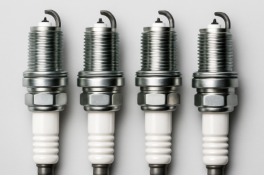 Spark plugs are one of the most important components in any gasoline engine. They ensure that the fuel and air mixture in the cylinder ignites at the right moment and with sufficient force. Without properly functioning spark plugs, your car will not start, lose power, or use more fuel.
In this article, we'll explain how spark plugs work, what types there are, when to change them, and what symptoms indicate wear .
What is a spark plug ?
A spark plug is a device located in an engine that creates an electrical spark to ignite the fuel-air mixture in the cylinder.
Each cylinder has its own spark plug, and they work together with an ignition coil, which generates high voltage to create a spark between the electrodes of the plug.
How does a spark plug work?
The ignition coil generates high voltage (up to 40,000 V).
High voltage travels to the center electrode of the spark plug.
A spark is generated between the electrodes , which ignites the fuel-air mi
... More...
Spark plugs are one of the most important components in any gasoline engine. They ensure that the fuel and air mixture in the cylinder ignites at the right moment and with sufficient force. Without properly functioning spark plugs, your car will not start, lose power, or use more fuel.
In this article, we'll explain how spark plugs work, what types there are, when to change them, and what symptoms indicate wear .
What is a spark plug ?
A spark plug is a device located in an engine that creates an electrical spark to ignite the fuel-air mixture in the cylinder.
Each cylinder has its own spark plug, and they work together with an ignition coil, which generates high voltage to create a spark between the electrodes of the plug.
How does a spark plug work?
The ignition coil generates high voltage (up to 40,000 V).
High voltage travels to the center electrode of the spark plug.
A spark is generated between the electrodes , which ignites the fuel-air mi
... More...
 Car coil springs are one of the most important components in a vehicle's suspension system. Their main function is to absorb shocks from road irregularities , maintain the car's ride height, and ensure a comfortable and stable ride. The most common type of spring on modern cars is the coil spring , which ensures durability, smooth suspension, and good handling.
This article provides a comprehensive overview of car springs, their working principle, types, maintenance, and common problems.
What are car coil springs?
Car coil springs are elastic metal parts that:
bear the weight of the vehicle,
dampen shocks and vibrations,
keep the tires in contact with the road surface,
ensure stable operation of the suspension system.
Every time the car goes over a pothole or hill, the springs contract and release to reduce the impact that would otherwise be transmitted directly to the body and passengers.
coil springs – the most common type of sprin
... More...
Car coil springs are one of the most important components in a vehicle's suspension system. Their main function is to absorb shocks from road irregularities , maintain the car's ride height, and ensure a comfortable and stable ride. The most common type of spring on modern cars is the coil spring , which ensures durability, smooth suspension, and good handling.
This article provides a comprehensive overview of car springs, their working principle, types, maintenance, and common problems.
What are car coil springs?
Car coil springs are elastic metal parts that:
bear the weight of the vehicle,
dampen shocks and vibrations,
keep the tires in contact with the road surface,
ensure stable operation of the suspension system.
Every time the car goes over a pothole or hill, the springs contract and release to reduce the impact that would otherwise be transmitted directly to the body and passengers.
coil springs – the most common type of sprin
... More...
 One of the biggest fears of every car owner is the moment when the yellow check engine light suddenly comes on on the dashboard. Is the fault trivial or is there something serious wrong with the engine?
What is OBD2 and why do you need it?
Most cars manufactured after 2001 use the standard OBD2 system. By plugging the device into your car's socket, you can access the information that the car's brain sees.
3 types of diagnostic equipment: what to choose?
Not all devices are created equal. Here's a visual guide:
1. simple error code reader
reads and erases engine fault codes. suitable for the average user.
... More...
One of the biggest fears of every car owner is the moment when the yellow check engine light suddenly comes on on the dashboard. Is the fault trivial or is there something serious wrong with the engine?
What is OBD2 and why do you need it?
Most cars manufactured after 2001 use the standard OBD2 system. By plugging the device into your car's socket, you can access the information that the car's brain sees.
3 types of diagnostic equipment: what to choose?
Not all devices are created equal. Here's a visual guide:
1. simple error code reader
reads and erases engine fault codes. suitable for the average user.
... More...
 When you open the hood of your car, you're faced with a complex maze of hoses, wires, and belts. To many car owners, these black rubber bands are just "some belts," but in reality, they play a critical role in the operation of your engine.
Without these belts, your car wouldn't run, your battery wouldn't charge, and your steering wheel would be as heavy as a rock. In this article, we'll explain the difference between the main types of belts – timing belts and V-ribbed belts – and why replacing them on time is cheaper than repairing your engine.
There are several different belts under the hood, each with its own function.
1. Timing belt – the heart of the engine
The timing belt is arguably the most important belt in your car. It's hidden under the engine covers and you don't usually see it when you open the hood.
What is its function?
The timing belt synchronizes the operation of the engine's crankshaft and camshaft. Simply put, it ensures that the engine's valves
... More...
When you open the hood of your car, you're faced with a complex maze of hoses, wires, and belts. To many car owners, these black rubber bands are just "some belts," but in reality, they play a critical role in the operation of your engine.
Without these belts, your car wouldn't run, your battery wouldn't charge, and your steering wheel would be as heavy as a rock. In this article, we'll explain the difference between the main types of belts – timing belts and V-ribbed belts – and why replacing them on time is cheaper than repairing your engine.
There are several different belts under the hood, each with its own function.
1. Timing belt – the heart of the engine
The timing belt is arguably the most important belt in your car. It's hidden under the engine covers and you don't usually see it when you open the hood.
What is its function?
The timing belt synchronizes the operation of the engine's crankshaft and camshaft. Simply put, it ensures that the engine's valves
... More...
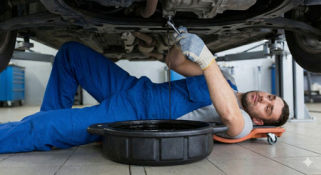 Changing your engine oil is one of the most important and frequent maintenance tasks your car needs. While many car owners prefer to take it to a service center, changing your oil at home is actually a do-it-yourself task that almost anyone can do. Not only will it save you money, it will also help you get to know your vehicle better.
In this guide, we'll explain how to choose the right oil, what tools you need, and how to carry out the change process safely.
Why is regular oil changes critical?
The function of engine oil is to reduce friction between moving parts, cool the engine and collect dirt. Over time, the properties of the oil deteriorate:
lubrication capacity decreases: the risk of engine wear increases.
Dirt accumulates: old oil contains soot and metal particles.
fuel consumption increases: old and thickened oil increases resistance.
The general recommendation is to change the oil every 10,000 - 15,000 km or once a year, depending on the car manufactur
... More...
Changing your engine oil is one of the most important and frequent maintenance tasks your car needs. While many car owners prefer to take it to a service center, changing your oil at home is actually a do-it-yourself task that almost anyone can do. Not only will it save you money, it will also help you get to know your vehicle better.
In this guide, we'll explain how to choose the right oil, what tools you need, and how to carry out the change process safely.
Why is regular oil changes critical?
The function of engine oil is to reduce friction between moving parts, cool the engine and collect dirt. Over time, the properties of the oil deteriorate:
lubrication capacity decreases: the risk of engine wear increases.
Dirt accumulates: old oil contains soot and metal particles.
fuel consumption increases: old and thickened oil increases resistance.
The general recommendation is to change the oil every 10,000 - 15,000 km or once a year, depending on the car manufactur
... More...
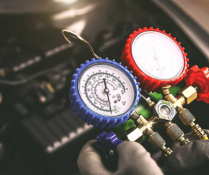 types of car climate oils
1. pag oils (polyalkylene glycol)
The most common type of car air conditioning oil for R134a and R1234yf refrigerants.
Why is pag oil used?
mixes very well with refrigerant
ensures smooth operation of the compressor
suitable for most modern vehicles
The main viscosity classes of pag oils:
page 46 – for smaller compressors, new cars
pag 100 – for standard compressors
pag 150 – for larger systems (trucks, buses)
pros:
optimal compatibility with R134a and R1234yf systems
good lubricity
disadvantages:
hygroscopic (draws moisture from the air)
2. store oils (polyol ester)
The store's oils are also synthetic and are particularly suitable for electric compressors and hybrid cars , where electrical insulation is required.
What is store oil used for?
in r134a and r1234yf systems
in vehicles where the compressor is electrically cont
... More...
types of car climate oils
1. pag oils (polyalkylene glycol)
The most common type of car air conditioning oil for R134a and R1234yf refrigerants.
Why is pag oil used?
mixes very well with refrigerant
ensures smooth operation of the compressor
suitable for most modern vehicles
The main viscosity classes of pag oils:
page 46 – for smaller compressors, new cars
pag 100 – for standard compressors
pag 150 – for larger systems (trucks, buses)
pros:
optimal compatibility with R134a and R1234yf systems
good lubricity
disadvantages:
hygroscopic (draws moisture from the air)
2. store oils (polyol ester)
The store's oils are also synthetic and are particularly suitable for electric compressors and hybrid cars , where electrical insulation is required.
What is store oil used for?
in r134a and r1234yf systems
in vehicles where the compressor is electrically cont
... More...
 1. API GL-5 – the most common differential class
the most important global standard.
intended for:
rear axles
hypoid gears
SUV locking differentials
4x4, AWD and heavy-duty transmissions
GL-5 contains high EP (extreme pressure) additives that provide gear protection.
Note: GL-5 does not fit many manual transmissions, but it does fit most differentials .
2. API GL-6 (obsolete, rarely used)
designed for hypoid gears with very extreme loads.
... More...
1. API GL-5 – the most common differential class
the most important global standard.
intended for:
rear axles
hypoid gears
SUV locking differentials
4x4, AWD and heavy-duty transmissions
GL-5 contains high EP (extreme pressure) additives that provide gear protection.
Note: GL-5 does not fit many manual transmissions, but it does fit most differentials .
2. API GL-6 (obsolete, rarely used)
designed for hypoid gears with very extreme loads.
... More...
 String lights are one of the easiest ways to instantly give a room or yard a warm and cozy feel. Whether it's Christmas, a birthday, a wedding, or just a dark evening - string lights are suitable for any season and almost any place.
What is a light chain?
A string of lights is a long wire with small bulbs attached to it. These days, most of them have LED bulbs, which:
consume little electricity
doesn't get hot
last a long time
The light chain can be:
warm white – cozy, yellowish light
cold white – brighter and “snowier” tone
colorful – red, blue, green, etc.
Where are string lights used?
1. room and home furnishings
window sills and curtain rods
shelves, mirror frames, headboard
children's room and play corner
The light chain provides gentle background light that is not dazzling and is ideal for a peaceful evening.
2. balcony and terrace
to the balcony railing
... More...
String lights are one of the easiest ways to instantly give a room or yard a warm and cozy feel. Whether it's Christmas, a birthday, a wedding, or just a dark evening - string lights are suitable for any season and almost any place.
What is a light chain?
A string of lights is a long wire with small bulbs attached to it. These days, most of them have LED bulbs, which:
consume little electricity
doesn't get hot
last a long time
The light chain can be:
warm white – cozy, yellowish light
cold white – brighter and “snowier” tone
colorful – red, blue, green, etc.
Where are string lights used?
1. room and home furnishings
window sills and curtain rods
shelves, mirror frames, headboard
children's room and play corner
The light chain provides gentle background light that is not dazzling and is ideal for a peaceful evening.
2. balcony and terrace
to the balcony railing
... More...
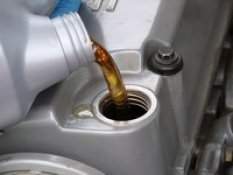 The reliability and smooth shifting of manual transmissions depend largely on the correct transmission fluid. Different car manufacturers and transmission manufacturers use their own standards, which must be strictly followed during maintenance or oil changes. The wrong oil can cause difficult gear shifting, wear of synchronizers or even transmission failure. In this article, we will review the most common manual transmission oil specifications , which apply to European, Asian, and American passenger cars. Why is manual transmission specification important? Each manual transmission uses a specific type of oil with friction additives, which must ensure: seamless synchronization protection of metal surfaces low wear stable behavior in both cold and hot conditions ATF oils from automatic transmissions are not suitable for manual transmissions (except for individual manufacturer codes).
... More...
The reliability and smooth shifting of manual transmissions depend largely on the correct transmission fluid. Different car manufacturers and transmission manufacturers use their own standards, which must be strictly followed during maintenance or oil changes. The wrong oil can cause difficult gear shifting, wear of synchronizers or even transmission failure. In this article, we will review the most common manual transmission oil specifications , which apply to European, Asian, and American passenger cars. Why is manual transmission specification important? Each manual transmission uses a specific type of oil with friction additives, which must ensure: seamless synchronization protection of metal surfaces low wear stable behavior in both cold and hot conditions ATF oils from automatic transmissions are not suitable for manual transmissions (except for individual manufacturer codes).
... More...
 Rapid wear of wiper blades is a problem that can occur even on brand new cars. If new wiper blades start to streak, leave spots on the glass or start to skip after just a few weeks or months, the fault is usually not with the product itself. Most often, the cause is invisible dirt accumulated on the surface of the windshield or the wipers are working at the wrong angle.
Below is an overview of the main causes and solutions.
... More...
Rapid wear of wiper blades is a problem that can occur even on brand new cars. If new wiper blades start to streak, leave spots on the glass or start to skip after just a few weeks or months, the fault is usually not with the product itself. Most often, the cause is invisible dirt accumulated on the surface of the windshield or the wipers are working at the wrong angle.
Below is an overview of the main causes and solutions.
... More...
 Complete guide to protecting wires: using spiral protection and slotted cable protection tube
Protecting wires and cables is important in home electrical installations, cars, industrial equipment and IT rooms. Over time, cables can become damaged due to mechanical pressure, vibration, bending or heat. Two very common solutions are used to prevent this: spiral wrap and split conduit .
What is spiral protection ?
Spiral protection is a flexible plastic or polyethylene covering that resembles a spiral. It is wrapped around a bundle of wires, creating a uniform and tidy collection of cables.
... More...
Complete guide to protecting wires: using spiral protection and slotted cable protection tube
Protecting wires and cables is important in home electrical installations, cars, industrial equipment and IT rooms. Over time, cables can become damaged due to mechanical pressure, vibration, bending or heat. Two very common solutions are used to prevent this: spiral wrap and split conduit .
What is spiral protection ?
Spiral protection is a flexible plastic or polyethylene covering that resembles a spiral. It is wrapped around a bundle of wires, creating a uniform and tidy collection of cables.
... More...
 Bimetallic means that the tool is made of two different metals , combined into one strong blade or blade.
... More...
Bimetallic means that the tool is made of two different metals , combined into one strong blade or blade.
... More...
 What is ATF oil? ATF (Automatic Transmission Fluid) is a special oil used in automatic transmissions to ensure smooth and precise gear changes, lubricate moving components and protect the transmission from wear and overheating. Unlike engine oil, ATF oil must withstand a wide range of complex operating conditions – it must have a certain coefficient of friction, thermally stable viscosity and high heat resistance so that the transmission can operate accurately, quickly and without failures.
... More...
What is ATF oil? ATF (Automatic Transmission Fluid) is a special oil used in automatic transmissions to ensure smooth and precise gear changes, lubricate moving components and protect the transmission from wear and overheating. Unlike engine oil, ATF oil must withstand a wide range of complex operating conditions – it must have a certain coefficient of friction, thermally stable viscosity and high heat resistance so that the transmission can operate accurately, quickly and without failures.
... More...
 Here you will find the specifications of the most common engine oils for passenger cars of the most popular car brands.
What does the car engine oil specification mean?
An automotive engine oil specification is a system of quality and suitability requirements established by manufacturers and international organizations that indicates which engine a particular oil is suitable for . An oil specification does not only talk about thickness (e.g. 5w-30), but also about chemical composition, cleaning ability, wear protection and suitability for different engine types .
When choosing engine oil, specification is often even more important than viscosity , as the wrong grade of oil can damage the engine or void the warranty.
All manufacturers use recognized standards to ensure the suitability and quality of their oils. The most common are:
OEM approvals
... More...
Here you will find the specifications of the most common engine oils for passenger cars of the most popular car brands.
What does the car engine oil specification mean?
An automotive engine oil specification is a system of quality and suitability requirements established by manufacturers and international organizations that indicates which engine a particular oil is suitable for . An oil specification does not only talk about thickness (e.g. 5w-30), but also about chemical composition, cleaning ability, wear protection and suitability for different engine types .
When choosing engine oil, specification is often even more important than viscosity , as the wrong grade of oil can damage the engine or void the warranty.
All manufacturers use recognized standards to ensure the suitability and quality of their oils. The most common are:
OEM approvals
... More...
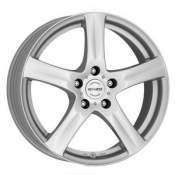 Always refer to your car manufacturer’s specifications. The most important parameters when choosing wheels are: diameter, bolt pattern, width, and ET (offset). You can find this information in your car’s owner’s manual, from your car dealer, or online. Useful websites that provide wheel and tire data:
... More...
Always refer to your car manufacturer’s specifications. The most important parameters when choosing wheels are: diameter, bolt pattern, width, and ET (offset). You can find this information in your car’s owner’s manual, from your car dealer, or online. Useful websites that provide wheel and tire data:
... More...
 We offer a cheaper shipping price depending on the total amount of your order.
... More...
We offer a cheaper shipping price depending on the total amount of your order.
... More...
 Ak24parts.com: Günstige europäische Autoteile mit schnellem Versand in Deutschland
Als Teil der 2005 gegründeten Autokaubad24 OÜ-Gruppe haben wir uns einen Namen als Anbieter hochwertiger Autoersatzteile zu den wettbewerbsfähigsten Preisen am Markt gemacht.
... More...
Ak24parts.com: Günstige europäische Autoteile mit schnellem Versand in Deutschland
Als Teil der 2005 gegründeten Autokaubad24 OÜ-Gruppe haben wir uns einen Namen als Anbieter hochwertiger Autoersatzteile zu den wettbewerbsfähigsten Preisen am Markt gemacht.
... More...
 Thule roof racks can be easily selected using the vehicle-specific search tool available on the Thule website, which you can find here!
... More...
Thule roof racks can be easily selected using the vehicle-specific search tool available on the Thule website, which you can find here!
... More...
 Auto Drum Brake Structure, Working Principle, and Components Overview
Drum brakes are one of the oldest braking systems used in many vehicles, especially older models or vehicles where compact packaging with high braking force is required. The drum brake system operates mechanically by applying brake shoes against the brake drum to slow down or stop the vehicle. The construction and working principle of drum brakes are relatively complex as they contain multiple components that work together to ensure effective and reliable braking.
General Working Principle of a Drum Brake:
The drum brake consists of brake pads, a wheel cylinder, and a brake drum, to which braking force is applied. When the brake pedal is pressed, the wheel cylinder uses hydraulic pressure to push the brake shoes against the drum, creating friction that slows down the vehicle.
The working principle of a drum brake is that the brake shoes move outward from the inside of the drum to stop the wheel’s rotation
... More...
Previous 1 2 3 4 5 ... 8 9 10 11 Next
Auto Drum Brake Structure, Working Principle, and Components Overview
Drum brakes are one of the oldest braking systems used in many vehicles, especially older models or vehicles where compact packaging with high braking force is required. The drum brake system operates mechanically by applying brake shoes against the brake drum to slow down or stop the vehicle. The construction and working principle of drum brakes are relatively complex as they contain multiple components that work together to ensure effective and reliable braking.
General Working Principle of a Drum Brake:
The drum brake consists of brake pads, a wheel cylinder, and a brake drum, to which braking force is applied. When the brake pedal is pressed, the wheel cylinder uses hydraulic pressure to push the brake shoes against the drum, creating friction that slows down the vehicle.
The working principle of a drum brake is that the brake shoes move outward from the inside of the drum to stop the wheel’s rotation
... More...
Previous 1 2 3 4 5 ... 8 9 10 11 Next
Car spark plugs – what are they and how do they work?
Spark plugs are one of the most important components in any gasoline engine. They ensure that the fuel and air mixture in the cylinder ignites at the right moment and with sufficient force. Without properly functioning spark plugs, your car will not start, lose power, or use more fuel.
In this article, we'll explain how spark plugs work, what types there are, when to change them, and what symptoms indicate wear .
What is a spark plug ?
A spark plug is a device located in an engine that creates an electrical spark to ignite the fuel-air mixture in the cylinder.
Each cylinder has its own spark plug, and they work together with an ignition coil, which generates high voltage to create a spark between the electrodes of the plug.
How does a spark plug work?
The ignition coil generates high voltage (up to 40,000 V).
High voltage travels to the center electrode of the spark plug.
A spark is generated between the electrodes , which ignites the fuel-air mi
... More...
car springs – coil springs and their role in vehicle suspension
Car coil springs are one of the most important components in a vehicle's suspension system. Their main function is to absorb shocks from road irregularities , maintain the car's ride height, and ensure a comfortable and stable ride. The most common type of spring on modern cars is the coil spring , which ensures durability, smooth suspension, and good handling.
This article provides a comprehensive overview of car springs, their working principle, types, maintenance, and common problems.
What are car coil springs?
Car coil springs are elastic metal parts that:
bear the weight of the vehicle,
dampen shocks and vibrations,
keep the tires in contact with the road surface,
ensure stable operation of the suspension system.
Every time the car goes over a pothole or hill, the springs contract and release to reduce the impact that would otherwise be transmitted directly to the body and passengers.
coil springs – the most common type of sprin
... More...
How to choose the right diagnostic scanner for your car? The complete guide to diagnostic equipment
One of the biggest fears of every car owner is the moment when the yellow check engine light suddenly comes on on the dashboard. Is the fault trivial or is there something serious wrong with the engine?
What is OBD2 and why do you need it?
Most cars manufactured after 2001 use the standard OBD2 system. By plugging the device into your car's socket, you can access the information that the car's brain sees.
3 types of diagnostic equipment: what to choose?
Not all devices are created equal. Here's a visual guide:
1. simple error code reader
reads and erases engine fault codes. suitable for the average user.
... More...
Car belts: The under-the-hood heroes that keep the engine running
When you open the hood of your car, you're faced with a complex maze of hoses, wires, and belts. To many car owners, these black rubber bands are just "some belts," but in reality, they play a critical role in the operation of your engine.
Without these belts, your car wouldn't run, your battery wouldn't charge, and your steering wheel would be as heavy as a rock. In this article, we'll explain the difference between the main types of belts – timing belts and V-ribbed belts – and why replacing them on time is cheaper than repairing your engine.
There are several different belts under the hood, each with its own function.
1. Timing belt – the heart of the engine
The timing belt is arguably the most important belt in your car. It's hidden under the engine covers and you don't usually see it when you open the hood.
What is its function?
The timing belt synchronizes the operation of the engine's crankshaft and camshaft. Simply put, it ensures that the engine's valves
... More...
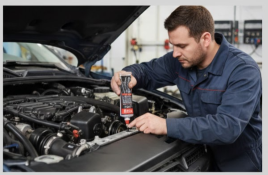
Changing car engine oil at home: step-by-step guide and tips for beginners
Changing your engine oil is one of the most important and frequent maintenance tasks your car needs. While many car owners prefer to take it to a service center, changing your oil at home is actually a do-it-yourself task that almost anyone can do. Not only will it save you money, it will also help you get to know your vehicle better.
In this guide, we'll explain how to choose the right oil, what tools you need, and how to carry out the change process safely.
Why is regular oil changes critical?
The function of engine oil is to reduce friction between moving parts, cool the engine and collect dirt. Over time, the properties of the oil deteriorate:
lubrication capacity decreases: the risk of engine wear increases.
Dirt accumulates: old oil contains soot and metal particles.
fuel consumption increases: old and thickened oil increases resistance.
The general recommendation is to change the oil every 10,000 - 15,000 km or once a year, depending on the car manufactur
... More...
Air conditioning compressor oils: differences, selection and use
types of car climate oils
1. pag oils (polyalkylene glycol)
The most common type of car air conditioning oil for R134a and R1234yf refrigerants.
Why is pag oil used?
mixes very well with refrigerant
ensures smooth operation of the compressor
suitable for most modern vehicles
The main viscosity classes of pag oils:
page 46 – for smaller compressors, new cars
pag 100 – for standard compressors
pag 150 – for larger systems (trucks, buses)
pros:
optimal compatibility with R134a and R1234yf systems
good lubricity
disadvantages:
hygroscopic (draws moisture from the air)
2. store oils (polyol ester)
The store's oils are also synthetic and are particularly suitable for electric compressors and hybrid cars , where electrical insulation is required.
What is store oil used for?
in r134a and r1234yf systems
in vehicles where the compressor is electrically cont
... More...
Most common differential oil specifications
1. API GL-5 – the most common differential class
the most important global standard.
intended for:
rear axles
hypoid gears
SUV locking differentials
4x4, AWD and heavy-duty transmissions
GL-5 contains high EP (extreme pressure) additives that provide gear protection.
Note: GL-5 does not fit many manual transmissions, but it does fit most differentials .
2. API GL-6 (obsolete, rarely used)
designed for hypoid gears with very extreme loads.
... More...
String lights – an easy way to make any room cozy
String lights are one of the easiest ways to instantly give a room or yard a warm and cozy feel. Whether it's Christmas, a birthday, a wedding, or just a dark evening - string lights are suitable for any season and almost any place.
What is a light chain?
A string of lights is a long wire with small bulbs attached to it. These days, most of them have LED bulbs, which:
consume little electricity
doesn't get hot
last a long time
The light chain can be:
warm white – cozy, yellowish light
cold white – brighter and “snowier” tone
colorful – red, blue, green, etc.
Where are string lights used?
1. room and home furnishings
window sills and curtain rods
shelves, mirror frames, headboard
children's room and play corner
The light chain provides gentle background light that is not dazzling and is ideal for a peaceful evening.
2. balcony and terrace
to the balcony railing
... More...
The most common manual transmission specifications. What they mean and why they are needed
The reliability and smooth shifting of manual transmissions depend largely on the correct transmission fluid. Different car manufacturers and transmission manufacturers use their own standards, which must be strictly followed during maintenance or oil changes. The wrong oil can cause difficult gear shifting, wear of synchronizers or even transmission failure. In this article, we will review the most common manual transmission oil specifications , which apply to European, Asian, and American passenger cars. Why is manual transmission specification important? Each manual transmission uses a specific type of oil with friction additives, which must ensure: seamless synchronization protection of metal surfaces low wear stable behavior in both cold and hot conditions ATF oils from automatic transmissions are not suitable for manual transmissions (except for individual manufacturer codes).
... More...
Why do wiper blades spoil quickly? Causes and effective solutions with deep cleaning
Rapid wear of wiper blades is a problem that can occur even on brand new cars. If new wiper blades start to streak, leave spots on the glass or start to skip after just a few weeks or months, the fault is usually not with the product itself. Most often, the cause is invisible dirt accumulated on the surface of the windshield or the wipers are working at the wrong angle.
Below is an overview of the main causes and solutions.
... More...
How to protect wires? A simple guide to spiral protection and cable protection tube
Complete guide to protecting wires: using spiral protection and slotted cable protection tube
Protecting wires and cables is important in home electrical installations, cars, industrial equipment and IT rooms. Over time, cables can become damaged due to mechanical pressure, vibration, bending or heat. Two very common solutions are used to prevent this: spiral wrap and split conduit .
What is spiral protection ?
Spiral protection is a flexible plastic or polyethylene covering that resembles a spiral. It is wrapped around a bundle of wires, creating a uniform and tidy collection of cables.
... More...
What does bimetal mean?
Bimetallic means that the tool is made of two different metals , combined into one strong blade or blade.
... More...
Specifications of the most common car automatic transmission oils (ATF)
What is ATF oil? ATF (Automatic Transmission Fluid) is a special oil used in automatic transmissions to ensure smooth and precise gear changes, lubricate moving components and protect the transmission from wear and overheating. Unlike engine oil, ATF oil must withstand a wide range of complex operating conditions – it must have a certain coefficient of friction, thermally stable viscosity and high heat resistance so that the transmission can operate accurately, quickly and without failures.
... More...
Specifications of the most common car engine oils
Here you will find the specifications of the most common engine oils for passenger cars of the most popular car brands.
What does the car engine oil specification mean?
An automotive engine oil specification is a system of quality and suitability requirements established by manufacturers and international organizations that indicates which engine a particular oil is suitable for . An oil specification does not only talk about thickness (e.g. 5w-30), but also about chemical composition, cleaning ability, wear protection and suitability for different engine types .
When choosing engine oil, specification is often even more important than viscosity , as the wrong grade of oil can damage the engine or void the warranty.
All manufacturers use recognized standards to ensure the suitability and quality of their oils. The most common are:
OEM approvals
... More...
How to Choose the Right Wheels for Your Car: Complete Guide
Always refer to your car manufacturer’s specifications. The most important parameters when choosing wheels are: diameter, bolt pattern, width, and ET (offset). You can find this information in your car’s owner’s manual, from your car dealer, or online. Useful websites that provide wheel and tire data:
... More...
Discounts on delivery prices
We offer a cheaper shipping price depending on the total amount of your order.
... More...
Autoteile Online Shop mit schnellem Versand in Deutschland
Ak24parts.com: Günstige europäische Autoteile mit schnellem Versand in Deutschland
Als Teil der 2005 gegründeten Autokaubad24 OÜ-Gruppe haben wir uns einen Namen als Anbieter hochwertiger Autoersatzteile zu den wettbewerbsfähigsten Preisen am Markt gemacht.
... More...
Thule roof rack buying guide
Thule roof racks can be easily selected using the vehicle-specific search tool available on the Thule website, which you can find here!
... More...
Car drum brake construction and parts
Auto Drum Brake Structure, Working Principle, and Components Overview
Drum brakes are one of the oldest braking systems used in many vehicles, especially older models or vehicles where compact packaging with high braking force is required. The drum brake system operates mechanically by applying brake shoes against the brake drum to slow down or stop the vehicle. The construction and working principle of drum brakes are relatively complex as they contain multiple components that work together to ensure effective and reliable braking.
General Working Principle of a Drum Brake:
The drum brake consists of brake pads, a wheel cylinder, and a brake drum, to which braking force is applied. When the brake pedal is pressed, the wheel cylinder uses hydraulic pressure to push the brake shoes against the drum, creating friction that slows down the vehicle.
The working principle of a drum brake is that the brake shoes move outward from the inside of the drum to stop the wheel’s rotation
... More...
 The data shown here, especially the complete database of car spare parts, may not be copied. It is strictly prohibited to duplicate the data and database and distribute the same, and/or instruct third parties to engage in such activities, without prior consent from TecAlliance. Any use of content in a manner not expressly authorized constitutes copyright infringement and violators will be prosecuted.