

Oils > Gearbox oil
Pick your vehicle
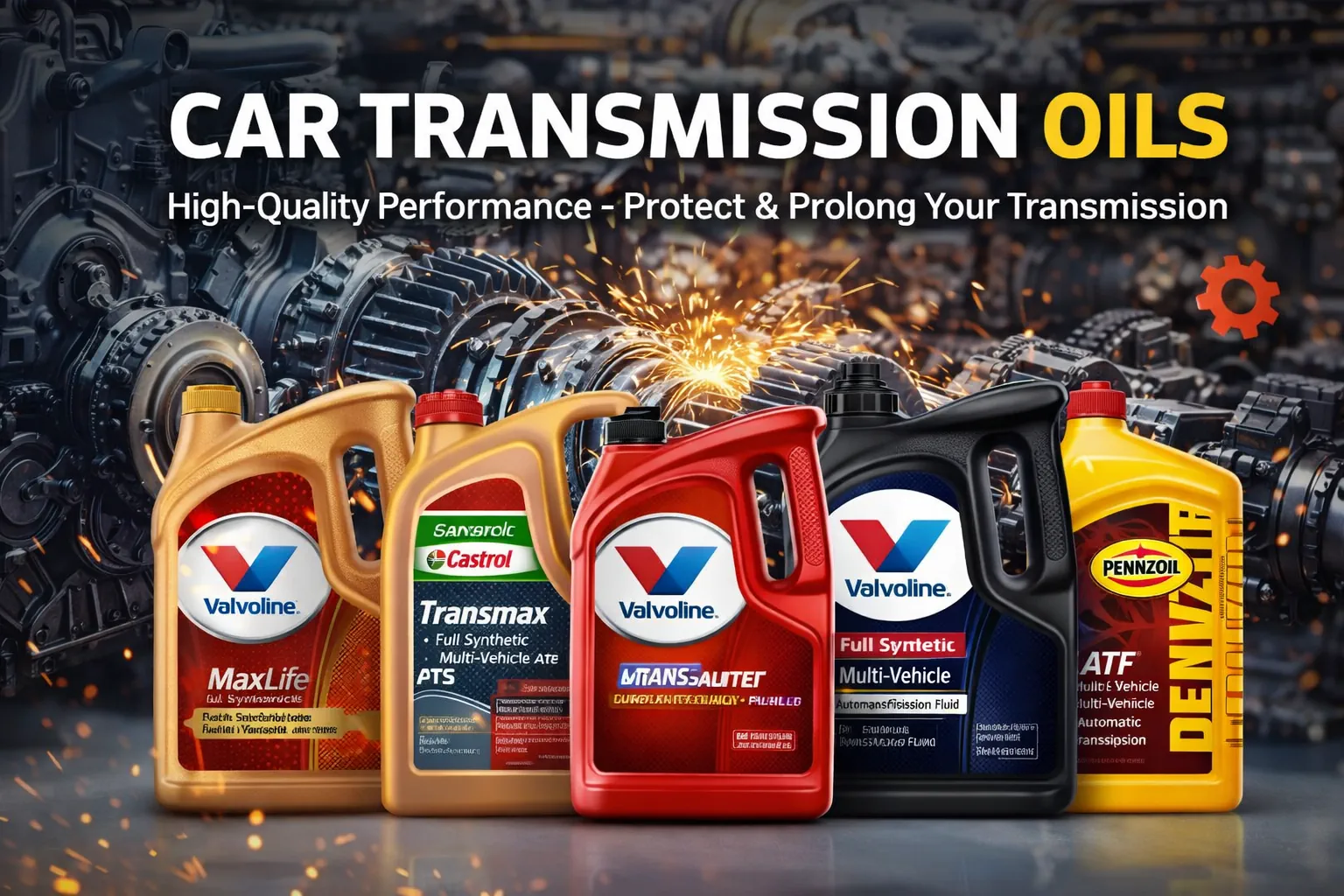
Understanding Car Transmission Oil: Vital for Vehicle Performance and Longevity
Transmission oil is an essential component in ensuring your vehicle’s transmission system operates smoothly. Whether you drive a manual, automatic, or continuously variable transmission (CVT) vehicle, transmission oil plays a critical role in lubricating, cooling, and protecting various moving parts within the transmission. A properly maintained transmission system, aided by clean and effective transmission oil, can significantly extend the lifespan of your vehicle, improve fuel efficiency, and enhance overall driving performance.
In this article, we’ll explore what transmission oil is, why it’s important, the different types available, how to check and change it, and how to maintain it to ensure the optimal performance of your car's transmission.
What is Transmission Oil?
Transmission oil, also known as transmission fluid, is a specially formulated lubricant used in a vehicle’s transmission system. Its primary function is to reduce friction between the gears, shafts, and other moving parts within the transmission. This lubrication prevents excessive wear and tear, ensuring that the parts continue to function smoothly over time.
In addition to lubricating the transmission components, transmission oil serves other vital functions:
-
Cooling: The oil helps dissipate heat generated during the operation of the transmission. Without adequate cooling, transmission components can overheat, leading to potential damage and failure.
-
Cleaning: Transmission fluid helps keep the transmission clean by flushing out dirt, debris, and metal particles that might accumulate as a result of normal wear and tear.
-
Sealing: Transmission oil also acts as a sealant in the transmission system, ensuring that seals and gaskets remain intact, preventing leaks and contamination.
-
Hydraulic Function: In automatic transmissions, transmission oil is used as a hydraulic fluid to facilitate smooth gear shifting, making it essential for the proper functioning of automatic gearboxes.
Types of Transmission Oil
There are several types of transmission oils available, each designed for different transmission types and driving conditions. It's crucial to choose the right type of fluid for your vehicle's specific transmission system.
-
Manual Transmission Fluid (MTF): Manual transmissions generally require thicker oil for lubrication. MTF helps reduce friction between the gears and shafts while also providing a smooth feel when shifting. The fluid is typically thicker and more viscous compared to other transmission fluids.
-
Automatic Transmission Fluid (ATF): As the name suggests, ATF is used in automatic transmissions. It has a thinner consistency compared to manual transmission fluid and is designed to handle higher temperatures, as well as the demands of the hydraulic system that powers automatic gear shifts. ATF also includes additives to enhance its performance in automatic transmissions.
-
Continuously Variable Transmission Fluid (CVT Fluid): Vehicles equipped with a continuously variable transmission (CVT) require specialized transmission fluid, which is typically thinner and more fluid than both manual and automatic transmission oils. CVT fluid is designed to work with the unique belt or pulley systems in CVT transmissions, allowing for smooth and seamless gear transitions.
-
Dual-Clutch Transmission Fluid (DCT Fluid): Dual-clutch transmissions, which combine the features of both manual and automatic transmissions, require their own specific fluid. DCT fluid is specially formulated to handle the high-performance demands of these transmissions, providing lubrication and hydraulic function for the dual-clutch system.
-
Synthetic vs. Conventional Transmission Fluid: Synthetic transmission oils are artificially engineered to provide better performance and longer-lasting protection compared to conventional oils. Synthetic oils tend to perform better in extreme temperatures, providing enhanced lubrication, cooling, and stability. Conventional oils, while effective, may need to be changed more frequently than synthetic alternatives.
Importance of Transmission Oil
Transmission oil plays a critical role in the longevity and performance of your vehicle’s transmission system. Here’s why keeping the transmission oil in optimal condition is essential:
-
Prevents Overheating: The transmission system generates heat, and transmission fluid helps to dissipate this heat. Without sufficient lubrication and cooling, the components could overheat and degrade, leading to transmission failure.
-
Reduces Wear and Tear: Transmission oil acts as a lubricant for all the moving parts within the transmission. It reduces friction, preventing parts from grinding against each other, which would cause premature wear and tear.
-
Improves Shifting Performance: Clean and sufficient transmission oil ensures smooth gear shifts in both manual and automatic transmissions. Old or contaminated fluid can cause rough or delayed shifting, which can be uncomfortable and potentially damaging to the transmission.
-
Protects Against Contamination: Transmission oil helps prevent metal shavings and dirt from accumulating inside the transmission. Over time, contaminants can build up and cause the system to malfunction. The fluid’s cleaning properties help to flush out debris, keeping the transmission system running smoothly.
-
Enhances Transmission Efficiency: Properly maintained transmission fluid ensures that the transmission operates efficiently, contributing to better fuel economy and smoother overall vehicle performance.
How to Check Transmission Oil
Regularly checking your transmission oil is crucial to ensure that it remains at the right level and is in good condition. Here’s how to check it:
-
Locate the Dipstick: Most vehicles with automatic transmissions have a transmission dipstick. This can usually be found near the back of the engine bay. If your car has a manual transmission, checking the oil might involve removing a drain plug to access the fluid level.
-
Warm Up the Engine: Make sure the engine is warmed up before checking the transmission fluid. This ensures that the fluid is properly circulated throughout the system.
-
Check the Fluid Level: Remove the dipstick, wipe it clean with a rag, and then reinsert it fully. Pull the dipstick out again to check the fluid level. There should be a marked range showing the acceptable fluid level. If the fluid is low, you may need to add more.
-
Inspect the Fluid Condition: Transmission oil should be a clear red or pink color if it's in good condition. If the fluid appears dark brown or black, it may be dirty or burnt, indicating that it needs to be changed. Additionally, if the fluid has a burnt smell, it is a sign of overheating and deterioration.
How to Change Transmission Oil
Changing transmission oil varies depending on the type of transmission, but here are general steps for an automatic transmission:
-
Lift the Car: Use a car jack to lift the vehicle and place it securely on jack stands. Make sure the vehicle is on a level surface.
-
Drain the Old Fluid: Remove the transmission pan and drain the old fluid into a suitable container. Some vehicles may have a drain plug for easier fluid removal.
-
Replace the Filter (If Applicable): Some vehicles have a filter inside the transmission pan that should be replaced along with the fluid.
-
Install the Pan and Refill: After draining the old fluid and replacing the filter, reinstall the transmission pan and refill the transmission with the appropriate fluid. Be sure to use the correct type and amount of fluid as specified in the vehicle’s manual.
-
Check the Fluid Level: After refilling, start the engine and allow it to warm up. Check the fluid level again and adjust if necessary.
Signs Your Transmission Oil Needs Attention
There are a few signs that indicate your transmission oil may need to be checked or changed:
-
Rough Shifting: If your car shifts gears roughly, or there is hesitation or delayed shifting, it may indicate that the transmission oil is dirty or low.
-
Unusual Sounds: Grinding, whining, or clunking noises coming from the transmission can be a sign that the oil is old or that the system is lacking proper lubrication.
-
Slipping Gears: If the transmission unexpectedly slips out of gear or has difficulty staying in gear, it could indicate low or contaminated oil.
-
Warning Lights: Some vehicles have a transmission temperature warning light or an oil pressure light that may illuminate if there is an issue with the transmission fluid.
Conclusion
Transmission oil is essential for the proper functioning and longevity of your vehicle's transmission system. By ensuring that your transmission oil is clean, at the right level, and in good condition, you can avoid costly repairs and improve your vehicle’s performance. Regular checks, fluid changes, and prompt attention to any issues with your transmission fluid will help keep your vehicle running smoothly for years to come. Whether you drive a manual, automatic, or CVT-equipped vehicle, don’t overlook the importance of transmission oil in maintaining the efficiency and reliability of your car.
Car engine oil specifications
 Specifications for engine oils for VW Group cars ((Volkswagen, Audi, Seat, Skoda).
... More...
Specifications for engine oils for VW Group cars ((Volkswagen, Audi, Seat, Skoda).
... More...

Explanations of ACEA oil classes
 ACEA - European Automobile Manufacturers' Association (French: Association des Constructeurs Européens d'Automobiles) is the main lobbying and standards group for the European Union's automotive industry. Its members include: [1] BMW, DAF, Daimler AG, Fiat Chrysler Automobiles, Ford Europe, Ferrari, Honda, Hyundai Europe, Iveco, Jaguar Land Rover, Opel Group, PSA Peugeot Citroën, Renault, Toyota Europe, Volkswagen Group, Volvo Cars and Volvo Group.
... More...
ACEA - European Automobile Manufacturers' Association (French: Association des Constructeurs Européens d'Automobiles) is the main lobbying and standards group for the European Union's automotive industry. Its members include: [1] BMW, DAF, Daimler AG, Fiat Chrysler Automobiles, Ford Europe, Ferrari, Honda, Hyundai Europe, Iveco, Jaguar Land Rover, Opel Group, PSA Peugeot Citroën, Renault, Toyota Europe, Volkswagen Group, Volvo Cars and Volvo Group.
... More...
Volkswagen Longlife - oils with long oil change intervals
 Volkswagen LongLife long oil change interval maintenance modes
... More...
Volkswagen LongLife long oil change interval maintenance modes
... More...
Car oiling system: Overview, functions and maintenance
 A car's lubrication system is one of the most important components of an engine, ensuring that it runs smoothly and efficiently. The engine's lubrication system helps keep moving parts lubricated, preventing wear and overheating. Regular maintenance and understanding of this system is essential to prevent serious breakdowns and extend the life of your engine.
Functions of the car lubrication system
Lubrication: The moving parts of an engine, such as pistons, camshafts, and crankshafts, require constant lubrication to reduce friction and wear.
... More...
A car's lubrication system is one of the most important components of an engine, ensuring that it runs smoothly and efficiently. The engine's lubrication system helps keep moving parts lubricated, preventing wear and overheating. Regular maintenance and understanding of this system is essential to prevent serious breakdowns and extend the life of your engine.
Functions of the car lubrication system
Lubrication: The moving parts of an engine, such as pistons, camshafts, and crankshafts, require constant lubrication to reduce friction and wear.
... More...

Specifications of the most common car automatic transmission oils (ATF)
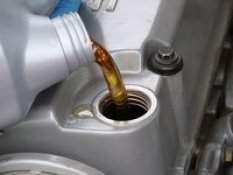 What is ATF oil? ATF (Automatic Transmission Fluid) is a special oil used in automatic transmissions to ensure smooth and precise gear changes, lubricate moving components and protect the transmission from wear and overheating. Unlike engine oil, ATF oil must withstand a wide range of complex operating conditions – it must have a certain coefficient of friction, thermally stable viscosity and high heat resistance so that the transmission can operate accurately, quickly and without failures.
... More...
What is ATF oil? ATF (Automatic Transmission Fluid) is a special oil used in automatic transmissions to ensure smooth and precise gear changes, lubricate moving components and protect the transmission from wear and overheating. Unlike engine oil, ATF oil must withstand a wide range of complex operating conditions – it must have a certain coefficient of friction, thermally stable viscosity and high heat resistance so that the transmission can operate accurately, quickly and without failures.
... More...
Why do wiper blades spoil quickly? Causes and effective solutions with deep cleaning
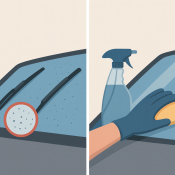 Rapid wear of wiper blades is a problem that can occur even on brand new cars. If new wiper blades start to streak, leave spots on the glass or start to skip after just a few weeks or months, the fault is usually not with the product itself. Most often, the cause is invisible dirt accumulated on the surface of the windshield or the wipers are working at the wrong angle.
Below is an overview of the main causes and solutions.
... More...
Rapid wear of wiper blades is a problem that can occur even on brand new cars. If new wiper blades start to streak, leave spots on the glass or start to skip after just a few weeks or months, the fault is usually not with the product itself. Most often, the cause is invisible dirt accumulated on the surface of the windshield or the wipers are working at the wrong angle.
Below is an overview of the main causes and solutions.
... More...

Changing car engine oil at home: step-by-step guide and tips for beginners
 Changing your engine oil is one of the most important and frequent maintenance tasks your car needs. While many car owners prefer to take it to a service center, changing your oil at home is actually a do-it-yourself task that almost anyone can do. Not only will it save you money, it will also help you get to know your vehicle better.
In this guide, we'll explain how to choose the right oil, what tools you need, and how to carry out the change process safely.
Why is regular oil changes critical?
The function of engine oil is to reduce friction between moving parts, cool the engine and collect dirt. Over time, the properties of the oil deteriorate:
lubrication capacity decreases: the risk of engine wear increases.
Dirt accumulates: old oil contains soot and metal particles.
fuel consumption increases: old and thickened oil increases resistance.
The general recommendation is to change the oil every 10,000 - 15,000 km or once a year, depending on the car manufacturer's instructions.
Preparation: What do you need?
Before you start working, make sure you have everything you need. Good preparation is half the battle.
... More...
Changing your engine oil is one of the most important and frequent maintenance tasks your car needs. While many car owners prefer to take it to a service center, changing your oil at home is actually a do-it-yourself task that almost anyone can do. Not only will it save you money, it will also help you get to know your vehicle better.
In this guide, we'll explain how to choose the right oil, what tools you need, and how to carry out the change process safely.
Why is regular oil changes critical?
The function of engine oil is to reduce friction between moving parts, cool the engine and collect dirt. Over time, the properties of the oil deteriorate:
lubrication capacity decreases: the risk of engine wear increases.
Dirt accumulates: old oil contains soot and metal particles.
fuel consumption increases: old and thickened oil increases resistance.
The general recommendation is to change the oil every 10,000 - 15,000 km or once a year, depending on the car manufacturer's instructions.
Preparation: What do you need?
Before you start working, make sure you have everything you need. Good preparation is half the battle.
... More...
Changing your car's gearbox oil yourself at home in the garage - step-by-step guide
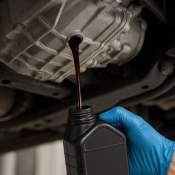 Changing your car's transmission oil is one of those maintenance tasks that many people consider to be difficult or "only a workshop job." In fact , changing your transmission oil is completely doable in your home garage if you approach it calmly, with the right knowledge and tools. This comprehensive article explains step-by-step why you should change your transmission oil , when to do it , the difference between manual and automatic transmissions , and how to do the change yourself safely .
The article is written in simple language and is also suitable for someone who is doing this for the first or second time.
What is transmission oil and why is it so important?
Gearbox oil is a lubricant whose function is to:
reduce friction between gears
cool the internal parts of the gearbox
protect metal surfaces from wear and corrosion
ensure smooth and quiet gear shifting
While the engine operates in an environment of continuous combustion and high temperature, the load on the gearbox is mechanical . Gears, bearings and synchronizers require constant protection. Without proper oil, the gearbox wears out quickly , and repairs are expensive and complicated.
... More...
Changing your car's transmission oil is one of those maintenance tasks that many people consider to be difficult or "only a workshop job." In fact , changing your transmission oil is completely doable in your home garage if you approach it calmly, with the right knowledge and tools. This comprehensive article explains step-by-step why you should change your transmission oil , when to do it , the difference between manual and automatic transmissions , and how to do the change yourself safely .
The article is written in simple language and is also suitable for someone who is doing this for the first or second time.
What is transmission oil and why is it so important?
Gearbox oil is a lubricant whose function is to:
reduce friction between gears
cool the internal parts of the gearbox
protect metal surfaces from wear and corrosion
ensure smooth and quiet gear shifting
While the engine operates in an environment of continuous combustion and high temperature, the load on the gearbox is mechanical . Gears, bearings and synchronizers require constant protection. Without proper oil, the gearbox wears out quickly , and repairs are expensive and complicated.
... More...
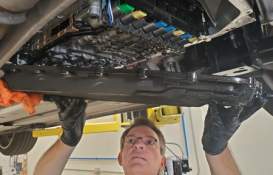
Car oil filter: the heart of your engine and the secret to longevity
 Car oil filter: a small detail on which the life and health of the engine depends
There is an old adage in the automotive world: oil is the blood of the engine and the oil filter is its kidneys. Although car owners often pay great attention to the brand and viscosity of the oil, the oil filter undeservedly takes a back seat. Yet this fist-sized component is the only barrier that protects the engine's high-precision sliding surfaces from metal shavings, soot and abrasive particles. A poor-quality or incorrectly selected filter can nullify the properties of even the most expensive synthetic oil in the world in just a few thousand kilometers.
... More...
Car oil filter: a small detail on which the life and health of the engine depends
There is an old adage in the automotive world: oil is the blood of the engine and the oil filter is its kidneys. Although car owners often pay great attention to the brand and viscosity of the oil, the oil filter undeservedly takes a back seat. Yet this fist-sized component is the only barrier that protects the engine's high-precision sliding surfaces from metal shavings, soot and abrasive particles. A poor-quality or incorrectly selected filter can nullify the properties of even the most expensive synthetic oil in the world in just a few thousand kilometers.
... More...
 The data shown here, especially the complete database of car spare parts, may not be copied. It is strictly prohibited to duplicate the data and database and distribute the same, and/or instruct third parties to engage in such activities, without prior consent from TecAlliance. Any use of content in a manner not expressly authorized constitutes copyright infringement and violators will be prosecuted.