

Filters > Oil Filter
Pick your vehicle
Car engine oil filter: importance, types and maintenance
The oil filter in a car's engine is one of the most important components that helps ensure the smooth running and long life of your engine. This small but important part plays a vital role in maintaining the quality of your engine oil and protecting the internal components of your engine from damage. In this article, we'll explore the function of an oil filter, the different types, how it works, and why regular maintenance is essential.
What is an engine oil filter?
An engine oil filter is a device that cleans engine oil by removing dirt, sand, metal particles, and other contaminants. The oil filter is usually located near the oil pan or in the engine block, and its purpose is to protect the internal components of the engine by ensuring that the oil circulating in the engine is clean and free of harmful substances that can damage the engine's working parts. Clean oil is important because it lubricates the engine's moving parts and prevents overheating.
Oil filter function
When a car engine is running, friction and heat are generated from the movement, which cause dirt, sludge and small metal particles to build up in the oil. Over time, these contaminants build up in the oil, making it less effective at lubricating the engine. An oil filter helps remove these particles before they reach sensitive parts of the engine, protecting things like pistons, camshafts and bearings from wear.
The main functions of the oil filter are as follows:
- Filtration of contaminants : The oil filter removes dirt, dust and metal particles from the oil.
- Keeping the oil clean : The oil filter ensures that the oil remains clean and effective.
- Preventing engine wear : Clean oil helps reduce friction and wear in the engine, extending engine life.
- Optimizing engine performance : Clean oil ensures that the engine's moving parts are properly lubricated, which results in smoother operation and better performance.
Oil filter types
Today's cars use a variety of oil filters, with different designs and filtration capabilities. The most common types are:
1. Spin-on oil filters :
Threaded-type oil filters are the most common and consist of a metal housing containing the filtering material. They are easy to replace and often have a rubber seal on them to ensure a tight seal around the oil.
Spin-on oil filters are one of the most common types of oil filters found in vehicles. They have a disposable housing that contains the filter and other components. These filters are easy to install and replace during regular oil changes. Spin-on filters typically provide reliable filtration and are available in a variety of filtration levels to suit different engine requirements and driving conditions.
- how they work:
Threaded-in filters are self-contained units that screw onto the engine. They contain the filter media and metal housing in one piece. - advantages:
- quick and easy to install.
- wide selection for different vehicles.
- disadvantages:
- more waste as the entire filter is replaced.
- not as environmentally friendly as cartridge filters.
2. Full flow oil filters :
Most modern vehicles use full-flow oil filters. These filters allow all of the engine oil to pass through their filter, ensuring that every drop of oil is clean before it reaches the engine.
The full-flow filter is also one of the most common. It filters all the oil pumped through the engine. This type of filter is designed to prevent friction and severe engine clogging. It also allows the oil to move more freely in the engine.
- how they work:
Full-flow filters filter all the oil used by the engine before it reaches the engine components. These are usually mechanical filters. - advantages:
- effectively protects the engine as all the oil passes through the filter.
- Low flow resistance ensures correct oil pressure.
- disadvantages:
- higher filter material consumption.
- may not remove very small particles.
3. Bypass oil filters :
- how they work:
Bypass filters only filter a portion of the oil, allowing for a higher degree of cleaning because the oil moves through the filter more slowly. The rest of the oil goes directly into the engine. 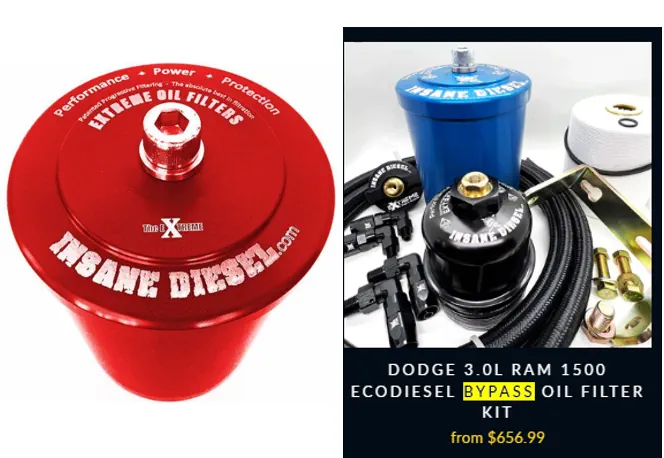
- advantages:
- can remove very small particles.
- extends oil and engine life.
- disadvantages:
- does not filter all the oil at once.
- more suitable for heavy-duty engines, not for everyday vehicles.
-
These filters work in conjunction with full-flow filters to further purify the oil. Some of the oil is routed through a bypass filter to remove fine particles that the main filter cannot capture.
4. Magnetic oil filters

- how they work:
use magnets to capture metallic contaminants, such as iron filings, from the oil. - advantages:
- can remove metal particles that other filters may not catch.
- durable and easy to maintain.
- disadvantages:
- does not trap non-metallic particles.
- requires additional filter elements to remove other contaminants.
5. Cartridge filters - filter element (cartridge oil filters)
These filters only contain a filter element that can be replaced, while the filtration housing remains. They are more environmentally friendly as they produce less waste.
- how they work:
The filter element is housed in a separate housing that is attached to the engine. To replace the filter, only the filter element needs to be replaced. - advantages:
- more environmentally friendly because the metal casing is not thrown away.
- easy to maintain.
- disadvantages:
- may be more time-consuming than replacing thread-type filters.
- requires a special tool to remove the filter element.
How does an oil filter work?
An oil filter works by passing engine oil through its filter media, which can be made of paper, synthetic material, or mesh. The oil flows into the filter and is then forced through the filter media, where contaminants are trapped. Clean oil exits the filter and returns to the engine to lubricate moving parts.
Oil filters are typically designed to withstand a certain oil flow rate to ensure proper filtration while not impeding the normal flow of the engine. If the oil filter becomes clogged with dirt, oil flow can be restricted, leading to increased wear on engine parts and potentially engine failure.
Oil filter construction

A classic oil filter consists of the following parts:
1. Case. Protects the filter element and withstands high pressure to prevent the filter from leaking.
2. Relief valve. Ensures continued oil flow to the engine in an emergency situation where the element is clogged or when starting a cold engine. This protects the engine.
3. Filter media. A highly efficient material that filters out foreign matter and dirt from the oil to protect the engine from wear and damage.
4. Support tube. Holds the filter element in place to ensure the best filtration.
6. Anti-drain valve. Ensures that oil does not flow back after the car engine stops. The oil pressure in the lubrication system reaches its specified level faster, which protects the engine after starting.
7. Bottom assembly plate. Resists high pressure and prevents filter deformation.
8. gasket. Ensures that there is no oil leakage between the bottom plate and the engine.
The importance of oil filter maintenance
Regular oil changes are important not only for changing the oil, but also for changing the oil filter. Most expert recommendations say that the oil filter should be changed with every oil change to ensure that the new oil remains clean and can still effectively protect the engine.
The importance of oil filter maintenance:
- Preventing oil filter clogging : When the oil filter becomes clogged, oil can begin to bypass the filter and recirculate along with contaminants, which can cause wear on engine parts.
- Optimizing engine performance : Clean oil is essential for proper engine lubrication, which helps maintain engine performance and efficiency.
- Reducing repair costs : Neglecting to change the oil filter can lead to engine failures that are costly to repair.
How to change a car oil filter?
Changing an oil filter is usually a simple task, but it requires the right tools and knowledge of car maintenance. Follow these steps to change your oil filter:
- Gather the necessary tools : You will need a new oil filter, the correct amount of engine oil, an oil filter wrench, a drain pan, and gloves.
- Drain the old oil : Place a drain pan under the oil pan, remove the drain nut, and allow the oil to drain completely.
- Remove the old oil filter : Use an oil filter wrench to remove the old oil filter. Be careful as the oil filter may still contain old oil.
- install a new oil filter : take a new oil filter, lubricate its rubber seal with a small amount of fresh oil and screw it firmly into place by hand (do not overtighten).
- Add new oil : After changing the oil filter, fill the engine with the correct amount and type of oil.
- Check for leaks : Start the engine and let it run for a few minutes, then check the oil filter and drain nut for leaks.
Common Oil Filter Problems by Car Brand and Engine
Below are recurring observations from practice, not accusations toward manufacturers. These are typical situations where the wrong filter or improper maintenance can quickly cause problems.
Volkswagen / Škoda / SEAT / Audi
Typical problems
-
Incorrect installation of cartridge filters
-
Incorrect gasket placement
-
Deformation of low-quality filters
Symptoms
-
Oil pressure warning light during cold start
-
Metallic noise during the first seconds
-
Oil leaks around the filter housing
Causes
-
Incorrect filter height or diameter
-
Weak anti-drainback valve
-
Failure of the filter’s internal structure
In these engines, the oil filter is often located at the top of the engine, which means an incorrect filter quickly causes oil pressure issues.
BMW
Typical problems
-
Collapse of the filter element
-
Oil pressure fluctuations
-
Rapid filter clogging
Symptoms
-
Timing chain or camshaft noise
-
Oil pressure warnings
-
Uneven engine operation when cold
Causes
-
Filter material that is too soft
-
Long service intervals
-
High operating temperature
BMW engines are particularly sensitive to filter quality, not just the oil itself.
Mercedes-Benz
Typical problems
-
Gasket leaks
-
Incorrect filter height
-
Uneven sealing of the filter
Symptoms
-
Oil stains on the engine
-
Smell of oil
-
Slow increase in oil pressure
Causes
-
Non-original filters
-
Incorrect tightening torque
-
Double gasket installation
Mercedes-Benz engines often have oil filter housings with very precise tolerances.
Ford
Typical problems
-
Anti-drainback valve failure
-
Dry start during cold start
-
Rapid filter clogging
Symptoms
-
Knocking noise when starting
-
Delay in oil pressure build-up
-
Uneven idle
Causes
-
Low-quality filter
-
Poor valve quality
-
Short trips
Peugeot / Citroën
Typical problems
-
Filter clogging
-
Rapid oil contamination
-
Gasket leaks
Symptoms
-
Oil pressure warning light
-
Engine noise
-
Oil darkening quickly
Causes
-
Long service intervals
-
High temperatures in turbo engines
-
Poor-quality filter
Toyota / Lexus
Typical problems
-
Filter element failure
-
Incorrect filter seating
-
Oil draining back
Symptoms
-
Engine ticking when cold
-
Oil pressure delay
-
Unstable operation
Causes
-
Incorrect filter type
-
Excessively long replacement interval
-
Low-quality filter
Most Common Mistakes When Choosing and Replacing Oil Filters
-
Wrong filter (similar but not exact)
-
Not replacing the filter together with the oil
-
Not lubricating the gasket
-
Incorrect tightening torque
-
Leaving the old gasket in place
These mistakes are among the main causes of oil leaks and pressure problems.
Summary
The engine oil filter is an essential part of a car engine, protecting the engine from dirt and contaminants, ensuring clean oil and effective lubrication. Regular oil changes, along with oil filter changes, are an easy and effective way to ensure a long engine life. Changing the oil filter helps prevent engine wear and ensures that your car runs in optimal condition, saving you time and money in the future.
Flushing the car engine before changing the oil
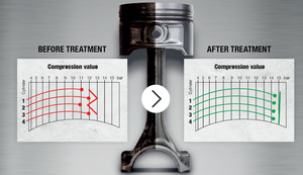 One of the most important aspects of engine maintenance is engine flushing. It keeps the engine running smoothly by removing harmful deposits from it. This, in turn, can extend the life of the engine and minimize the risk of expensive repairs. In addition, a clean engine works more efficiently, which leads to better fuel economy and a noticeable reduction in emissions. So, what is an engine flush? What are its advantages? How is this done? This short guide will answer these questions.
... More...
One of the most important aspects of engine maintenance is engine flushing. It keeps the engine running smoothly by removing harmful deposits from it. This, in turn, can extend the life of the engine and minimize the risk of expensive repairs. In addition, a clean engine works more efficiently, which leads to better fuel economy and a noticeable reduction in emissions. So, what is an engine flush? What are its advantages? How is this done? This short guide will answer these questions.
... More...
Car engine oil specifications
 Specifications for engine oils for VW Group cars ((Volkswagen, Audi, Seat, Skoda).
... More...
Specifications for engine oils for VW Group cars ((Volkswagen, Audi, Seat, Skoda).
... More...
ILSAC oil specifications
 ILSAC, the International Lubricant Standardization and Approval Committee, was formed in 1992 by representatives of the AAMA (American Automobile Manufacturers Association, DaimlerChrysler Corporation, Ford Motor Company, and General Motors Corporation) and JAMA (Japan Automobile Manufacturers Association) to define lubricant licensing and specification parameters. Together with the tripartite system (API, SAE, and ASTM), EOLCS, the Engine Oil Licensing and Certification System, was formed. ILSAC oils often carry the API Service Symbol (donut), including the Energy Conserving designation and/or API Certification (Starburst).
... More...
ILSAC, the International Lubricant Standardization and Approval Committee, was formed in 1992 by representatives of the AAMA (American Automobile Manufacturers Association, DaimlerChrysler Corporation, Ford Motor Company, and General Motors Corporation) and JAMA (Japan Automobile Manufacturers Association) to define lubricant licensing and specification parameters. Together with the tripartite system (API, SAE, and ASTM), EOLCS, the Engine Oil Licensing and Certification System, was formed. ILSAC oils often carry the API Service Symbol (donut), including the Energy Conserving designation and/or API Certification (Starburst).
... More...

Peugeot-Citroën PSA oil specifications
 Engine Oils
The French PSA Group issued a set of oil specifications in 2009 to better control the engine oils used in their vehicles. All specifications are based on ACEA specifications, but also require additional conditions to be met.
... More...
Engine Oils
The French PSA Group issued a set of oil specifications in 2009 to better control the engine oils used in their vehicles. All specifications are based on ACEA specifications, but also require additional conditions to be met.
... More...
Mercedes-Benz engine oil specifications
 In this article, you will find information about Mercedes-Benz engine oil specifications.
... More...
In this article, you will find information about Mercedes-Benz engine oil specifications.
... More...
General Motors oil specifications
 GM Dexos Engine Oil Specifications
Dexos is an engine oil quality standard developed by General Motors (GM) that defines the technical requirements an oil must meet to ensure improved engine protection, cleanliness, and fuel efficiency.
Engine oils approved under the General Motors Dexos specification are recommended for use in all GM vehicles, except those equipped with Duramax diesel engines, which require oil meeting the API CJ-4 quality standard.
... More...
GM Dexos Engine Oil Specifications
Dexos is an engine oil quality standard developed by General Motors (GM) that defines the technical requirements an oil must meet to ensure improved engine protection, cleanliness, and fuel efficiency.
Engine oils approved under the General Motors Dexos specification are recommended for use in all GM vehicles, except those equipped with Duramax diesel engines, which require oil meeting the API CJ-4 quality standard.
... More...

Explanations of ACEA oil classes
 ACEA - European Automobile Manufacturers' Association (French: Association des Constructeurs Européens d'Automobiles) is the main lobbying and standards group for the European Union's automotive industry. Its members include: [1] BMW, DAF, Daimler AG, Fiat Chrysler Automobiles, Ford Europe, Ferrari, Honda, Hyundai Europe, Iveco, Jaguar Land Rover, Opel Group, PSA Peugeot Citroën, Renault, Toyota Europe, Volkswagen Group, Volvo Cars and Volvo Group.
... More...
ACEA - European Automobile Manufacturers' Association (French: Association des Constructeurs Européens d'Automobiles) is the main lobbying and standards group for the European Union's automotive industry. Its members include: [1] BMW, DAF, Daimler AG, Fiat Chrysler Automobiles, Ford Europe, Ferrari, Honda, Hyundai Europe, Iveco, Jaguar Land Rover, Opel Group, PSA Peugeot Citroën, Renault, Toyota Europe, Volkswagen Group, Volvo Cars and Volvo Group.
... More...
Volkswagen Longlife - oils with long oil change intervals
 Volkswagen LongLife long oil change interval maintenance modes
... More...
Volkswagen LongLife long oil change interval maintenance modes
... More...

Specifications of the most common car automatic transmission oils (ATF)
 What is ATF oil? ATF (Automatic Transmission Fluid) is a special oil used in automatic transmissions to ensure smooth and precise gear changes, lubricate moving components and protect the transmission from wear and overheating. Unlike engine oil, ATF oil must withstand a wide range of complex operating conditions – it must have a certain coefficient of friction, thermally stable viscosity and high heat resistance so that the transmission can operate accurately, quickly and without failures.
... More...
What is ATF oil? ATF (Automatic Transmission Fluid) is a special oil used in automatic transmissions to ensure smooth and precise gear changes, lubricate moving components and protect the transmission from wear and overheating. Unlike engine oil, ATF oil must withstand a wide range of complex operating conditions – it must have a certain coefficient of friction, thermally stable viscosity and high heat resistance so that the transmission can operate accurately, quickly and without failures.
... More...
Why do wiper blades spoil quickly? Causes and effective solutions with deep cleaning
 Rapid wear of wiper blades is a problem that can occur even on brand new cars. If new wiper blades start to streak, leave spots on the glass or start to skip after just a few weeks or months, the fault is usually not with the product itself. Most often, the cause is invisible dirt accumulated on the surface of the windshield or the wipers are working at the wrong angle.
Below is an overview of the main causes and solutions.
... More...
Rapid wear of wiper blades is a problem that can occur even on brand new cars. If new wiper blades start to streak, leave spots on the glass or start to skip after just a few weeks or months, the fault is usually not with the product itself. Most often, the cause is invisible dirt accumulated on the surface of the windshield or the wipers are working at the wrong angle.
Below is an overview of the main causes and solutions.
... More...
Changing car engine oil at home: step-by-step guide and tips for beginners
 Changing your engine oil is one of the most important and frequent maintenance tasks your car needs. While many car owners prefer to take it to a service center, changing your oil at home is actually a do-it-yourself task that almost anyone can do. Not only will it save you money, it will also help you get to know your vehicle better.
In this guide, we'll explain how to choose the right oil, what tools you need, and how to carry out the change process safely.
Why is regular oil changes critical?
The function of engine oil is to reduce friction between moving parts, cool the engine and collect dirt. Over time, the properties of the oil deteriorate:
lubrication capacity decreases: the risk of engine wear increases.
Dirt accumulates: old oil contains soot and metal particles.
fuel consumption increases: old and thickened oil increases resistance.
The general recommendation is to change the oil every 10,000 - 15,000 km or once a year, depending on the car manufacturer's instructions.
Preparation: What do you need?
Before you start working, make sure you have everything you need. Good preparation is half the battle.
... More...
Changing your engine oil is one of the most important and frequent maintenance tasks your car needs. While many car owners prefer to take it to a service center, changing your oil at home is actually a do-it-yourself task that almost anyone can do. Not only will it save you money, it will also help you get to know your vehicle better.
In this guide, we'll explain how to choose the right oil, what tools you need, and how to carry out the change process safely.
Why is regular oil changes critical?
The function of engine oil is to reduce friction between moving parts, cool the engine and collect dirt. Over time, the properties of the oil deteriorate:
lubrication capacity decreases: the risk of engine wear increases.
Dirt accumulates: old oil contains soot and metal particles.
fuel consumption increases: old and thickened oil increases resistance.
The general recommendation is to change the oil every 10,000 - 15,000 km or once a year, depending on the car manufacturer's instructions.
Preparation: What do you need?
Before you start working, make sure you have everything you need. Good preparation is half the battle.
... More...
Car oil filter: the heart of your engine and the secret to longevity
 Car oil filter: a small detail on which the life and health of the engine depends
There is an old adage in the automotive world: oil is the blood of the engine and the oil filter is its kidneys. Although car owners often pay great attention to the brand and viscosity of the oil, the oil filter undeservedly takes a back seat. Yet this fist-sized component is the only barrier that protects the engine's high-precision sliding surfaces from metal shavings, soot and abrasive particles. A poor-quality or incorrectly selected filter can nullify the properties of even the most expensive synthetic oil in the world in just a few thousand kilometers.
... More...
Car oil filter: a small detail on which the life and health of the engine depends
There is an old adage in the automotive world: oil is the blood of the engine and the oil filter is its kidneys. Although car owners often pay great attention to the brand and viscosity of the oil, the oil filter undeservedly takes a back seat. Yet this fist-sized component is the only barrier that protects the engine's high-precision sliding surfaces from metal shavings, soot and abrasive particles. A poor-quality or incorrectly selected filter can nullify the properties of even the most expensive synthetic oil in the world in just a few thousand kilometers.
... More...
 The data shown here, especially the complete database of car spare parts, may not be copied. It is strictly prohibited to duplicate the data and database and distribute the same, and/or instruct third parties to engage in such activities, without prior consent from TecAlliance. Any use of content in a manner not expressly authorized constitutes copyright infringement and violators will be prosecuted.