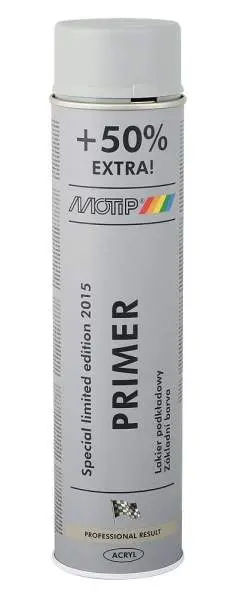
Car spray paint MOTIP 400ml code 54575


high quality fast drying acrylic paint aerosol container.
more than 600 different tones, which hulgast finds accurate vaste any more than 12000-le kataloogis leiduvale autovärvikoodile.
Paint is easy to use, this dries quickly, covers densely and leaves excellent result!
to paint may peaaegu everything – paint stays well at different on surfaces (big plastic surfaces cover before painting MOTIP plastic primer (find code 4063)).
important when using:
- Olles car värvikoodi and kataloogi abil correct MOTIPi tones leidnud, võrdle always tones suitability also näidiskaartidega!
- Try always before car värvima asumist tones suitability in little visible surface car peal or hoopis mõnel other metallitükil!
- Shake paints very thoroughly before pihustama asumist!
- Aerosoolpudelitel on under injector red turvarõngas – remove this before using!
- metallic paints cover always with varnish (find codes 4009 or 2001) – this gives colour correct tones and shine and protects paints!
- before värvima asumist loe always pudelil olev User instruction thoroughly through and Follow sealseid Tips!
- after värvimistöö completion turn pudelil bottom up and spray up to From bottle black only gas – nii väldid sprayer kinnikuivamist and saad paints korduvalt to use. find OMA for car Suitable for VÄRVIKOOD JÄRGEVALT VEEBILEHELT: http://www.motip.nl/?page=26&mid=0&lang=EN
Toote omadused
• Püsiv värv ja läige
• Kriimuskindel ja põrutuskindel
• Vastupidav ilmastikumõjudele
• UV-kiirgusele vastupidav ja tuhmu
• Korrosiooni ennetav
Füüsikalised ja keemilised omadused
Alus: akrüülvaik
Katvus: 1,25 kuni 1,75 m²
Tolmukuiv: 5–10 minuti pärast
Nakkekuiv: 10 kuni 20 minuti pärast
Täelikult kuivanus / uuesti pihustatav: 2 tunni pärast
Kuumuskindel: kuni 110 ° C
Kasutamine:
Pinna eeltöötlus:
Pind peaks olema puhas, kuiv ja rasvavaba. Eemaldage vana värv, rooste ja lihvige
pind. Kandke pinnale sobiv kruntvärv (autokere metallosade värvimise korral võite valida krundi siit) . Pärast kuivamist lihvige aluskiht liivapaberiga (teralisus 600).
Värvimine:
Pind peaks olema puhas, kuiv ja rasvavaba. Aerosoolil peaks olema toatemperatuur. Parim töötlemistemperatuur on 15 kuni 25 ° C. Enne kasutamist raputage aerosooli 2 minutit ja - katsetage enne autot värvima asumist tooni sobivust vähenähtaval pinnal auto peal või hoopis mõnel muul metallitükil.
Kaugus töödeldava pinnaga umbes 25–30 sentimeetrit.
Kandke värv mitme õhukese kihina. Enne järgmise kihi pihustamist raputage uuesti aerosooli.
Optimaalse tulemuse saavutamiseks kandke viimasele värvikihile läbipaistev akrüüllakk Toote ID: 1025 või 333787.
Pärast kasutamist puhastage pihusti (keerake aerosool tagurpidi ja vajutage pihustit umbes 5 sekundit).
Kuivamisaeg sõltub ümbritsevast temperatuurist, õhu niiskusest ja laki paksusest
The Motip Dupli group includes such brands as:
Motip - technical aerosols for industry, automotive and home use.
Presto - putty, technical aerosols for industry.
DUPLI-COLOR - aerosol and touch-up paints for car repair and home use.
ColorMatic - professional aerosol paints
Colormark - marker and aerosol paints for the construction and industrial sectors
DISTEIN - marker paints for the wood industry.
Based on extensive knowledge and long-term experience, Motip Dupli Group has become a valued aerosol manufacturer, controlling the production and development process from start to finish. Thanks to this, it is possible to offer the best quality in every segment at an affordable price.
more than 600 different tones, which hulgast finds accurate vaste any more than 12000-le kataloogis leiduvale autovärvikoodile.
Paint is easy to use, this dries quickly, covers densely and leaves excellent result!
to paint may peaaegu everything – paint stays well at different on surfaces (big plastic surfaces cover before painting MOTIP plastic primer (find code 4063)).
important when using:
- Olles car värvikoodi and kataloogi abil correct MOTIPi tones leidnud, võrdle always tones suitability also näidiskaartidega!
- Try always before car värvima asumist tones suitability in little visible surface car peal or hoopis mõnel other metallitükil!
- Shake paints very thoroughly before pihustama asumist!
- Aerosoolpudelitel on under injector red turvarõngas – remove this before using!
- metallic paints cover always with varnish (find codes 4009 or 2001) – this gives colour correct tones and shine and protects paints!
- before värvima asumist loe always pudelil olev User instruction thoroughly through and Follow sealseid Tips!
- after värvimistöö completion turn pudelil bottom up and spray up to From bottle black only gas – nii väldid sprayer kinnikuivamist and saad paints korduvalt to use. find OMA for car Suitable for VÄRVIKOOD JÄRGEVALT VEEBILEHELT: http://www.motip.nl/?page=26&mid=0&lang=EN
Toote omadused
• Püsiv värv ja läige
• Kriimuskindel ja põrutuskindel
• Vastupidav ilmastikumõjudele
• UV-kiirgusele vastupidav ja tuhmu
• Korrosiooni ennetav
Füüsikalised ja keemilised omadused
Alus: akrüülvaik
Katvus: 1,25 kuni 1,75 m²
Tolmukuiv: 5–10 minuti pärast
Nakkekuiv: 10 kuni 20 minuti pärast
Täelikult kuivanus / uuesti pihustatav: 2 tunni pärast
Kuumuskindel: kuni 110 ° C
Kasutamine:
Pinna eeltöötlus:
Pind peaks olema puhas, kuiv ja rasvavaba. Eemaldage vana värv, rooste ja lihvige
pind. Kandke pinnale sobiv kruntvärv (autokere metallosade värvimise korral võite valida krundi siit) . Pärast kuivamist lihvige aluskiht liivapaberiga (teralisus 600).
Värvimine:
Pind peaks olema puhas, kuiv ja rasvavaba. Aerosoolil peaks olema toatemperatuur. Parim töötlemistemperatuur on 15 kuni 25 ° C. Enne kasutamist raputage aerosooli 2 minutit ja - katsetage enne autot värvima asumist tooni sobivust vähenähtaval pinnal auto peal või hoopis mõnel muul metallitükil.
Kaugus töödeldava pinnaga umbes 25–30 sentimeetrit.
Kandke värv mitme õhukese kihina. Enne järgmise kihi pihustamist raputage uuesti aerosooli.
Optimaalse tulemuse saavutamiseks kandke viimasele värvikihile läbipaistev akrüüllakk Toote ID: 1025 või 333787.
Pärast kasutamist puhastage pihusti (keerake aerosool tagurpidi ja vajutage pihustit umbes 5 sekundit).
Kuivamisaeg sõltub ümbritsevast temperatuurist, õhu niiskusest ja laki paksusest
- Vaadake juhendit kuidas leida oma auto kerelt auto originaal värvikood. Juhendi leiad siit.
- Kui olete leidnud eelmise punkti juhiste järgi oma auto värvikoodi, siis saate otsida ka teie auto originaalvärvikoodile vastava Motipi värvi koodi siit, leitud Motipi värvikoodi võite sisestada meie lehe otsingusse värvi leidmiseks.
Motip
The Motip Dupli group was founded in 1998 when Kurt Vogelsand GmbH, Motip B.V. Weber & Wirth merged. With 70 years of Dutch history, the Motip Dupli group has become the world's largest producer of technical aerosols, producing more than 80 million units of various aerosols, from professional paints to technical aerosols.The Motip Dupli group includes such brands as:
Motip - technical aerosols for industry, automotive and home use.
Presto - putty, technical aerosols for industry.
DUPLI-COLOR - aerosol and touch-up paints for car repair and home use.
ColorMatic - professional aerosol paints
Colormark - marker and aerosol paints for the construction and industrial sectors
DISTEIN - marker paints for the wood industry.
Based on extensive knowledge and long-term experience, Motip Dupli Group has become a valued aerosol manufacturer, controlling the production and development process from start to finish. Thanks to this, it is possible to offer the best quality in every segment at an affordable price.
EAN: 8711347545759
Delivery method
The product delivery is not available to your selected destination.


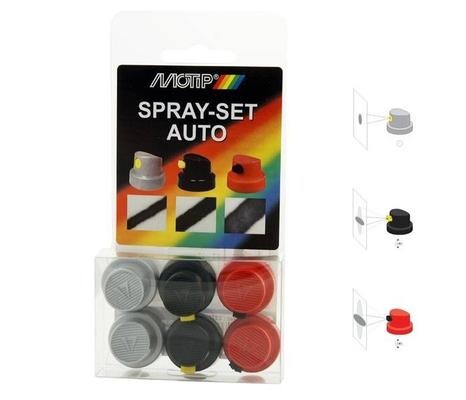


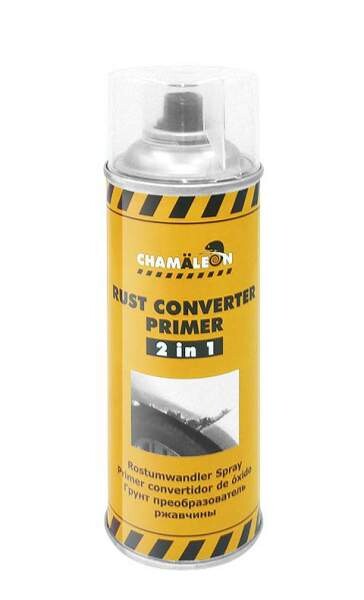


$7.80
$9.70
-20%
Arrives in 3-4work days


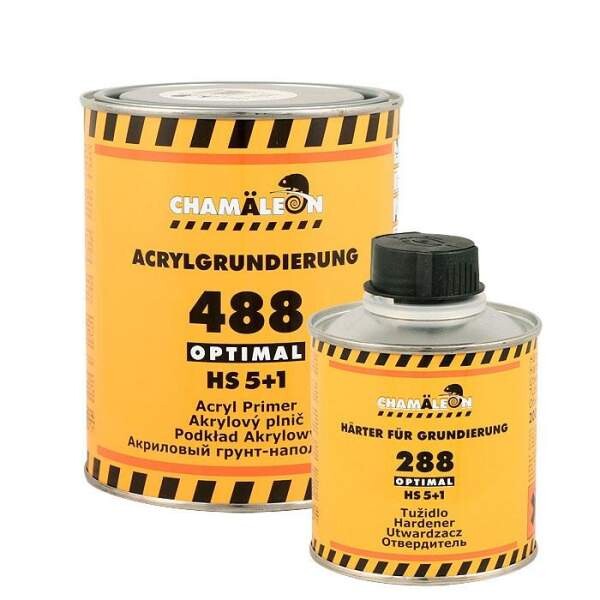


$92.30
$108.60
-16%
Arrives in 3-4work days


$1.90
$2.20
-14%
Arrives in 3-4work days



$9.60
Arrives in 3-4work days


Car paint thickness gauge and car paint layers
 A paint thickness gauge (or paint depth gauge) is used to measure the thickness of a vehicle's paint layer to determine whether the car has received a new paint coating after leaving the factory (either due to a previous accident, paint damage, etc.) or not. ). The repainted body part gives a higher reading than the part wearing the original paint.
... More...
A paint thickness gauge (or paint depth gauge) is used to measure the thickness of a vehicle's paint layer to determine whether the car has received a new paint coating after leaving the factory (either due to a previous accident, paint damage, etc.) or not. ). The repainted body part gives a higher reading than the part wearing the original paint.
... More...
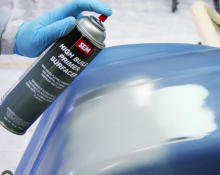
RAL color chart
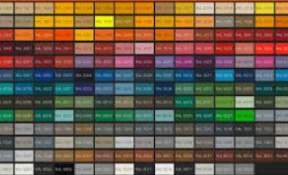 RAL is a European color matching system that defines the colors of paint, coatings, and plastics. The RAL color standard is maintained by the RAL Deutsches Institut für Gütesicherung und Kennzeichnung. “RAL” is an abbreviation for “Reichs-Ausschuß für Lieferbedingungen und Gütesicherung”.
... More...
RAL is a European color matching system that defines the colors of paint, coatings, and plastics. The RAL color standard is maintained by the RAL Deutsches Institut für Gütesicherung und Kennzeichnung. “RAL” is an abbreviation for “Reichs-Ausschuß für Lieferbedingungen und Gütesicherung”.
... More...
Information about painting and colors
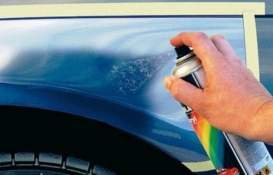 General information and frequently asked questions about painting and spray paints. The article contains information about Motip-Duplicolor products, information about products from other brands may differ from the information provided here depending on the specifics of the product.
... More...
General information and frequently asked questions about painting and spray paints. The article contains information about Motip-Duplicolor products, information about products from other brands may differ from the information provided here depending on the specifics of the product.
... More...
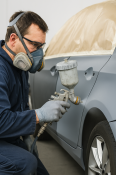
How to do minor paint repairs on a car yourself
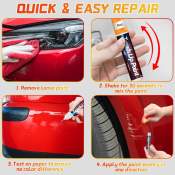 Every car owner knows the feeling: you're washing your car and suddenly notice a new scratch on the door or a stone chip on the hood. It's a frustrating moment that often ruins the mood. These small blemishes are not only aesthetically unsightly, but over time they can develop into more serious problems, such as rust that spreads under the paint and irreparably damages the body panels. The first thought is often to turn to a professional paint shop. While this will ensure a top-notch result, repainting even a small detail can cost hundreds of euros. Fortunately, many minor damages – superficial scratches, scuff marks and small stone chips – can be repaired at home with a little time, patience and the right tools. This guide is designed to give you the knowledge and confidence to do your own car paint repair. We're not talking about repainting an entire car or a large dent from an accident, but rather those everyday "battle scars" that can be successfully hidden in a garage or backyard. A properly performed repair will not only improve the appearance of your car, but also protect it from the elements and maintain the value of the vehicle. Chapter 1: Anatomy of Car Paint – Understanding What You’re Doing Before you grab the sandpaper or the paint bottle, it's critically important to understand how a modern car's paint job is structured. It's not just one layer of paint on metal. Most modern cars are finished with a multi-layer system called a "basecoat/clearcoat" system, although in reality there are more layers. Understanding which layer the damage is located in completely determines the repair method. 1. substrate: this is the material of the car body – usually sheet steel, aluminum or plastic (for example, on the bumpers). 2. primer: the first coat applied directly to the substrate. The purpose of the primer is to protect the metal from corrosion and ensure strong adhesion of subsequent paint layers. The primer is often gray, white, or black. 3. Basecoat: This is the layer that gives the car its actual color and effect (such as metallic or pearlescent). The basecoat layer is surprisingly thin and, without protection, is very susceptible to environmental influences. It is important to know that basecoat is usually matte until it is covered with varnish. 4. Clearcoat: The top, transparent layer. This is the car's "shield." Clearcoat adds depth and shine to the paint, but its main function is to protect the base paint from UV rays, scratches, acid rain, bird droppings, and other chemicals. Clearcoat is the thickest of the three, but still only about the thickness of a hair. Most everyday scratches are limited to the paint layer. These are the easiest to repair. Once the scratch has penetrated the paint and reached the base color, the repair is more difficult. However, if the damage has penetrated all layers and exposed the primer or even the bare metal, quick action is essential to prevent rust. Chapter 2: Damage Assessment – Can I Do It Myself? The most important step is diagnosis. A correct diagnosis saves time and money and prevents you from making things worse. "nail test" The easiest and most common way to assess the depth of a scratch is the so-called nail test. Carefully slide your fingernail across the scratch. Scenario A: The nail doesn't get stuck behind the scratch. If you can barely feel the scratch or not at all, it's a very superficial damage that's only on the top layer of paint. These scratches often appear as light or white lines on a dark car. The good news: they're easiest to remove by polishing. Painting is probably not necessary. Scenario B: The nail is noticeably stuck behind the scratch. This indicates that the scratch is deeper, likely going through a significant portion of the varnish layer. Solution: Depending on the depth, more aggressive polishing may be sufficient, but sanding (wet sanding) and subsequent polishing are often necessary. Scenario C: You see a different color at the bottom of the scratch. If the car is blue but the bottom of the scratch is white or gray, you have reached the primer stage. If you see shiny metal or even slightly brownish rust, it is more serious. Solution: Polishing will not help here. You need to fill the damage with new paint, or paint touch-up. This requires more skill and special tools. When to call a professional? If the damage is large (for example, the entire door is scratched with a key), if the metal is dented, or if the rust has already penetrated the paint and caused "bubbles", home repair is very difficult and the result may not be satisfactory. Also, spot repair of complex three-layer pearlescent paints is a very big challenge for a beginner. Chapter 3: The necessary arsenal – tools and materials You need the right tools to do a successful job. Don't try to replace specialty products with household chemicals. Here's a list of things you might want to stock up on, depending on the nature of the job: for cleaning and preparation: car shampoo and wash mitt . Silicone remover or isopropyl alcohol (IPA) – for degreasing surfaces. high-quality microfiber cloths (have several of them). Masking tape (high quality, does not leave adhesive marks). for superficial scratches (polishing): scratch remover or abrasive polishing compound. finishing paste (polish) to restore shine. polishing pad (for manual use) or polishing machine with appropriate discs . for deeper nicks and scratches (painting): Correct shade of paint: This is critical. Find the exact paint code from your car's VIN or body plate. Paint touch-up kits are often sold in small bottles with a brush inside the cap (like nail polish), or in aerosol cans. For precision work, a bottle is better. Primer (if necessary): if the metal is bare, a fine brush is suitable for applying it to the cracks. Clearcoat : If you use a two-coat system, you will definitely need a separate clearcoat to protect the base color and provide shine. very fine art brushes or toothpicks/matches: the brushes that come with the kit are often too big and cumbersome for small marks. Wet sandpaper : grits p1500, p2000, p2500 and p3000. These are used to smooth out the repair area. Sanding block : a small, hard block (such as the size of a school eraser) to sand only the raised area, not the surrounding entire varnish.
... More...
Every car owner knows the feeling: you're washing your car and suddenly notice a new scratch on the door or a stone chip on the hood. It's a frustrating moment that often ruins the mood. These small blemishes are not only aesthetically unsightly, but over time they can develop into more serious problems, such as rust that spreads under the paint and irreparably damages the body panels. The first thought is often to turn to a professional paint shop. While this will ensure a top-notch result, repainting even a small detail can cost hundreds of euros. Fortunately, many minor damages – superficial scratches, scuff marks and small stone chips – can be repaired at home with a little time, patience and the right tools. This guide is designed to give you the knowledge and confidence to do your own car paint repair. We're not talking about repainting an entire car or a large dent from an accident, but rather those everyday "battle scars" that can be successfully hidden in a garage or backyard. A properly performed repair will not only improve the appearance of your car, but also protect it from the elements and maintain the value of the vehicle. Chapter 1: Anatomy of Car Paint – Understanding What You’re Doing Before you grab the sandpaper or the paint bottle, it's critically important to understand how a modern car's paint job is structured. It's not just one layer of paint on metal. Most modern cars are finished with a multi-layer system called a "basecoat/clearcoat" system, although in reality there are more layers. Understanding which layer the damage is located in completely determines the repair method. 1. substrate: this is the material of the car body – usually sheet steel, aluminum or plastic (for example, on the bumpers). 2. primer: the first coat applied directly to the substrate. The purpose of the primer is to protect the metal from corrosion and ensure strong adhesion of subsequent paint layers. The primer is often gray, white, or black. 3. Basecoat: This is the layer that gives the car its actual color and effect (such as metallic or pearlescent). The basecoat layer is surprisingly thin and, without protection, is very susceptible to environmental influences. It is important to know that basecoat is usually matte until it is covered with varnish. 4. Clearcoat: The top, transparent layer. This is the car's "shield." Clearcoat adds depth and shine to the paint, but its main function is to protect the base paint from UV rays, scratches, acid rain, bird droppings, and other chemicals. Clearcoat is the thickest of the three, but still only about the thickness of a hair. Most everyday scratches are limited to the paint layer. These are the easiest to repair. Once the scratch has penetrated the paint and reached the base color, the repair is more difficult. However, if the damage has penetrated all layers and exposed the primer or even the bare metal, quick action is essential to prevent rust. Chapter 2: Damage Assessment – Can I Do It Myself? The most important step is diagnosis. A correct diagnosis saves time and money and prevents you from making things worse. "nail test" The easiest and most common way to assess the depth of a scratch is the so-called nail test. Carefully slide your fingernail across the scratch. Scenario A: The nail doesn't get stuck behind the scratch. If you can barely feel the scratch or not at all, it's a very superficial damage that's only on the top layer of paint. These scratches often appear as light or white lines on a dark car. The good news: they're easiest to remove by polishing. Painting is probably not necessary. Scenario B: The nail is noticeably stuck behind the scratch. This indicates that the scratch is deeper, likely going through a significant portion of the varnish layer. Solution: Depending on the depth, more aggressive polishing may be sufficient, but sanding (wet sanding) and subsequent polishing are often necessary. Scenario C: You see a different color at the bottom of the scratch. If the car is blue but the bottom of the scratch is white or gray, you have reached the primer stage. If you see shiny metal or even slightly brownish rust, it is more serious. Solution: Polishing will not help here. You need to fill the damage with new paint, or paint touch-up. This requires more skill and special tools. When to call a professional? If the damage is large (for example, the entire door is scratched with a key), if the metal is dented, or if the rust has already penetrated the paint and caused "bubbles", home repair is very difficult and the result may not be satisfactory. Also, spot repair of complex three-layer pearlescent paints is a very big challenge for a beginner. Chapter 3: The necessary arsenal – tools and materials You need the right tools to do a successful job. Don't try to replace specialty products with household chemicals. Here's a list of things you might want to stock up on, depending on the nature of the job: for cleaning and preparation: car shampoo and wash mitt . Silicone remover or isopropyl alcohol (IPA) – for degreasing surfaces. high-quality microfiber cloths (have several of them). Masking tape (high quality, does not leave adhesive marks). for superficial scratches (polishing): scratch remover or abrasive polishing compound. finishing paste (polish) to restore shine. polishing pad (for manual use) or polishing machine with appropriate discs . for deeper nicks and scratches (painting): Correct shade of paint: This is critical. Find the exact paint code from your car's VIN or body plate. Paint touch-up kits are often sold in small bottles with a brush inside the cap (like nail polish), or in aerosol cans. For precision work, a bottle is better. Primer (if necessary): if the metal is bare, a fine brush is suitable for applying it to the cracks. Clearcoat : If you use a two-coat system, you will definitely need a separate clearcoat to protect the base color and provide shine. very fine art brushes or toothpicks/matches: the brushes that come with the kit are often too big and cumbersome for small marks. Wet sandpaper : grits p1500, p2000, p2500 and p3000. These are used to smooth out the repair area. Sanding block : a small, hard block (such as the size of a school eraser) to sand only the raised area, not the surrounding entire varnish.
... More...
 The data shown here, especially the complete database of car spare parts, may not be copied. It is strictly prohibited to duplicate the data and database and distribute the same, and/or instruct third parties to engage in such activities, without prior consent from TecAlliance. Any use of content in a manner not expressly authorized constitutes copyright infringement and violators will be prosecuted.