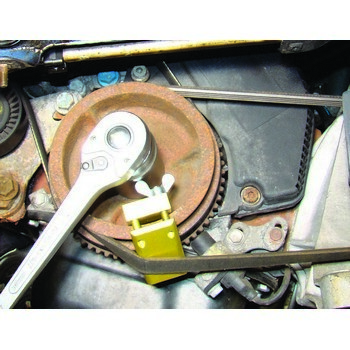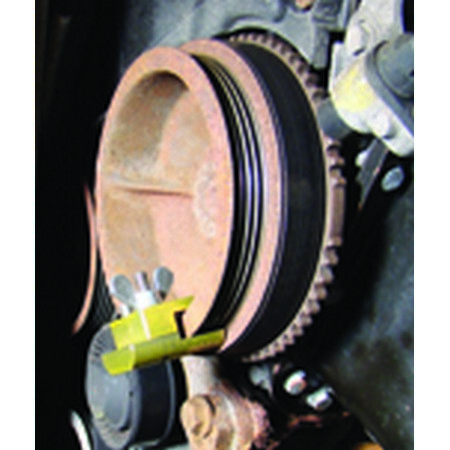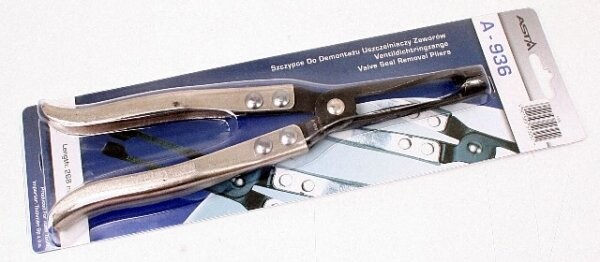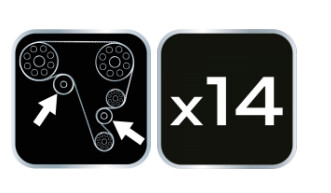
TOPTUL Belt Pulley tool for removing, interval: 40-140mm, length: 365mm



Belt Pulley lukustanmiseks bolt unscrewing ajal.
tool suitable for, water pump, alternator etc Belt Pulley for removal.
The toptul brand name is an abbreviation of "top tool". Toptul is focused on the best quality and services.
Toptul brand belongs to Rotar Machinery Industrial Company Limited. The production facility is located in Ta Li Industrial Park, Taichung City, covering an area of 31,500 m2. Established in 1981, Rotar Vibratory Surface Finishing Center is the largest production facility in Southeast Asia, with 200 machines operating daily to produce 150 tons of products per day. The products include a wide range of hand tools, hardware components, machine components, forged and cast components, alloys, etc.
For over ten years, the Toptul production line has been dedicated to the development of the tool industry. Toptul has always wanted to produce the best tools, and therefore they have constantly created new innovative products. Toptul offers all professional tools to the international market and constantly improves the practicality of the tools.
tool suitable for, water pump, alternator etc Belt Pulley for removal.
Toptul
http://www.toptul.com
The toptul brand name is an abbreviation of "top tool". Toptul is focused on the best quality and services.
Toptul brand belongs to Rotar Machinery Industrial Company Limited. The production facility is located in Ta Li Industrial Park, Taichung City, covering an area of 31,500 m2. Established in 1981, Rotar Vibratory Surface Finishing Center is the largest production facility in Southeast Asia, with 200 machines operating daily to produce 150 tons of products per day. The products include a wide range of hand tools, hardware components, machine components, forged and cast components, alloys, etc.
For over ten years, the Toptul production line has been dedicated to the development of the tool industry. Toptul has always wanted to produce the best tools, and therefore they have constantly created new innovative products. Toptul offers all professional tools to the international market and constantly improves the practicality of the tools.
Delivery method

Fedex Priority
Very fast To home & office
Very fast To home & office
$19.30
Delivery date 2026-10-13

Postal office
To the nearest Postal office (Shipping discount for order starting from 600€ or 700$)
To the nearest Postal office (Shipping discount for order starting from 600€ or 700$)
$24.00
Delivery date 2026-10-27
Courier International (Premium)
To Home or Office (Shipping discount for order starting from 600€ or 700$)
To Home or Office (Shipping discount for order starting from 600€ or 700$)
$46.00
Delivery date 2026-10-20
Fedex Economy
Fast delivery to home or office!
Fast delivery to home or office!
$14.80
Delivery date 2026-10-15

DHL Express
Fast Delivery To Home or Office (Shipping discount for order starting from 600€ or 700$)
Fast Delivery To Home or Office (Shipping discount for order starting from 600€ or 700$)
$28.10
Delivery date 2026-10-08


$63.60
Arrives in 3-4work days


$31.60
Arrives in 3-4work days




$24.30
Arrives in 3-4work days


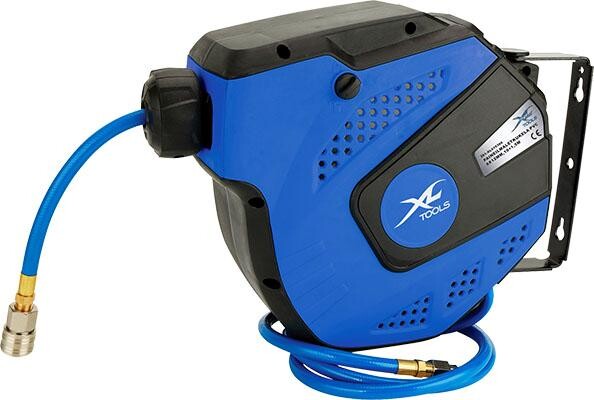

$199.10
Arrives in 3-4work days
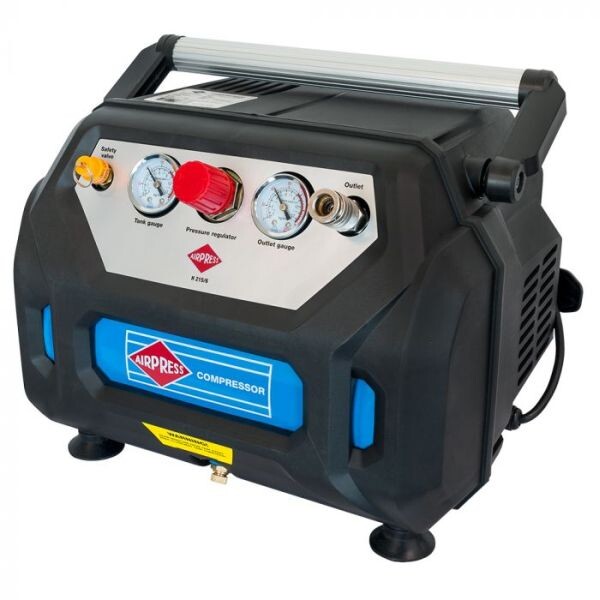


$80.30
Arrives in 3-4work days


$68.40
Arrives in 3-4work days

$32.30
Arrives in 3-4work days

How to replace Cylinder head cover gasket
 Valve Cover Gasket Replacement: A Detailed Guide (8 Steps)
Replacing the valve cover gasket (often simply called the valve cover gasket) is a critical maintenance task that helps prevent oil leaks from the engine. Proper installation ensures a long gasket lifespan and helps avoid engine damage. Follow these eight steps to ensure the job is done correctly.
... More...
Valve Cover Gasket Replacement: A Detailed Guide (8 Steps)
Replacing the valve cover gasket (often simply called the valve cover gasket) is a critical maintenance task that helps prevent oil leaks from the engine. Proper installation ensures a long gasket lifespan and helps avoid engine damage. Follow these eight steps to ensure the job is done correctly.
... More...
Which hand tool steel is the most durable?
 As we all know, different steels are used to make different hand tools. The properties and strength of the steels are given below.
... More...
As we all know, different steels are used to make different hand tools. The properties and strength of the steels are given below.
... More...
Car Engine Construction and Parts Drawing
 Car Engine Parts: A Detailed Overview
The reliability of a car engine depends largely on the precise functioning of various components. An engine is made up of many complex parts that work in concert to convert fuel energy into motion, which makes the vehicle move. Each component performs its own task to ensure the smooth and efficient operation of the engine. In this article, we will discuss the functions of car engine parts and their importance, including the water pump, oil pump, crankshaft, engine block, and many other components.
... More...
Car Engine Parts: A Detailed Overview
The reliability of a car engine depends largely on the precise functioning of various components. An engine is made up of many complex parts that work in concert to convert fuel energy into motion, which makes the vehicle move. Each component performs its own task to ensure the smooth and efficient operation of the engine. In this article, we will discuss the functions of car engine parts and their importance, including the water pump, oil pump, crankshaft, engine block, and many other components.
... More...
How to change piston rings in a car engine: a step-by-step guide
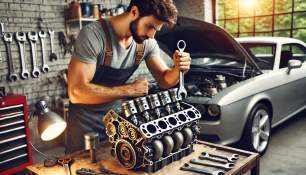 Piston rings are crucial components for engine operation, as they seal the surface between the cylinder and the piston, ensure the correct pressure in the combustion chamber, and help prevent oil from entering the combustion chamber. Over time, piston rings can wear or become damaged, causing a decrease in engine performance, increased oil consumption, and smoke. Replacing piston rings is a difficult job, but with a skilled approach and the right tools, it can be done at home.
When do you need to replace piston rings?
Worn or defective piston rings will show the following symptoms:
... More...
Piston rings are crucial components for engine operation, as they seal the surface between the cylinder and the piston, ensure the correct pressure in the combustion chamber, and help prevent oil from entering the combustion chamber. Over time, piston rings can wear or become damaged, causing a decrease in engine performance, increased oil consumption, and smoke. Replacing piston rings is a difficult job, but with a skilled approach and the right tools, it can be done at home.
When do you need to replace piston rings?
Worn or defective piston rings will show the following symptoms:
... More...
Car Alternator Belt (serpentine belt ) and Its Replacement.
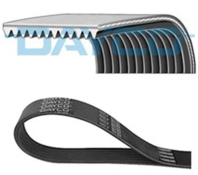 What is a Car Alternator (serpentine ) Belt?
The car alternator belt, also known as the serpentine belt or ribbed belt, is a crucial component in the engine’s power transmission system. Its function is to transfer the engine’s torque to various auxiliary components, ensuring their smooth operation. The alternator belt is a critical part of the vehicle's electrical system as it powers the alternator, which in turn charges the battery and supplies electricity to the entire vehicle.
... More...
What is a Car Alternator (serpentine ) Belt?
The car alternator belt, also known as the serpentine belt or ribbed belt, is a crucial component in the engine’s power transmission system. Its function is to transfer the engine’s torque to various auxiliary components, ensuring their smooth operation. The alternator belt is a critical part of the vehicle's electrical system as it powers the alternator, which in turn charges the battery and supplies electricity to the entire vehicle.
... More...
Car belts: The under-the-hood heroes that keep the engine running
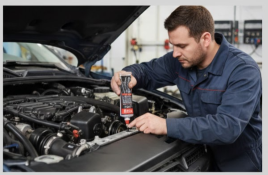
 When you open the hood of your car, you're faced with a complex maze of hoses, wires, and belts. To many car owners, these black rubber bands are just "some belts," but in reality, they play a critical role in the operation of your engine.
Without these belts, your car wouldn't run, your battery wouldn't charge, and your steering wheel would be as heavy as a rock. In this article, we'll explain the difference between the main types of belts – timing belts and V-ribbed belts – and why replacing them on time is cheaper than repairing your engine.
There are several different belts under the hood, each with its own function.
1. Timing belt – the heart of the engine
The timing belt is arguably the most important belt in your car. It's hidden under the engine covers and you don't usually see it when you open the hood.
What is its function?
The timing belt synchronizes the operation of the engine's crankshaft and camshaft. Simply put, it ensures that the engine's valves open and close at exactly the right moment as the pistons move up and down. The inside of the belt has "teeth" that mesh with the gears to prevent slipping.
The "teeth" of the timing belt are critical to maintaining accurate engine timing.
What happens if the timing belt breaks?
... More...
When you open the hood of your car, you're faced with a complex maze of hoses, wires, and belts. To many car owners, these black rubber bands are just "some belts," but in reality, they play a critical role in the operation of your engine.
Without these belts, your car wouldn't run, your battery wouldn't charge, and your steering wheel would be as heavy as a rock. In this article, we'll explain the difference between the main types of belts – timing belts and V-ribbed belts – and why replacing them on time is cheaper than repairing your engine.
There are several different belts under the hood, each with its own function.
1. Timing belt – the heart of the engine
The timing belt is arguably the most important belt in your car. It's hidden under the engine covers and you don't usually see it when you open the hood.
What is its function?
The timing belt synchronizes the operation of the engine's crankshaft and camshaft. Simply put, it ensures that the engine's valves open and close at exactly the right moment as the pistons move up and down. The inside of the belt has "teeth" that mesh with the gears to prevent slipping.
The "teeth" of the timing belt are critical to maintaining accurate engine timing.
What happens if the timing belt breaks?
... More...
Car maintenance and service intervals – a comprehensive overview
 Regular car maintenance is one of the most important factors affecting the reliability, safety and service life of a vehicle. Many problems that later end in expensive repairs start precisely with untimely maintenance . This article provides a comprehensive overview of what car maintenance needs to be done , at what intervals , and why maintenance intervals are not random numbers , but carefully set by the manufacturer.
The article is written in simple and logical language and is suitable for both the new car owner and the experienced driver who wants to maintain their vehicle more consciously.
What is car maintenance and why is it necessary?
Car maintenance means regular inspection and replacement work aimed at:
keep the car in good technical condition
prevent unexpected breakdowns
ensure safe traffic
maintain the value of the car
A car consists of hundreds of moving and wearing parts. During maintenance:
fluids are exchanged
expenses are checked
the condition of the nodes is assessed
problems are detected before they become serious
An unmaintained car doesn't suddenly break down – problems accumulate silently.
What is the maintenance interval?
A maintenance interval is a period of time or mileage specified by the manufacturer after which certain maintenance operations must be performed.
The maintenance interval can be set:
in kilometers (e.g. every 15,000 km)
time-wise (e.g. once a year)
or whichever comes first
for example: oil change every 15,000 km or 12 months .
Why can't maintenance intervals be ignored?
Maintenance intervals are not recommended “about” numbers. They are based on:
on the engine design
on the materials used
at operating temperatures
based on tests and long-term experience
Failure to observe maintenance intervals may result in:
premature engine wear
gearbox failures
uneven brake performance
larger and more expensive repairs
Regular maintenance is always cheaper than repairs.
engine oil and oil filter – the most important maintenance
the role of engine oil
engine oil:
lubricates moving parts
cools the engine
cleans from dirt
protects against corrosion
Over time, the oil loses its properties.
oil change maintenance interval
usually every 10,000–15,000 km
or once a year
more often in difficult conditions
The oil filter should always be changed together with the oil .
air, cabin and fuel filter
air filter
ensures clean air to the engine
black filter increases fuel consumption
maintenance interval:
every 15,000–30,000 km
more often in dusty environments
cabin filter
purifies the air in the car interior
affects ventilation and climate
maintenance interval:
1 time per year
even more often in allergy sufferers
fuel filter
protects injectors and fuel system
maintenance interval:
less often on gasoline engines
significantly more often in diesel engines
brakes and brake maintenance
Brakes are directly related to safety.
Brake maintenance checks include:
brake pad thickness. You can find tools for measuring pad thickness here.
brake disc condition. You can find tools for measuring brake disc thickness here.
brake hoses
brake fluid level.
brake fluid
Brake fluid absorbs moisture, which impairs braking performance.
... More...
Regular car maintenance is one of the most important factors affecting the reliability, safety and service life of a vehicle. Many problems that later end in expensive repairs start precisely with untimely maintenance . This article provides a comprehensive overview of what car maintenance needs to be done , at what intervals , and why maintenance intervals are not random numbers , but carefully set by the manufacturer.
The article is written in simple and logical language and is suitable for both the new car owner and the experienced driver who wants to maintain their vehicle more consciously.
What is car maintenance and why is it necessary?
Car maintenance means regular inspection and replacement work aimed at:
keep the car in good technical condition
prevent unexpected breakdowns
ensure safe traffic
maintain the value of the car
A car consists of hundreds of moving and wearing parts. During maintenance:
fluids are exchanged
expenses are checked
the condition of the nodes is assessed
problems are detected before they become serious
An unmaintained car doesn't suddenly break down – problems accumulate silently.
What is the maintenance interval?
A maintenance interval is a period of time or mileage specified by the manufacturer after which certain maintenance operations must be performed.
The maintenance interval can be set:
in kilometers (e.g. every 15,000 km)
time-wise (e.g. once a year)
or whichever comes first
for example: oil change every 15,000 km or 12 months .
Why can't maintenance intervals be ignored?
Maintenance intervals are not recommended “about” numbers. They are based on:
on the engine design
on the materials used
at operating temperatures
based on tests and long-term experience
Failure to observe maintenance intervals may result in:
premature engine wear
gearbox failures
uneven brake performance
larger and more expensive repairs
Regular maintenance is always cheaper than repairs.
engine oil and oil filter – the most important maintenance
the role of engine oil
engine oil:
lubricates moving parts
cools the engine
cleans from dirt
protects against corrosion
Over time, the oil loses its properties.
oil change maintenance interval
usually every 10,000–15,000 km
or once a year
more often in difficult conditions
The oil filter should always be changed together with the oil .
air, cabin and fuel filter
air filter
ensures clean air to the engine
black filter increases fuel consumption
maintenance interval:
every 15,000–30,000 km
more often in dusty environments
cabin filter
purifies the air in the car interior
affects ventilation and climate
maintenance interval:
1 time per year
even more often in allergy sufferers
fuel filter
protects injectors and fuel system
maintenance interval:
less often on gasoline engines
significantly more often in diesel engines
brakes and brake maintenance
Brakes are directly related to safety.
Brake maintenance checks include:
brake pad thickness. You can find tools for measuring pad thickness here.
brake disc condition. You can find tools for measuring brake disc thickness here.
brake hoses
brake fluid level.
brake fluid
Brake fluid absorbs moisture, which impairs braking performance.
... More...
What is the difference between a V-belt and a V-ribbed belt?
 V-belt vs. V-ribbed: what's the difference and why is it important for your car?
Introduction: The power plant under the hood that we often forget
When you turn the ignition key and the engine comes to life, a symphony of moving parts begins to play under the hood. Most car owners know that there is oil and fuel in the engine, but less often they pay attention to those black rubber "worms" that wind around various pulleys at the front of the engine. These are the accessory drive belts - critical components without which your car's modern conveniences and even basic functions would stop working in a matter of minutes.
The most common questions that car owners have when a mechanic mentions belt replacement are: "What belt do I need?" and "What's the difference between a V-belt and a V-belt?" Although they are often colloquially referred to as "fan belts" or "generator belts," technically they are two completely different designs that serve different eras and purposes in automotive history.
In this comprehensive guide, we'll break down the anatomy of a V-belt and a serpentine belt/poly-V belt, explain their differences, talk about typical problems in popular car models, and look at which manufacturers to trust.
... More...
V-belt vs. V-ribbed: what's the difference and why is it important for your car?
Introduction: The power plant under the hood that we often forget
When you turn the ignition key and the engine comes to life, a symphony of moving parts begins to play under the hood. Most car owners know that there is oil and fuel in the engine, but less often they pay attention to those black rubber "worms" that wind around various pulleys at the front of the engine. These are the accessory drive belts - critical components without which your car's modern conveniences and even basic functions would stop working in a matter of minutes.
The most common questions that car owners have when a mechanic mentions belt replacement are: "What belt do I need?" and "What's the difference between a V-belt and a V-belt?" Although they are often colloquially referred to as "fan belts" or "generator belts," technically they are two completely different designs that serve different eras and purposes in automotive history.
In this comprehensive guide, we'll break down the anatomy of a V-belt and a serpentine belt/poly-V belt, explain their differences, talk about typical problems in popular car models, and look at which manufacturers to trust.
... More...
 The data shown here, especially the complete database of car spare parts, may not be copied. It is strictly prohibited to duplicate the data and database and distribute the same, and/or instruct third parties to engage in such activities, without prior consent from TecAlliance. Any use of content in a manner not expressly authorized constitutes copyright infringement and violators will be prosecuted.