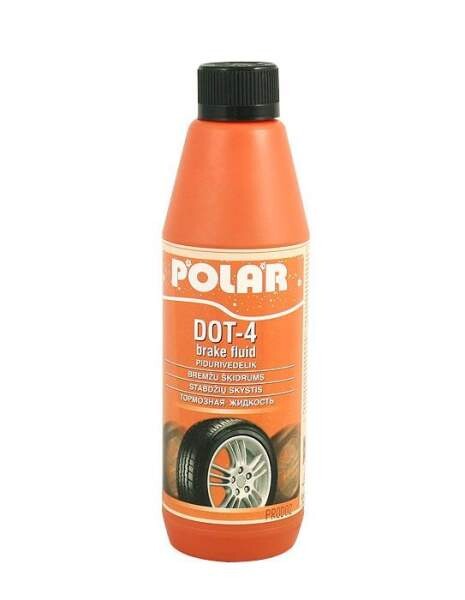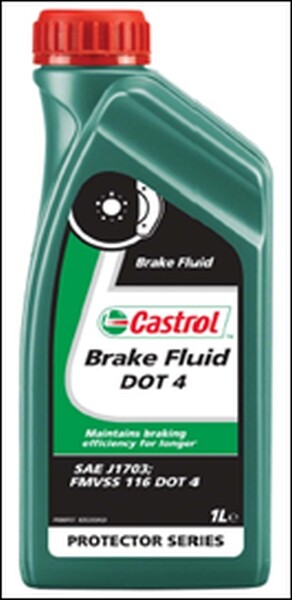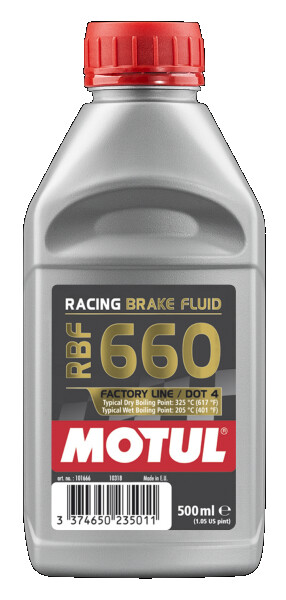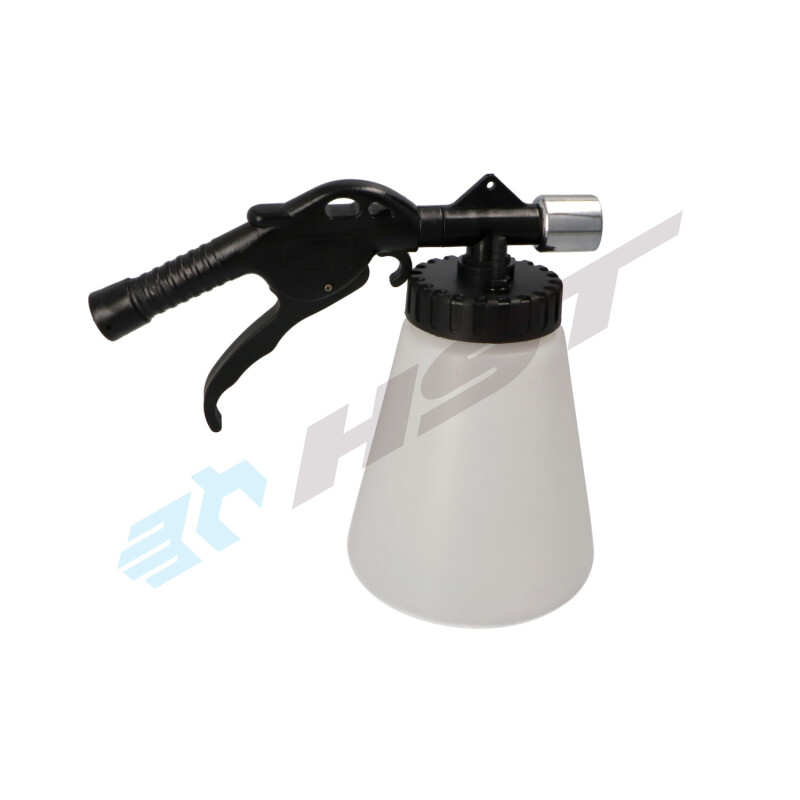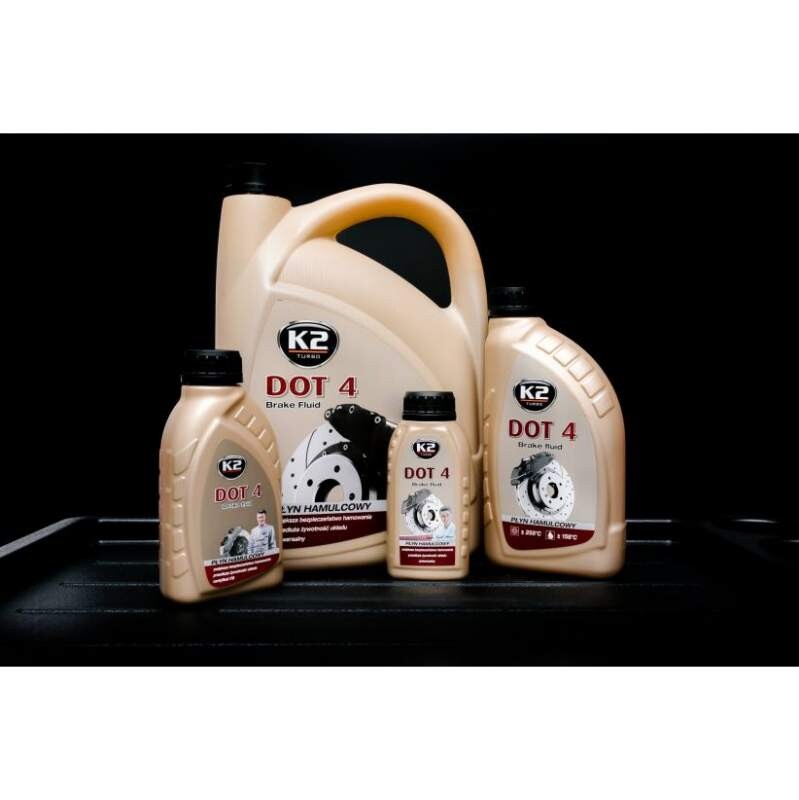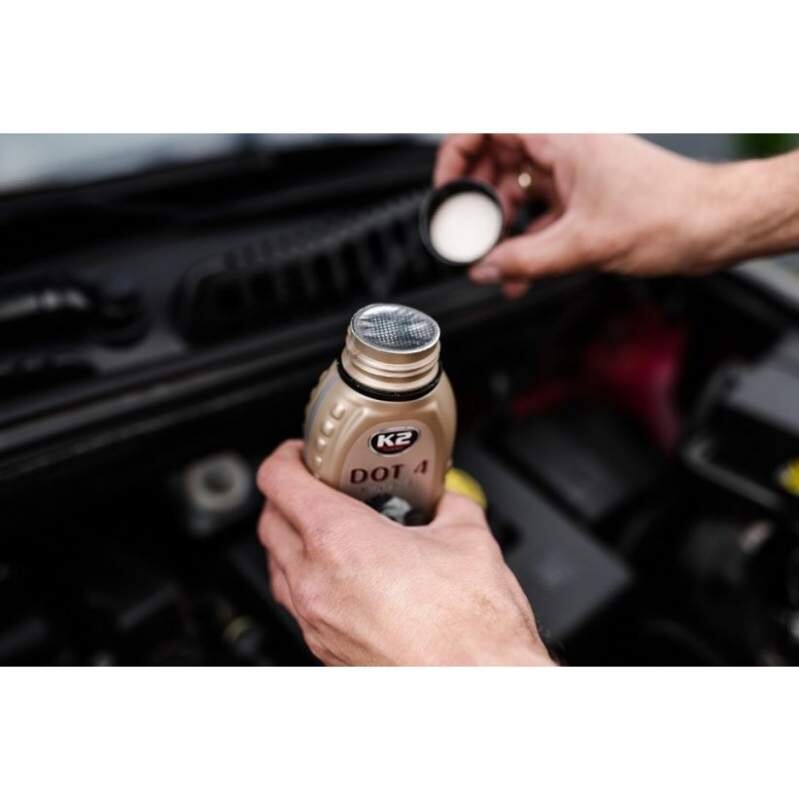
brake fluid dot5.1 textar 1.0l

EAN: 4019722416828
Delivery method

Fedex Priority
Very fast To home & office
Very fast To home & office
$19.30
Delivery date 2026-10-12
Fedex Economy
Fast delivery to home or office!
Fast delivery to home or office!
$14.80
Delivery date 2026-10-14



$22.30
Arrives in 3-4work days

$18.30
Arrives in 3-4work days



$66.20
Arrives in 3-4work days


$59.10
$62.20
-5%
Arrives in 3-4work days

$21.60
Arrives in 3-4work days


$22.30
Arrives in 3-4work days

$8.90
Arrives in 3-4work days

$26.70
Arrives in 3-4work days


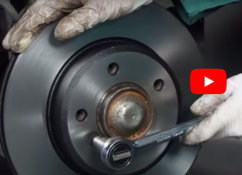
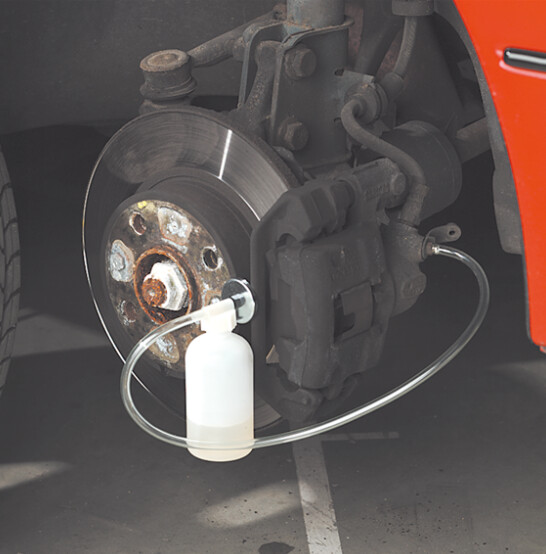
Changing the brake fluid and bleeding the brakes
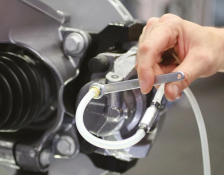 Changing the brake fluid is a very important process in brake maintenance. Brakes are essential to any car, and that makes brake fluid one of the most important components in your car. Brake fluids must resist moisture that can cause vapor lock and brake failure, protect against corrosion, and withstand high brake temperatures. From time to time, you need to change the brake fluid according to the car manufacturer's instructions.
... More...
Changing the brake fluid is a very important process in brake maintenance. Brakes are essential to any car, and that makes brake fluid one of the most important components in your car. Brake fluids must resist moisture that can cause vapor lock and brake failure, protect against corrosion, and withstand high brake temperatures. From time to time, you need to change the brake fluid according to the car manufacturer's instructions.
... More...
Flushing the car engine before changing the oil
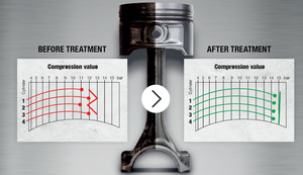 One of the most important aspects of engine maintenance is engine flushing. It keeps the engine running smoothly by removing harmful deposits from it. This, in turn, can extend the life of the engine and minimize the risk of expensive repairs. In addition, a clean engine works more efficiently, which leads to better fuel economy and a noticeable reduction in emissions. So, what is an engine flush? What are its advantages? How is this done? This short guide will answer these questions.
... More...
One of the most important aspects of engine maintenance is engine flushing. It keeps the engine running smoothly by removing harmful deposits from it. This, in turn, can extend the life of the engine and minimize the risk of expensive repairs. In addition, a clean engine works more efficiently, which leads to better fuel economy and a noticeable reduction in emissions. So, what is an engine flush? What are its advantages? How is this done? This short guide will answer these questions.
... More...
Brake pads and their purpose
 Car Brake Pads: The Most Important Safety Component of Your Vehicle
When we talk about a modern car, we often tend to admire its acceleration, horsepower, multimedia systems, or fuel efficiency. However, there is one system that is more critical than any other – the system whose sole purpose is to stop tons of moving metal, glass, and plastic. This is the braking system. And at the front line of this system, where the greatest amount of work is done and where the most heat is generated, are components that are often only palm-sized – the brake pads.
... More...
Car Brake Pads: The Most Important Safety Component of Your Vehicle
When we talk about a modern car, we often tend to admire its acceleration, horsepower, multimedia systems, or fuel efficiency. However, there is one system that is more critical than any other – the system whose sole purpose is to stop tons of moving metal, glass, and plastic. This is the braking system. And at the front line of this system, where the greatest amount of work is done and where the most heat is generated, are components that are often only palm-sized – the brake pads.
... More...
ACEA C6 - new diesel engine oil specification as of 2022a
 ACEA C6- new low SAPS (Sulphate Ash, Phosphorus and Sulphur) diesel engine oil specification as of 2022a
... More...
ACEA C6- new low SAPS (Sulphate Ash, Phosphorus and Sulphur) diesel engine oil specification as of 2022a
... More...
Car engine oil specifications
 Specifications for engine oils for VW Group cars ((Volkswagen, Audi, Seat, Skoda).
... More...
Specifications for engine oils for VW Group cars ((Volkswagen, Audi, Seat, Skoda).
... More...
ILSAC oil specifications
 ILSAC, the International Lubricant Standardization and Approval Committee, was formed in 1992 by representatives of the AAMA (American Automobile Manufacturers Association, DaimlerChrysler Corporation, Ford Motor Company, and General Motors Corporation) and JAMA (Japan Automobile Manufacturers Association) to define lubricant licensing and specification parameters. Together with the tripartite system (API, SAE, and ASTM), EOLCS, the Engine Oil Licensing and Certification System, was formed. ILSAC oils often carry the API Service Symbol (donut), including the Energy Conserving designation and/or API Certification (Starburst).
... More...
ILSAC, the International Lubricant Standardization and Approval Committee, was formed in 1992 by representatives of the AAMA (American Automobile Manufacturers Association, DaimlerChrysler Corporation, Ford Motor Company, and General Motors Corporation) and JAMA (Japan Automobile Manufacturers Association) to define lubricant licensing and specification parameters. Together with the tripartite system (API, SAE, and ASTM), EOLCS, the Engine Oil Licensing and Certification System, was formed. ILSAC oils often carry the API Service Symbol (donut), including the Energy Conserving designation and/or API Certification (Starburst).
... More...

Peugeot-Citroën PSA oil specifications
 Engine Oils
The French PSA Group issued a set of oil specifications in 2009 to better control the engine oils used in their vehicles. All specifications are based on ACEA specifications, but also require additional conditions to be met.
... More...
Engine Oils
The French PSA Group issued a set of oil specifications in 2009 to better control the engine oils used in their vehicles. All specifications are based on ACEA specifications, but also require additional conditions to be met.
... More...
Mercedes-Benz engine oil specifications
 In this article, you will find information about Mercedes-Benz engine oil specifications.
... More...
In this article, you will find information about Mercedes-Benz engine oil specifications.
... More...
General Motors oil specifications
 GM Dexos Engine Oil Specifications
Dexos is an engine oil quality standard developed by General Motors (GM) that defines the technical requirements an oil must meet to ensure improved engine protection, cleanliness, and fuel efficiency.
Engine oils approved under the General Motors Dexos specification are recommended for use in all GM vehicles, except those equipped with Duramax diesel engines, which require oil meeting the API CJ-4 quality standard.
... More...
GM Dexos Engine Oil Specifications
Dexos is an engine oil quality standard developed by General Motors (GM) that defines the technical requirements an oil must meet to ensure improved engine protection, cleanliness, and fuel efficiency.
Engine oils approved under the General Motors Dexos specification are recommended for use in all GM vehicles, except those equipped with Duramax diesel engines, which require oil meeting the API CJ-4 quality standard.
... More...
Explanations of ACEA oil classes
 ACEA - European Automobile Manufacturers' Association (French: Association des Constructeurs Européens d'Automobiles) is the main lobbying and standards group for the European Union's automotive industry. Its members include: [1] BMW, DAF, Daimler AG, Fiat Chrysler Automobiles, Ford Europe, Ferrari, Honda, Hyundai Europe, Iveco, Jaguar Land Rover, Opel Group, PSA Peugeot Citroën, Renault, Toyota Europe, Volkswagen Group, Volvo Cars and Volvo Group.
... More...
ACEA - European Automobile Manufacturers' Association (French: Association des Constructeurs Européens d'Automobiles) is the main lobbying and standards group for the European Union's automotive industry. Its members include: [1] BMW, DAF, Daimler AG, Fiat Chrysler Automobiles, Ford Europe, Ferrari, Honda, Hyundai Europe, Iveco, Jaguar Land Rover, Opel Group, PSA Peugeot Citroën, Renault, Toyota Europe, Volkswagen Group, Volvo Cars and Volvo Group.
... More...
Volkswagen Longlife - oils with long oil change intervals
 Volkswagen LongLife long oil change interval maintenance modes
... More...
Volkswagen LongLife long oil change interval maintenance modes
... More...
Car oiling system: Overview, functions and maintenance
 A car's lubrication system is one of the most important components of an engine, ensuring that it runs smoothly and efficiently. The engine's lubrication system helps keep moving parts lubricated, preventing wear and overheating. Regular maintenance and understanding of this system is essential to prevent serious breakdowns and extend the life of your engine.
Functions of the car lubrication system
Lubrication: The moving parts of an engine, such as pistons, camshafts, and crankshafts, require constant lubrication to reduce friction and wear.
... More...
A car's lubrication system is one of the most important components of an engine, ensuring that it runs smoothly and efficiently. The engine's lubrication system helps keep moving parts lubricated, preventing wear and overheating. Regular maintenance and understanding of this system is essential to prevent serious breakdowns and extend the life of your engine.
Functions of the car lubrication system
Lubrication: The moving parts of an engine, such as pistons, camshafts, and crankshafts, require constant lubrication to reduce friction and wear.
... More...
Car brake system and brake system maintenance: Ensuring safety on every ride
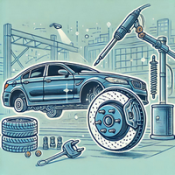 The brake system is one of the most important components in any vehicle. It is responsible for stopping the car from moving and plays a crucial role in the safety of the vehicle. Ensuring the proper functioning of the brake system and regular maintenance are necessary at all times to prevent accidents and ensure the optimal functioning of the vehicle. In this article, we will look at the main components of the car's brake system, how it works and the importance of maintenance.
Car brake system: How does it work?
... More...
The brake system is one of the most important components in any vehicle. It is responsible for stopping the car from moving and plays a crucial role in the safety of the vehicle. Ensuring the proper functioning of the brake system and regular maintenance are necessary at all times to prevent accidents and ensure the optimal functioning of the vehicle. In this article, we will look at the main components of the car's brake system, how it works and the importance of maintenance.
Car brake system: How does it work?
... More...


Specifications of the most common car automatic transmission oils (ATF)
 What is ATF oil? ATF (Automatic Transmission Fluid) is a special oil used in automatic transmissions to ensure smooth and precise gear changes, lubricate moving components and protect the transmission from wear and overheating. Unlike engine oil, ATF oil must withstand a wide range of complex operating conditions – it must have a certain coefficient of friction, thermally stable viscosity and high heat resistance so that the transmission can operate accurately, quickly and without failures.
... More...
What is ATF oil? ATF (Automatic Transmission Fluid) is a special oil used in automatic transmissions to ensure smooth and precise gear changes, lubricate moving components and protect the transmission from wear and overheating. Unlike engine oil, ATF oil must withstand a wide range of complex operating conditions – it must have a certain coefficient of friction, thermally stable viscosity and high heat resistance so that the transmission can operate accurately, quickly and without failures.
... More...
Changing car engine oil at home: step-by-step guide and tips for beginners
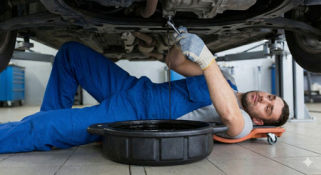 Changing your engine oil is one of the most important and frequent maintenance tasks your car needs. While many car owners prefer to take it to a service center, changing your oil at home is actually a do-it-yourself task that almost anyone can do. Not only will it save you money, it will also help you get to know your vehicle better.
In this guide, we'll explain how to choose the right oil, what tools you need, and how to carry out the change process safely.
Why is regular oil changes critical?
The function of engine oil is to reduce friction between moving parts, cool the engine and collect dirt. Over time, the properties of the oil deteriorate:
lubrication capacity decreases: the risk of engine wear increases.
Dirt accumulates: old oil contains soot and metal particles.
fuel consumption increases: old and thickened oil increases resistance.
The general recommendation is to change the oil every 10,000 - 15,000 km or once a year, depending on the car manufacturer's instructions.
Preparation: What do you need?
Before you start working, make sure you have everything you need. Good preparation is half the battle.
... More...
Changing your engine oil is one of the most important and frequent maintenance tasks your car needs. While many car owners prefer to take it to a service center, changing your oil at home is actually a do-it-yourself task that almost anyone can do. Not only will it save you money, it will also help you get to know your vehicle better.
In this guide, we'll explain how to choose the right oil, what tools you need, and how to carry out the change process safely.
Why is regular oil changes critical?
The function of engine oil is to reduce friction between moving parts, cool the engine and collect dirt. Over time, the properties of the oil deteriorate:
lubrication capacity decreases: the risk of engine wear increases.
Dirt accumulates: old oil contains soot and metal particles.
fuel consumption increases: old and thickened oil increases resistance.
The general recommendation is to change the oil every 10,000 - 15,000 km or once a year, depending on the car manufacturer's instructions.
Preparation: What do you need?
Before you start working, make sure you have everything you need. Good preparation is half the battle.
... More...
Car oil filter: the heart of your engine and the secret to longevity
 Car oil filter: a small detail on which the life and health of the engine depends
There is an old adage in the automotive world: oil is the blood of the engine and the oil filter is its kidneys. Although car owners often pay great attention to the brand and viscosity of the oil, the oil filter undeservedly takes a back seat. Yet this fist-sized component is the only barrier that protects the engine's high-precision sliding surfaces from metal shavings, soot and abrasive particles. A poor-quality or incorrectly selected filter can nullify the properties of even the most expensive synthetic oil in the world in just a few thousand kilometers.
... More...
Car oil filter: a small detail on which the life and health of the engine depends
There is an old adage in the automotive world: oil is the blood of the engine and the oil filter is its kidneys. Although car owners often pay great attention to the brand and viscosity of the oil, the oil filter undeservedly takes a back seat. Yet this fist-sized component is the only barrier that protects the engine's high-precision sliding surfaces from metal shavings, soot and abrasive particles. A poor-quality or incorrectly selected filter can nullify the properties of even the most expensive synthetic oil in the world in just a few thousand kilometers.
... More...
How do you know if your car's brake pads are worn?
 How to know if your car's brake pads are worn? A comprehensive guide for car owners
The technical condition of your car is directly related to your own safety, the safety of your passengers and all other road users. One of the most critical components in any vehicle is its braking system. Imagine a situation where you have to brake suddenly at highway speed because of a wild animal that suddenly ran into the road or a vehicle that suddenly stopped in front of you. In that split second, the entire responsibility for stopping the car falls on your braking system, the front line of which is the brake pads and brake discs.
Brake pads are consumable parts. This means that their wear is not a fault with the car, but a normal physical process that occurs with everyday driving. Every time you press the brake pedal, the brake pads are pressed with enormous force against the rotating brake discs. In this process, the car's kinetic energy, or motion energy, is converted into heat energy through friction, which ultimately brings the vehicle to a stop. This constant friction inevitably wears down the surface of the pads.
... More...
How to know if your car's brake pads are worn? A comprehensive guide for car owners
The technical condition of your car is directly related to your own safety, the safety of your passengers and all other road users. One of the most critical components in any vehicle is its braking system. Imagine a situation where you have to brake suddenly at highway speed because of a wild animal that suddenly ran into the road or a vehicle that suddenly stopped in front of you. In that split second, the entire responsibility for stopping the car falls on your braking system, the front line of which is the brake pads and brake discs.
Brake pads are consumable parts. This means that their wear is not a fault with the car, but a normal physical process that occurs with everyday driving. Every time you press the brake pedal, the brake pads are pressed with enormous force against the rotating brake discs. In this process, the car's kinetic energy, or motion energy, is converted into heat energy through friction, which ultimately brings the vehicle to a stop. This constant friction inevitably wears down the surface of the pads.
... More...
 The data shown here, especially the complete database of car spare parts, may not be copied. It is strictly prohibited to duplicate the data and database and distribute the same, and/or instruct third parties to engage in such activities, without prior consent from TecAlliance. Any use of content in a manner not expressly authorized constitutes copyright infringement and violators will be prosecuted.